Embark on a fascinating journey into the world of American Sign Language and discover the art of communicating time. This comprehensive guide will illuminate the fundamental principles, specific signs, and nuanced expressions that allow for clear and accurate temporal communication in ASL. Prepare to unlock a new dimension of understanding as we explore how the hands and body paint a picture of moments, days, and the flow of time itself.
From grasping the abstract concept of a timeline to mastering the precise signs for hours, minutes, and even future events, this exploration delves into the intricacies of ASL temporal expressions. We will cover the building blocks of signing numbers, differentiating AM and PM, and navigating the days of the week and months of the year. Furthermore, we will uncover how ASL visually represents past, present, and future, along with common time periods and frequencies, offering practical insights and engaging practice opportunities.
Introduction to ASL Time Concepts
American Sign Language (ASL) possesses a unique and visually intuitive system for representing time. Unlike spoken languages that rely heavily on sequential words and grammatical structures, ASL utilizes spatial relationships, directional movements, and specific handshapes to convey temporal information. Understanding these fundamental principles is key to accurately interpreting and expressing time in ASL.At its core, ASL conceptualizes time as a linear progression, often visualized as a timeline.
This timeline is typically oriented in space relative to the signer. The past is generally located behind the signer, the present is in front, and the future extends forward. This spatial metaphor is a foundational element in how ASL signs for time are formed and understood.
The ASL Timeline and Directional Movements
The ASL timeline is not a static concept but is actively engaged through specific movements and handshapes. The direction and location of these movements convey the temporal relationship of an event.The basic directional movements for expressing time in ASL involve:
- Movement from back to front: This typically signifies the progression from the past into the present or future. For instance, signs related to “before” or “past” often involve a backward movement.
- Movement from front to back: This can indicate looking back at past events or recalling memories.
- Movement from left to right: This can represent a linear progression of events within a day or a sequence of actions.
- Movement from right to left: This might be used to denote a reversal of events or a return to a previous state.
Common handshapes used in ASL time signs include the “1” handshape (index finger extended), the “B” handshape (flat palm with fingers together), and the “Y” handshape (thumb and pinky extended). The specific orientation and movement of these handshapes in conjunction with their location on the timeline are crucial for meaning.
Abstract vs. Concrete Representations of Time
ASL differentiates between abstract and concrete representations of time, offering nuanced ways to discuss temporal concepts.Concrete representations of time in ASL refer to specific, measurable units or events. These are often signed using clear, unambiguous movements and locations on the timeline. Examples include:
- Days: The sign for “day” involves a flat hand moving downwards, often indicating the sun setting. Specific days of the week are often signed with a circular motion of the index finger.
- Hours: The sign for “hour” typically involves the “1” handshape tapping against the palm of the other hand.
- Minutes: The sign for “minute” is similar to “hour” but often with a smaller, quicker tapping motion.
- Specific Dates: These are usually signed by combining signs for month, day, and year, with the month often being signed by spelling out its first few letters.
Abstract representations of time, on the other hand, deal with broader concepts of duration, frequency, or temporal relationships that are less tied to precise measurements. These signs often rely more on the spatial timeline and subtle variations in movement. Examples include:
- “Soon”: This sign might involve a quick, forward movement of the hand, indicating something is approaching.
- “Later”: This sign often involves a backward movement, indicating a delay.
- “Always”: This sign typically involves a continuous circular motion, signifying unending duration.
- “Never”: This sign often involves a sharp, dismissive movement away from the body, indicating the absence of something occurring.
The ability to distinguish and utilize both abstract and concrete time signs allows for a rich and detailed expression of temporal concepts in ASL.
Signing Specific Times (Hours and Minutes)
Now that we have a foundational understanding of ASL time concepts, let’s delve into the practical application of signing specific times, focusing on both hours and minutes. This section will equip you with the ability to articulate precise moments of the day using American Sign Language.
ASL Numbers for Hours 1 Through 12
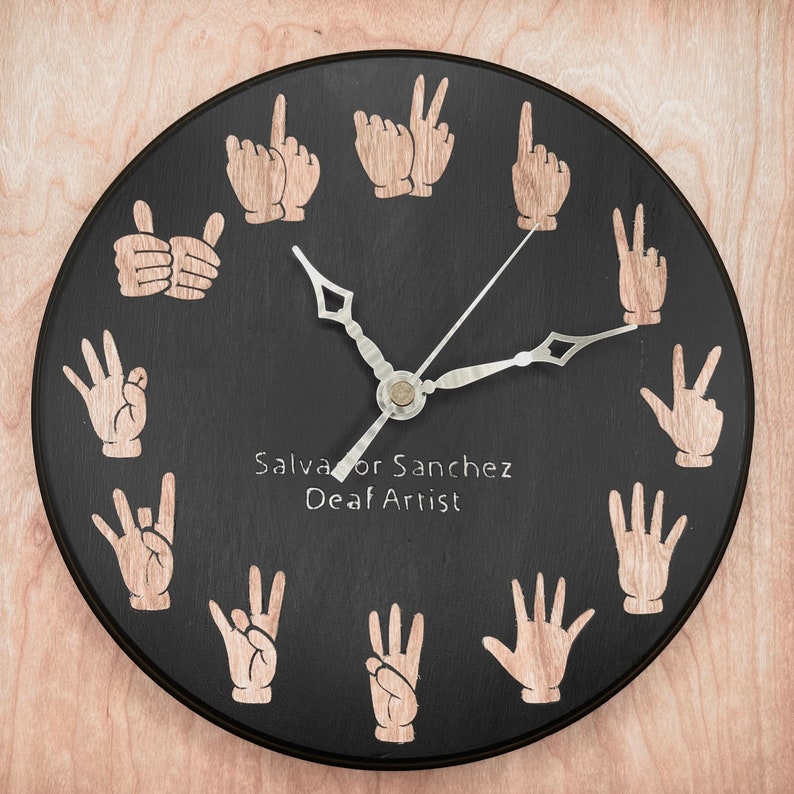
The ASL signs for numbers are fundamental to telling time. For the hours, we utilize the standard ASL number signs from 1 to 12. It’s important to remember that the orientation of the hand and the movement can differentiate between certain numbers. For example, the sign for ‘1’ is a single extended finger, while ‘2’ uses two extended fingers. The numbers 1 through 9 are formed by showing the corresponding number of fingers, with specific handshapes for 6, 7, 8, and 9.
For numbers 10, 11, and 12, distinct handshapes are used.
Here are the ASL signs for the numbers 1 through 12, which are used for hours:
- 1: Extended index finger, palm facing sideways.
- 2: Extended index and middle fingers, palm facing sideways.
- 3: Extended thumb, index, and middle fingers, palm facing sideways.
- 4: Extended index, middle, ring, and pinky fingers, thumb tucked in, palm facing sideways.
- 5: All fingers extended, thumb out, palm facing sideways.
- 6: Thumb and pinky finger extended, other fingers curled, palm facing sideways.
- 7: Thumb and ring finger extended, other fingers curled, palm facing sideways.
- 8: Thumb and middle finger extended, other fingers curled, palm facing sideways.
- 9: Thumb and index finger extended, other fingers curled, palm facing sideways.
- 10: Extended index finger and thumb forming an ‘L’ shape, palm facing sideways.
- 11: Extended index and middle fingers, with the index finger slightly bent, palm facing sideways.
- 12: Extended index finger and thumb forming a ‘1’ shape, with the index finger then moving to a ‘2’ shape (often a quick flick).
ASL Signs for Common Minute Increments
When expressing minutes in ASL, we often use specific signs for common increments. This makes the signing more fluid and efficient. While you can sign out each individual minute, using these established signs for groups of five or thirty minutes is standard practice.
The following are commonly used ASL signs for minute increments:
- 5 Minutes: The sign for the number ‘5’, followed by a quick, circular wrist movement.
- 10 Minutes: The sign for the number ’10’, with a slight flick of the wrist.
- 15 Minutes: The sign for the number ’15’ (often a ‘1’ followed by a ‘5’ with a wrist flick), or the sign for ’10’ followed by the sign for ‘5’.
- 30 Minutes: The sign for the number ’30’ (often a ‘3’ with a wrist flick), or the sign for ‘5’ followed by a sign indicating ‘half’ or ‘part’. A common way is to sign ‘5’ and then a flat hand moving horizontally across the forearm.
- 45 Minutes: This is typically signed as the sign for ’40’ (often a ‘4’ with a wrist flick) followed by the sign for ‘5’, or by signing ’15’ minutes before the next hour.
Combining Hour and Minute Signs for Specific Times
To express a specific time, you combine the ASL sign for the hour with the ASL sign for the minutes. The general structure is to sign the hour first, followed by the minutes. For times that are exactly on the hour (e.g., 3:00), you simply sign the hour number. For times with minutes, you sign the hour number and then the appropriate minute sign.
For times that are “half past” an hour (e.g., 3:30), you can sign the hour and then the sign for “half,” or sign the hour and then the sign for “30 minutes.”
It’s also important to note that for times like 3:15, you can sign ‘3’ and then ’15’, or sign ‘3’ and then sign ‘quarter’ (which is a specific ASL sign for a quarter of an hour).
Here is how specific times are signed in ASL, combining the hour and minute signs:
| Specific Time | ASL Sign Sequence |
|---|---|
| 1:00 | Sign for ‘1’ |
| 3:00 | Sign for ‘3’ |
| 5:00 | Sign for ‘5’ |
| 9:00 | Sign for ‘9’ |
| 12:00 | Sign for ’12’ |
| 1:05 | Sign for ‘1’, then sign for ‘5’ (with wrist movement) |
| 2:10 | Sign for ‘2’, then sign for ’10’ (with wrist flick) |
| 3:15 | Sign for ‘3’, then sign for ’15’ (or sign for ‘quarter’) |
| 4:30 | Sign for ‘4’, then sign for ’30’ (or sign for ‘half’) |
| 5:45 | Sign for ‘5’, then sign for ’45’ (or sign for ’15’ before the next hour, e.g., ’15’ minutes until ‘6’) |
| 7:20 | Sign for ‘7’, then sign for ’20’ (sign for ‘2’ with wrist movement) |
| 10:50 | Sign for ’10’, then sign for ’50’ (sign for ‘5’ with wrist movement, repeated twice or a specific sign for 50) |
When signing times, especially those involving minutes, context is key. For instance, to express “quarter past three,” you might sign ‘3’ followed by the ASL sign for ‘quarter’. Similarly, for “half past four,” you would sign ‘4’ followed by the ASL sign for ‘half’. This system allows for clear and concise communication of specific times within the Deaf community.
Expressing AM and PM in ASL
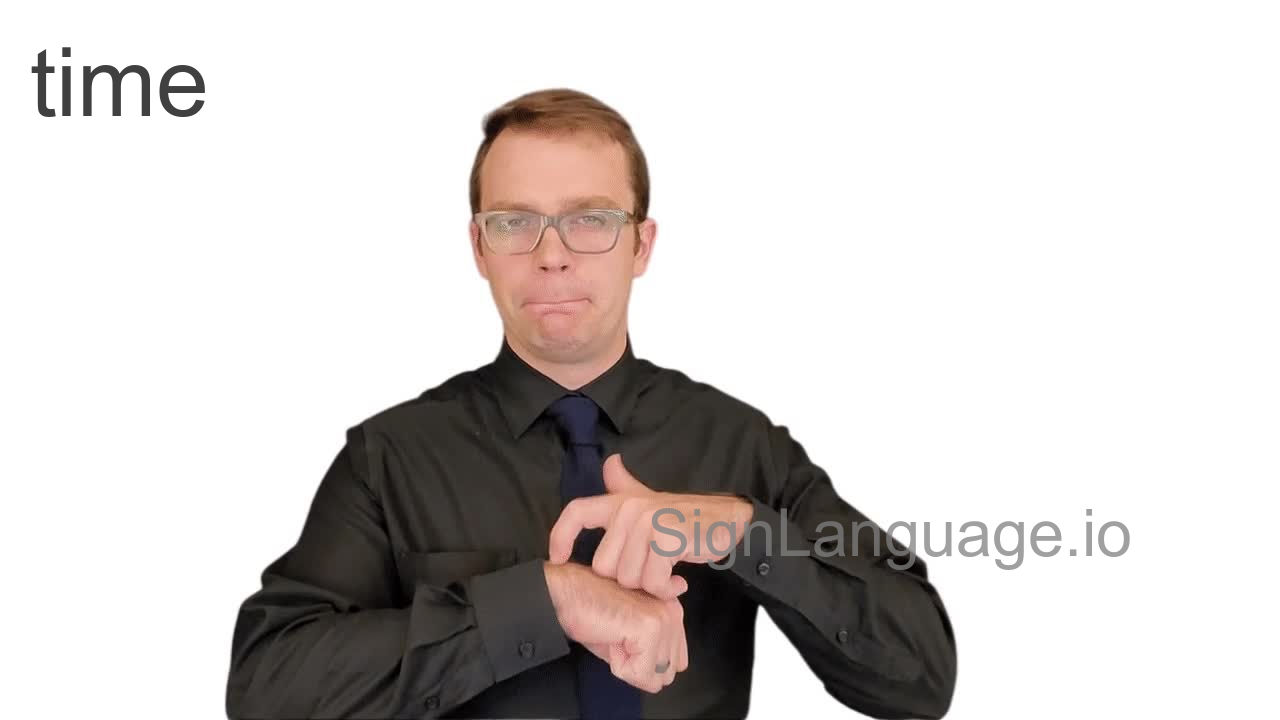
Now that you understand how to sign specific times, let’s explore how to clearly differentiate between morning (AM) and afternoon/evening (PM) in American Sign Language. While context often provides clues, ASL has specific signs to ensure clarity.
ASL Signs for AM and PM
The ASL signs for AM and PM are straightforward and visually represent the position of the sun or the general time of day. These signs are crucial for accurate communication, especially when the context might not be immediately obvious.
- AM (Morning): This sign is typically made by bringing your non-dominant hand in front of you, palm facing up, as if holding a flat surface. Your dominant hand then comes up from below the non-dominant hand, fingers pointing upwards, and moves in a circular motion upwards, mimicking the sun rising. The movement is generally from lower left to upper right (for right-handed signers).
- PM (Afternoon/Evening): This sign is also made with your non-dominant hand held flat, palm up. Your dominant hand comes down from above the non-dominant hand, fingers pointing downwards, and moves in a downward arc, representing the sun setting or being in the lower part of the sky. The movement is generally from upper left to lower right (for right-handed signers).
Contextual Cues for AM and PM
In many everyday conversations, the explicit signs for AM and PM might not be necessary. The surrounding conversation, the activity being discussed, or common knowledge about daily routines can often imply the time of day. For instance, if you’re talking about breakfast, it’s understood to be in the morning. Similarly, discussing dinner usually implies the evening. However, for precise scheduling or when ambiguity could arise, using the specific signs is recommended.
Context is a powerful tool in ASL, often reducing the need for explicit signs. However, for clarity in scheduling and important communications, the signs for AM and PM are invaluable.
Example Sentences with AM/PM Distinctions
To illustrate how these signs are used in practice, consider the following example sentences. Remember to combine the signed time (e.g., “THREE O’CLOCK”) with the appropriate AM or PM sign.
Here are some common scenarios demonstrating the use of AM and PM signs:
- “I have a doctor’s appointment at 9 AM.”
- Sign: NINE O’CLOCK (with the AM sign)
- “The movie starts at 7 PM.”
- Sign: SEVEN O’CLOCK (with the PM sign)
- “Let’s meet for coffee at 10 AM.”
- Sign: TEN O’CLOCK (with the AM sign)
- “The store closes at 6 PM.”
- Sign: SIX O’CLOCK (with the PM sign)
- “My alarm goes off at 6 AM.”
- Sign: SIX O’CLOCK (with the AM sign)
- “We will have dinner around 8 PM.”
- Sign: EIGHT O’CLOCK (with the PM sign)
Signing Days of the Week and Months
Understanding how to sign days of the week and months is fundamental for discussing schedules, appointments, and historical events in ASL. This section will guide you through the specific signs for each day and month, as well as how to effectively combine them with other time-related signs to express complete dates.Knowing these signs allows for clear and concise communication about when events occur.
We will cover the individual signs for each day and month, followed by strategies for signing full dates, including the year.
ASL Signs for Days of the Week
Each day of the week has a distinct sign in American Sign Language. These signs are generally formed by using specific handshapes and movements, often related to the English spelling of the day or a concept associated with it. Consistent practice will help you become fluent in signing these common temporal markers.Here are the ASL signs for the days of the week:
- Sunday: The dominant hand forms a “U” shape and moves downwards in a circular motion, starting from the forehead.
- Monday: The dominant hand forms an “M” shape and moves horizontally across the forehead.
- Tuesday: The dominant hand forms a “T” shape and moves horizontally across the forehead.
- Wednesday: The dominant hand forms a “W” shape and moves horizontally across the forehead.
- Thursday: The dominant hand forms a “Th” shape (index finger and thumb extended, other fingers closed) and moves horizontally across the forehead.
- Friday: The dominant hand forms an “F” shape and moves horizontally across the forehead.
- Saturday: The dominant hand forms an “S” shape and moves horizontally across the forehead.
It is important to note that the handshape for each day from Monday to Saturday is the initial letter of the English word for that day, and the movement across the forehead signifies the progression of the week.
ASL Signs for Months of the Year
Similar to the days of the week, each month of the year has its own unique sign in ASL. These signs often incorporate the initial letter of the month’s name. Mastering these signs is crucial for discussing events that span longer periods.Below are the ASL signs for the months of the year:
- January: The dominant hand forms a “J” shape and moves in a downward arc.
- February: The dominant hand forms an “F” shape and moves in a downward arc.
- March: The dominant hand forms an “M” shape and moves in a downward arc.
- April: The dominant hand forms an “A” shape and moves in a downward arc.
- May: The dominant hand forms an “M” shape and moves in a downward arc, often with a slightly different handshape than March.
- June: The dominant hand forms a “J” shape and moves in a downward arc, often with a slightly different handshape than January.
- July: The dominant hand forms a “J” shape and moves in a downward arc, often with a slightly different handshape than January and June.
- August: The dominant hand forms an “A” shape and moves in a downward arc, often with a slightly different handshape than April.
- September: The dominant hand forms an “S” shape and moves in a downward arc.
- October: The dominant hand forms an “O” shape and moves in a downward arc.
- November: The dominant hand forms an “N” shape and moves in a downward arc.
- December: The dominant hand forms a “D” shape and moves in a downward arc.
The common downward arc movement for the months often signifies the progression through the calendar year. The specific handshape for each month is typically the initial letter of its English name.
Signing Dates in ASL
To express a full date in ASL, you typically sign the day of the week, followed by the numerical day, then the month, and finally the year. The year is signed using the ASL number signs for the individual digits or, for years in the 2000s, by signing “20” followed by the last two digits.Here’s the standard order for signing dates:
- Sign the day of the week.
- Sign the numerical day (using ASL number signs).
- Sign the month.
- Sign the year (e.g., for 2023, sign “20” then “2” then “3”).
For example, to sign “Monday, October 23, 2023,” you would sign MONDAY, then the number sign for 23, then OCTOBER, and finally the number signs for 20, 2, and 3.
ASL Signs for Days and Months: A Quick Reference
This table provides a visual aid for recalling the signs for the days of the week and months of the year.
| Day/Month | ASL Sign Description |
|---|---|
| Sunday | “U” handshape, downward circular motion from forehead. |
| Monday | “M” handshape, horizontal movement across forehead. |
| Tuesday | “T” handshape, horizontal movement across forehead. |
| Wednesday | “W” handshape, horizontal movement across forehead. |
| Thursday | “Th” handshape, horizontal movement across forehead. |
| Friday | “F” handshape, horizontal movement across forehead. |
| Saturday | “S” handshape, horizontal movement across forehead. |
| January | “J” handshape, downward arc. |
| February | “F” handshape, downward arc. |
| March | “M” handshape, downward arc. |
| April | “A” handshape, downward arc. |
| May | “M” handshape, downward arc. |
| June | “J” handshape, downward arc. |
| July | “J” handshape, downward arc. |
| August | “A” handshape, downward arc. |
| September | “S” handshape, downward arc. |
| October | “O” handshape, downward arc. |
| November | “N” handshape, downward arc. |
| December | “D” handshape, downward arc. |
Indicating Past, Present, and Future

Understanding how to express time in American Sign Language (ASL) extends beyond specific times and dates to encompass the broader concepts of past, present, and future. ASL utilizes distinct grammatical structures, specific signs, and nuanced movements to convey these temporal distinctions, allowing for clear and effective communication about when events occurred, are occurring, or will occur.ASL grammar incorporates several methods to indicate the temporal frame of an action or event.
This includes the use of temporal adverbs, verb modifications, and the spatial arrangement of signs within the signing space. These elements work together to create a rich and dynamic way of expressing time, similar to how tenses function in spoken languages.
ASL Grammatical Structures for Temporal Tenses
ASL does not rely on verb conjugations in the same way that English does. Instead, it employs a combination of temporal adverbs, verb modifications, and spatial grammar to indicate past, present, and future. The position of signs within the signing space, particularly the area around the signer’s body, plays a crucial role. Generally, the past is indicated behind the signer, the present is at the signer’s location, and the future is in front of the signer.
Temporal Adverbs: Directional Movements and Facial Expressions
Temporal adverbs are essential for specifying when an event took place or will take place. These signs often involve specific directional movements and are accompanied by characteristic facial expressions that reinforce the temporal context.Here are some common temporal adverbs and their associated features:
- Yesterday: The sign for “yesterday” typically involves touching the cheek with the back of the dominant hand, moving it slightly backward. The facial expression is often neutral or slightly reflective.
- Tomorrow: The sign for “tomorrow” involves touching the forehead with the fingertips of the dominant hand and moving it forward. The facial expression is usually neutral or anticipatory.
- Soon: The sign for “soon” can be depicted with the dominant hand’s flat palm moving from the non-dominant side of the body towards the dominant side, often with a quick, forward motion. Facial expressions can convey a sense of immediacy.
- Last (as in last week, last month): This often involves a specific sign for “last” followed by the sign for the time period. The “last” sign might involve a backward movement or a downward flick of the wrist.
- Next (as in next week, next month): Similar to “last,” this uses a specific sign for “next” followed by the time period. The “next” sign often involves a forward or upward movement.
- This (as in this week, this month): The sign for “this” is often indicated by pointing to the current time frame or using a sign that denotes proximity.
Comparing Signs for “Last Week,” “Next Week,” and “This Week”
These signs build upon the general concepts of past, present, and future, applying them to specific weekly intervals. The distinctions are made through the combination of the temporal adverb and the sign for “week.”
- Last Week: This is typically signed by first signing “LAST” (often with a backward motion or flick) followed by the sign for “WEEK.” The overall movement and context will clearly indicate a past period.
- Next Week: This is signed by first signing “NEXT” (often with a forward motion) followed by the sign for “WEEK.” The forward movement of the “NEXT” sign clearly situates the event in the future.
- This Week: This is signed by first signing “THIS” (which might involve pointing to the current week or a sign indicating proximity) followed by the sign for “WEEK.” The sign for “THIS” establishes the current temporal frame.
Verb Modifications for Indicating Time Frame
While ASL primarily uses temporal adverbs and spatial grammar, verb modifications can also subtly indicate the time frame of an action. These modifications often involve changes in the speed, repetition, or intensity of the sign.Here’s how verb modifications can be used:
- Completed Actions (Past): For actions that are completed, the sign might be executed with a more definitive, often backward, movement, or with a slight pause at the end of the sign to signify completion. For example, a sign like “FINISH” might be signed with a more abrupt, final motion to emphasize it happened in the past.
- Ongoing Actions (Present): Ongoing actions are often represented by repeating the sign or using a continuous, fluid motion. This conveys that the action is happening now and is in progress. For instance, the sign for “STUDY” might be repeated to indicate “studying right now.”
- Future Actions: While future actions are largely indicated by temporal adverbs and spatial placement, some verb modifications can add emphasis. For example, a sign might be signed with a more energetic or forward-looking motion to suggest it is planned or anticipated.
In ASL, the timeline is often visualized as a line extending from behind the signer (past) through the signer (present) to in front of the signer (future).
ASL Signs for Time Periods and Frequencies
Understanding how to express different durations and how often events occur is fundamental to conveying a complete picture of time in ASL. This section delves into the signs for common time periods and the frequencies with which actions happen, enriching your ASL vocabulary.This part of our ASL time discussion focuses on signs that denote broader segments of the day and common patterns of recurrence.
These signs are essential for contextualizing events and discussions within a general timeframe or a regular schedule.
ASL Signs for Daily Time Periods
The ASL signs for “morning,” “afternoon,” “evening,” and “night” are visually distinct and commonly used to delineate parts of the day. Mastering these will allow for more natural and fluid conversations about daily routines and events.The sign for MORNING is typically formed by touching the forehead with the fingertips of a flat hand, then moving the hand outward and downward.
The sign for AFTERNOON often involves a similar handshape near the forehead, but the movement is usually horizontal. For EVENING, the sign might involve bringing the dominant hand down in front of the body, representing the setting sun. NIGHT is frequently signed by forming a C-shape with one hand and bringing it down to touch the palm of the other flat hand, signifying darkness.
ASL Signs for Common Frequencies
Expressing how often something occurs is crucial for planning and discussing habits. ASL offers specific signs for common frequencies, allowing for clear communication about regularity.To indicate EVERY DAY, one might sign DAY and then repeat the motion or use a circling motion with the hand. The sign for ONCE A WEEK typically involves signing WEEK and then indicating the number “one” with a specific handshape.
The sign for OFTEN can be depicted with a repeated, rapid movement of the hand, suggesting numerous occurrences.
Expressing “Long Time Ago” and “In the Future”
Communicating about events that happened in the distant past or will occur far in the future requires specific ASL constructions. These signs help to convey a sense of extended duration.The concept of LONG TIME AGO can be expressed by signing TIME and then using a sweeping backward motion with the hand, often accompanied by facial expressions indicating a significant past.
Similarly, IN THE FUTURE is conveyed by signing TIME and then sweeping the hand forward, suggesting events yet to come. The degree of the sweep can often indicate how far in the future or past the event is.
Frequently Used Time-Related Phrases and ASL Equivalents
Here is a list of common time-related phrases and their typical ASL interpretations. These phrases are vital for everyday communication and understanding.
- Every Morning: Sign MORNING and then EVERY DAY.
- Once a Month: Sign MONTH and then ONCE.
- Several Times: Sign TIME and then use a repeated, multi-directional movement with the hand.
- A While Ago: Sign TIME and then a backward, moderate sweep.
- Soon: Sign TIME and then a quick forward movement, often with a quick facial expression.
- For a Long Time: Sign TIME and then use a sustained, broad backward sweep.
- In the Near Future: Sign FUTURE and then a short forward sweep.
Understanding and utilizing these signs and phrases will significantly enhance your ability to communicate about time in American Sign Language, allowing for more nuanced and descriptive conversations.
Visualizing the ASL Timeline
Understanding how time is conceptualized in American Sign Language (ASL) is fundamental to grasping its temporal grammar. ASL employs a spatial representation of time, often referred to as the ASL timeline, which is an invisible line extending from the signer’s body. This spatial arrangement allows for a clear and intuitive understanding of when events occurred or will occur relative to the present moment.This ASL timeline is a crucial element in ASL grammar, enabling signers to efficiently convey temporal information without the need for explicit time-related words in every instance.
By visualizing this timeline, learners can better comprehend the nuances of ASL temporal expressions and improve their signing fluency and comprehension.
The ASL Timeline Structure
The conceptual ASL timeline is anchored to the signer’s body. It is generally understood to run horizontally from the signer’s non-dominant side towards their dominant side. This directional flow is not arbitrary; it carries specific temporal meanings that are consistently applied across various ASL signs and grammatical structures.The timeline can be visualized as an arc or a line. The signer’s body acts as the central point of reference, representing the “now.” This spatial organization is key to how ASL expresses the progression of time.
Past, Present, and Future in ASL Space
In ASL, the past is typically situated behind the signer, extending from their non-dominant shoulder or side. Conversely, the future is located in front of the signer, extending towards their dominant side. The present moment, or “now,” is represented by the signer’s immediate physical space, often indicated by the signer’s body itself or a neutral position directly in front of them.When signing about events that have already happened, the signs are often directed towards the area behind the signer.
For future events, signs are directed forward, away from the signer. This spatial mapping provides a visual representation of the temporal sequence of events.
Representing the Present Moment
The present moment is the anchor of the ASL timeline. It is the point from which past and future are referenced. When signing about something happening right now, the signs are typically produced in the neutral space directly in front of the signer, or in the immediate vicinity of their body. This reinforces the idea that the present is the immediate reality.This concept is vital for understanding the grammatical structure of ASL sentences, as the placement of signs relative to the body directly influences their temporal meaning.
Visualizing the ASL Timeline
To further clarify the ASL timeline, consider it as a spatial continuum.
- Non-dominant Side (Behind): Represents the past. Signs directed here indicate events that have already occurred.
- Center (Body/Neutral Space): Represents the present. Signs produced here indicate current events or the immediate moment.
- Dominant Side (In Front): Represents the future. Signs directed here indicate events that will happen.
This spatial arrangement is a fundamental aspect of ASL grammar and is consistently applied when discussing temporal concepts. For instance, when signing “yesterday,” the sign is often directed backward, while signing “tomorrow” would be directed forward. This visual and spatial grammar makes ASL a dynamic and expressive language.
ASL Signs for Specific Time-Related Events
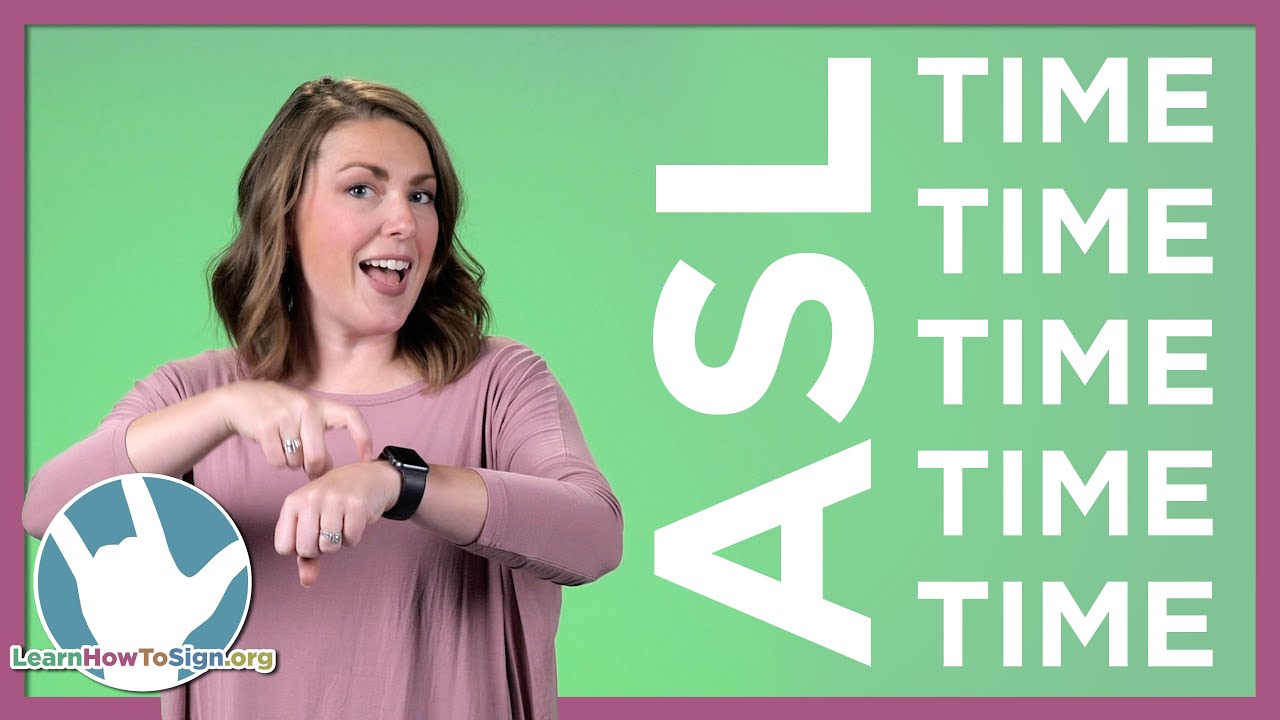
Understanding specific time-related events in ASL is crucial for effective communication, allowing for the clear expression of personal milestones, recurring activities, and scheduled engagements. This section will explore the signs for common events and concepts that revolve around the passage of time and organized activities.
Personal Time-Related Events
Communicating about significant personal moments and recurring celebrations is a fundamental aspect of daily life. ASL provides distinct signs to convey these events, ensuring clarity and emotional resonance.
- Birthday: To sign “birthday,” place your dominant hand flat against your chin, then move it down your jawline. This sign visually represents the act of blowing out birthday candles.
- Anniversary: The sign for “anniversary” involves forming the letter “A” with your dominant hand and touching your chin with the index finger, then moving the hand outward in a circular motion. This signifies a recurring yearly event.
- Holiday: For “holiday,” you can use a sign that involves forming the letter “H” with your dominant hand and bringing it to your forehead, then moving it outward. Alternatively, a more general sign for “celebration” or “special occasion” can be used depending on the context, often involving a sweeping motion with open hands.
Scheduled Events and Activities
Organizing and discussing commitments are vital in both personal and professional settings. ASL offers specific signs to denote meetings, appointments, and the overall structure of one’s schedule.
- Meeting: To sign “meeting,” bring your dominant index finger and middle finger together, then place them on your non-dominant palm, representing two people coming together.
- Appointment: The sign for “appointment” is formed by making a fist with your dominant hand and touching the tip of your index finger to your temple, then moving it forward. This can be visualized as marking a specific time on a calendar or in your mind.
- Schedule: To sign “schedule,” hold your dominant hand flat, palm facing you, and your non-dominant hand flat, palm facing down. Slide your dominant hand across the back of your non-dominant hand from left to right, indicating a linear progression of events.
Punctuality and Timeliness
Expressing whether an event occurred as planned or was delayed is essential for clear communication about punctuality. ASL has specific signs to convey being “on time” and “late.”
- On Time: The sign for “on time” is made by holding your dominant index finger up, then bringing it down to touch the back of your non-dominant hand, which is held flat. This signifies hitting a specific mark or deadline precisely.
- Late: To sign “late,” you can use a sign that involves forming the letter “L” with your dominant hand and moving it forward from your forehead, then bending it downwards. This visually represents falling behind or arriving after the designated moment.
Practice and Application of ASL Time Signs
Mastering ASL time signs goes beyond simply memorizing individual signs. It requires consistent practice to develop fluency and accuracy in expressing temporal concepts. This section provides practical strategies and scenarios to help you integrate time signs seamlessly into your ASL communication.
Practice Scenarios for ASL Time Signs
Engaging in practical exercises is crucial for solidifying your understanding and application of ASL time signs. These scenarios are designed to simulate real-life conversations and situations where time expressions are frequently used.
To effectively practice, try the following scenarios:
- Planning an Event: Imagine you are planning a party with a friend. Discuss potential dates, times, and durations for the event. For example, “Let’s meet TOMORROW MORNING. What about TEN O’CLOCK? Or maybe NEXT WEEK, on FRIDAY at SEVEN PM?”
- Recounting a Day: Describe your daily routine or a specific day’s events. Use signs for hours, minutes, days, and time periods. For instance, ” YESTERDAY, I woke up at SIX THIRTY AM. I worked from NINE TO FIVE. Then, I went to the gym for ONE HOUR.”
- Discussing Future Plans: Talk about upcoming appointments, vacations, or long-term goals. “I have a doctor’s appointment NEXT MONTH, on the FIFTH DAY. My vacation is scheduled for AUGUST, for TWO WEEKS.”
- Describing Past Events: Share memories or historical events. “The concert was LAST NIGHT. It started at EIGHT PM and ended around ELEVEN O’CLOCK. It was a fantastic show that lasted THREE HOURS.”
- Expressing Frequency: Discuss how often activities occur. “I exercise THREE TIMES A WEEK. We have family dinner EVERY SUNDAY.”
Methods for Practicing Fluency and Accuracy
Developing fluency and accuracy in ASL time expressions involves a multi-faceted approach that combines active learning with consistent repetition. The goal is to make these signs automatic and natural in your signing.
Consider these effective practice methods:
- Repetition and Self-Drilling: Practice signing specific times repeatedly. For example, sign ” TWO O’CLOCK,” ” TWO FIFTEEN,” ” TWO THIRTY,” and ” TWO FORTY-FIVE” consecutively. Do the same for days of the week, months, and time periods.
- Role-Playing: Find a practice partner and engage in simulated conversations that require the use of time signs. Take turns playing different roles, such as a planner, a narrator, or someone asking for directions or information related to time.
- Video Recording and Review: Record yourself practicing time signs and scenarios. Watch the recordings to identify areas for improvement in clarity, speed, and the natural flow of your signing. Pay attention to handshape, movement, and location.
- Immersion and Observation: Watch ASL videos, movies, or vlogs where time-related conversations are present. Observe how native ASL users express time and try to incorporate their techniques into your own signing.
- Flashcards: Create flashcards with written times (e.g., “3:00 PM,” “Next Tuesday,” “Last Year”) on one side and the corresponding ASL sign or a description of the sign on the other. Use these for self-quizzing.
- Contextual Practice: Integrate time signs into everyday descriptions and conversations. When talking about your day, consciously include the times you did specific activities.
Review Dialogue Incorporating ASL Time Signs
This short dialogue demonstrates how various ASL time signs can be naturally woven into a conversation. It serves as a review of the concepts covered, encouraging you to identify and practice the signs used.
Scenario: Two friends, Alex and Ben, are discussing weekend plans.
Alex: Hey Ben, what are you doing THIS WEEKEND?
Ben: Hi Alex! SATURDAY MORNING, I have to go to the dentist at TEN AM. It usually takes about ONE HOUR.
Alex: Oh, okay. What about SATURDAY AFTERNOON?
I was thinking of going to the new movie. It starts at TWO THIRTY PM.
Ben: That sounds fun! Yes, I can do that. What time should we meet?
Alex: Let’s meet at the cinema at TWO O’CLOCK, so we have time to get popcorn.
Ben: Perfect. And SUNDAY?
Alex: SUNDAY, I’m free all day. Maybe we can have lunch around NOON?
Ben: Great idea.
So, SATURDAY movie at TWO THIRTY PM, and SUNDAY lunch at NOON.
Alex: Exactly! I’m looking forward to it.
Ben: Me too! See you SATURDAY.
Last Word
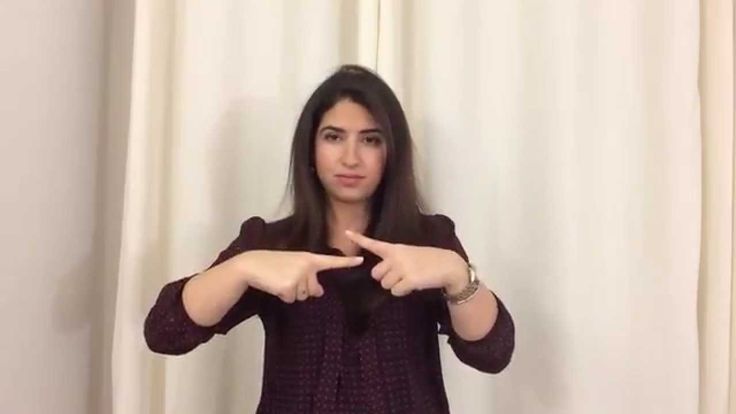
As we conclude our exploration of How to Tell Time in American Sign Language, we have gained a profound appreciation for the visual and grammatical richness of ASL’s temporal system. From the fundamental timeline concept to specific signs for events and frequencies, the ability to express time in ASL is both a practical skill and an art form. We encourage you to continue practicing these signs and concepts, opening new avenues for connection and understanding within the Deaf community.