Embarking on a journey to master the art of expressing oneself through sign language, this guide delves into the fascinating world of How to Sign Different Emotions and Feelings. It’s a rich exploration of non-verbal communication, revealing how nuanced gestures, expressive facial grammar, and precise body language can articulate the full spectrum of human experience.
We will explore the fundamental principles of conveying emotions and feelings through signs, highlighting the critical role of facial expressions and common gestures for basic emotions. Furthermore, we will venture into expressing more complex and subtle feelings, understanding how cultural variations and context shape these expressions, and finally, applying these skills through practical demonstrations and advanced techniques to truly visualize and communicate emotional depth.
Understanding the Nuances of Emotional Expression Through Signs
Conveying emotions and feelings through sign language is a rich and multifaceted process that goes beyond simple word-for-word translation. It involves a deep understanding of non-verbal communication, where the body and face become the primary instruments of expression. The fundamental principle is to embody the feeling, allowing it to resonate through your entire being, from the subtlest facial twitch to the broadest gestural sweep.
This holistic approach ensures that the emotional message is not just seen but also felt by the observer.The effectiveness of emotional expression in sign language hinges on the interplay of several key elements. Facial expressions are paramount, acting as the immediate and most potent indicator of an internal state. Alongside facial cues, body language provides context and emphasis, shaping the overall delivery of the emotion.
Together, these components create a powerful and nuanced communication channel, allowing for a depth of expression that can rival spoken language.
The Importance of Facial Expressions in Signing Emotions
Facial expressions are the cornerstone of conveying emotions in sign language. They are not merely decorative but integral to the meaning of the sign itself. The eyebrows, eyes, mouth, and even the cheeks work in concert to articulate the precise shade and intensity of an emotion. For instance, a slight furrowing of the brow can signify concern, while a wide-eyed stare might indicate surprise or fear.
The shape and movement of the mouth, from a subtle smile to a grimace, further refine the emotional message. Mastering these subtle yet critical facial movements is essential for accurate and impactful emotional communication in the signed world.
Common Sign Language Gestures for Basic Emotions
To effectively communicate basic emotions, sign language utilizes specific, recognizable gestures that are universally understood within the signing community. These signs are often intuitive, drawing parallels between the physical manifestation of an emotion and the handshape or movement used to represent it.Here are some common signs for basic emotions:
- Happiness: Typically involves a smiling facial expression. The sign often involves tapping the chest with an open hand, sometimes with a circular motion, conveying a sense of warmth and positivity emanating from within.
- Sadness: Characterized by a downcast expression, perhaps with drooping shoulders. The sign often involves bringing the hands down from the face or chest, with fingers extended and palms facing downwards, symbolizing a heavy heart or a feeling of being weighed down.
- Anger: Expressed with a stern or furrowed brow and a tense facial expression. The sign can involve clenching fists and moving them forward or in a chopping motion, representing the forceful and direct nature of anger.
- Fear: Accompanied by wide eyes, raised eyebrows, and a slightly open mouth. The sign might involve trembling hands or a quick, jerky movement, mimicking the physical reactions of being startled or frightened.
How Body Language Complements Signed Emotional Expressions
While facial expressions are vital, body language plays a crucial supporting role in enhancing and clarifying emotional expressions in sign language. The posture, gestures, and overall physical demeanor of the signer can amplify the intensity of an emotion, provide context, or even differentiate between similar feelings. For example, a slumped posture can underscore sadness, while an upright and assertive stance can emphasize confidence or determination.
The subtle tilt of the head, the tension in the shoulders, or the swing of the arms all contribute to a richer and more complete emotional narrative.Consider the difference in conveying annoyance versus rage. While the facial expression might share some common elements (like a tightened jaw), the body language would differ significantly. Annoyance might be signaled with a slight huff and a dismissive hand gesture, whereas rage would likely involve a more rigid posture, possibly with clenched fists held close to the body, and more forceful, expansive movements.
This interplay between facial expression and body language ensures that the emotional communication is both precise and impactful.
Expressing Complex and Subtle Feelings in Sign Language
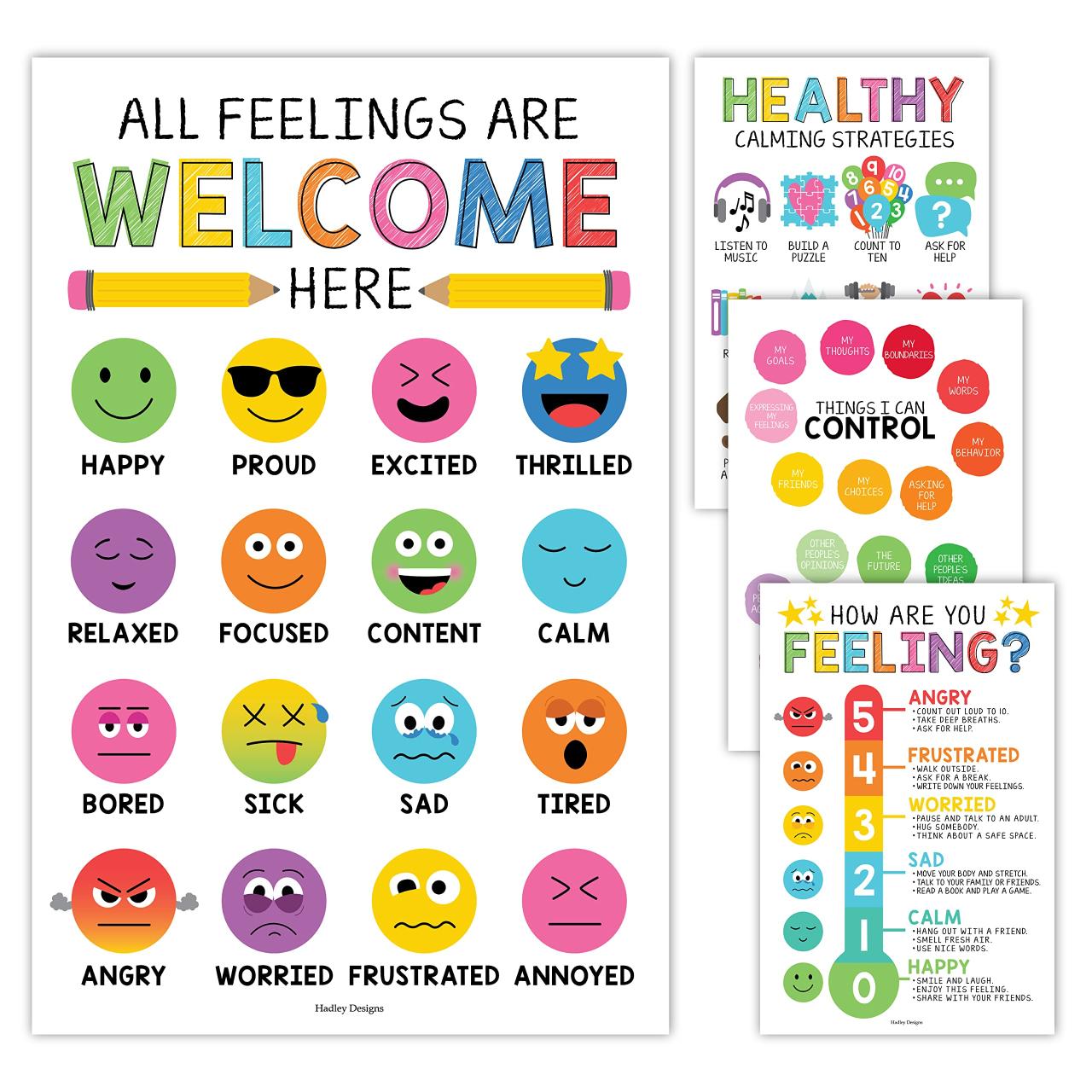
Beyond the basic emotions, sign language offers a rich vocabulary for conveying the intricate tapestry of human feelings. Understanding these nuances allows for deeper and more authentic communication within the Deaf community and with anyone learning sign language. This section explores how sign language captures the subtleties of complex emotional states.The ability to express complex and subtle feelings in sign language relies heavily on a combination of specific signs, precise non-manual markers, and nuanced body language.
These elements work in concert to differentiate emotions that might appear similar on the surface, enriching the communicative potential of sign.
Signs for Nuanced Emotions
A variety of signs exist to articulate feelings that fall between more commonly expressed emotions. These signs often involve specific handshapes, movements, and facial expressions that paint a vivid picture of the internal state.Here are examples of signs for some nuanced emotions:
- Frustration: Often depicted by a repeated, sharp downward movement of the hand, sometimes with a clenched fist, accompanied by a furrowed brow and a tightened jaw. The intensity of the movement can indicate the level of frustration.
- Excitement: Characterized by quick, energetic movements, often with both hands, and a bright, wide-eyed facial expression. Signs might involve rapid finger wiggles, or energetic bounces of the hands near the chest or head.
- Disappointment: Typically shown with a drooping posture, a downward head tilt, and a softening of facial features, sometimes with a sigh-like exhale. The hand movement might be a slow, downward sweep or a drooping hand shape.
- Relief: Expressed through a visible release of tension in the body, often with a deep exhale, a relaxed facial expression, and a gesture of letting go or a downward sweeping motion away from the body.
Facial Grammar and Body Positioning in Differentiating Similar Emotions
The Deaf community extensively uses facial grammar and body positioning to distinguish between emotions that might share similar core signs. These non-manual markers are as crucial as the manual signs themselves, providing the vital context that clarifies meaning.Consider the subtle differences in expressing similar emotions:
- Jealousy vs. Envy: While both involve wanting what another possesses, jealousy often implies a fear of losing something one already has (e.g., a relationship), and might be signed with a possessive handshape near the chest and a wary, suspicious facial expression. Envy, on the other hand, is a desire for something someone else has, and might be signed with a reaching motion towards the other person and a look of longing or covetousness.
The facial grammar here is key: a scowl or narrowed eyes can differentiate the possessiveness of jealousy from the yearning of envy.
- Annoyance vs. Anger: Annoyance might be conveyed with a slight frown, a quick shake of the head, and a brisk hand movement, suggesting a minor irritation. Anger, however, would involve a more pronounced furrowing of the brow, a tightened mouth, and a more forceful, potentially aggressive sign.
The subtle shifts in the eyebrows, the tightness of the lips, the angle of the head, and the overall posture all contribute to the precise meaning being communicated.
Progression of Emotions Through Signs
Emotional journeys are often dynamic, moving from one feeling to another. Sign language can effectively depict these transitions, creating a narrative flow of emotional change.A sequence demonstrating the progression from surprise to delight could unfold as follows:
- Surprise: The initial sign for surprise might involve wide eyes, an open mouth, and a quick, startled movement of the hands, perhaps coming from a neutral position towards the face.
- Processing/Curiosity: Following surprise, there might be a moment of processing. This could be indicated by a slightly furrowed brow, a tilted head, and a slower, more questioning hand gesture, as if pondering the unexpected event.
- Realization/Understanding: As the situation becomes clear, the facial expression would shift to one of understanding, perhaps with a nod of the head. The hands might make a sign indicating clarity or a “lightbulb moment.”
- Delight: Finally, the emotion blossoms into delight. This would be marked by a broad smile, sparkling eyes, and energetic, joyful hand movements, possibly including clapping or a sign that signifies happiness and pleasure.
This sequence illustrates how distinct signs and non-manual markers can effectively portray a natural emotional progression.
Cultural Variations and Context in Signing Emotions
Understanding how emotions are expressed through sign language is a rich and multifaceted endeavor. While many core emotions have universal or widely recognized signs, the way these emotions are conveyed, interpreted, and even the specific signs used can differ significantly across various sign language communities. This variation is not arbitrary; it is deeply rooted in the unique cultural landscapes, historical experiences, and social norms of each community.
Recognizing these differences is crucial for effective and sensitive communication, ensuring that our expressions are understood as intended and that we can accurately interpret the emotions of others.The interpretation and signing of emotions are profoundly influenced by the cultural lens through which they are viewed. Each sign language community develops its own lexicon and grammar, and this includes the nuanced ways in which feelings are expressed.
Factors such as individual lived experiences, societal expectations, and the historical development of the language all play a role in shaping how emotions are articulated and perceived. What might be considered a standard expression of joy in one culture could be subtly or even overtly different in another, reflecting a deeper understanding of the emotional spectrum within that specific context.
Factors Influencing Emotional Signing
Several key factors contribute to the diversity observed in signing emotions across different sign language communities. These elements shape both the creation of signs and their reception, ensuring that emotional expression remains dynamic and context-dependent.
- Personal Experiences: The collective and individual life experiences of a sign language community members shape their emotional vocabulary. Shared historical events, societal challenges, and common life milestones can lead to the development of specific signs or unique ways of expressing emotions that resonate with that community’s past and present.
- Cultural Norms and Values: Societal norms dictate acceptable and preferred ways of displaying emotions. Some cultures may encourage more overt expressions of happiness or sadness, while others might favor more reserved displays. These norms are directly reflected in the intensity, facial expressions, and body language accompanying emotional signs.
- Linguistic Evolution: Like all languages, sign languages evolve over time. New signs emerge, and existing ones can shift in meaning or usage. This evolution is often driven by the need to express new concepts or to refine the articulation of existing emotional states within the community.
- Geographic and Social Isolation: Historically, sign languages developed in relative isolation, leading to the formation of distinct dialects and languages. This isolation allowed for unique cultural and linguistic traits, including specific emotional expressions, to flourish independently.
Examples of Culturally Specific Emotional Expressions
The richness of sign language is evident in its capacity to capture subtle emotional shades that might be difficult to convey in spoken languages. These culturally specific expressions often go beyond simple translations and embody a deeper cultural understanding of emotional states.For instance, in some Deaf communities, a sign that might be translated as “frustration” could involve a specific handshape and a sharp, downward movement, often accompanied by a tightened jaw.
This sign might carry connotations of persistent struggle or a feeling of being blocked by external forces, reflecting cultural narratives of overcoming adversity. Conversely, a sign for “contentment” in another culture might be a gentle, circular motion with an open palm near the chest, conveying a sense of inner peace and harmony that is highly valued within that community’s social fabric.
Hypothetical Scenario: The Emotion of “Surprise”
To illustrate how cultural context shapes emotional signing, consider the emotion of “surprise.”
Imagine two individuals, Anya and Kenji, both experiencing surprise, but from different cultural backgrounds.
- Anya’s Context (Western, Individualistic Culture): Anya might express surprise with wide eyes, an open mouth, and a quick, sharp intake of breath. Her sign for surprise could involve hands moving rapidly from her sides to her chest, palms facing inwards, with raised eyebrows and a quick head tilt. This sign emphasizes a sudden, personal reaction to an unexpected event, highlighting individual awareness.
- Kenji’s Context (Eastern, Collectivist Culture): Kenji, on the other hand, might express surprise with a more subdued facial expression, perhaps a slight widening of the eyes and a subtle nod. His sign for surprise could be a slower, more controlled movement of the hands, perhaps from a neutral position outwards, with palms facing up, and a slight bowing of the head. This sign might convey a surprise that is shared or acknowledged within a group, or a surprise that is met with a sense of respectful acknowledgment of the unexpected rather than an individualistic jolt.
In this scenario, while both Anya and Kenji are experiencing the same core emotion of surprise, the accompanying physical manifestations and the specific signs used are modulated by their respective cultural norms. Anya’s expression is more outwardly demonstrative and personal, while Kenji’s is more restrained and community-oriented, reflecting their differing cultural values regarding emotional display and social interaction.
Practical Application: Demonstrating Emotional Signing
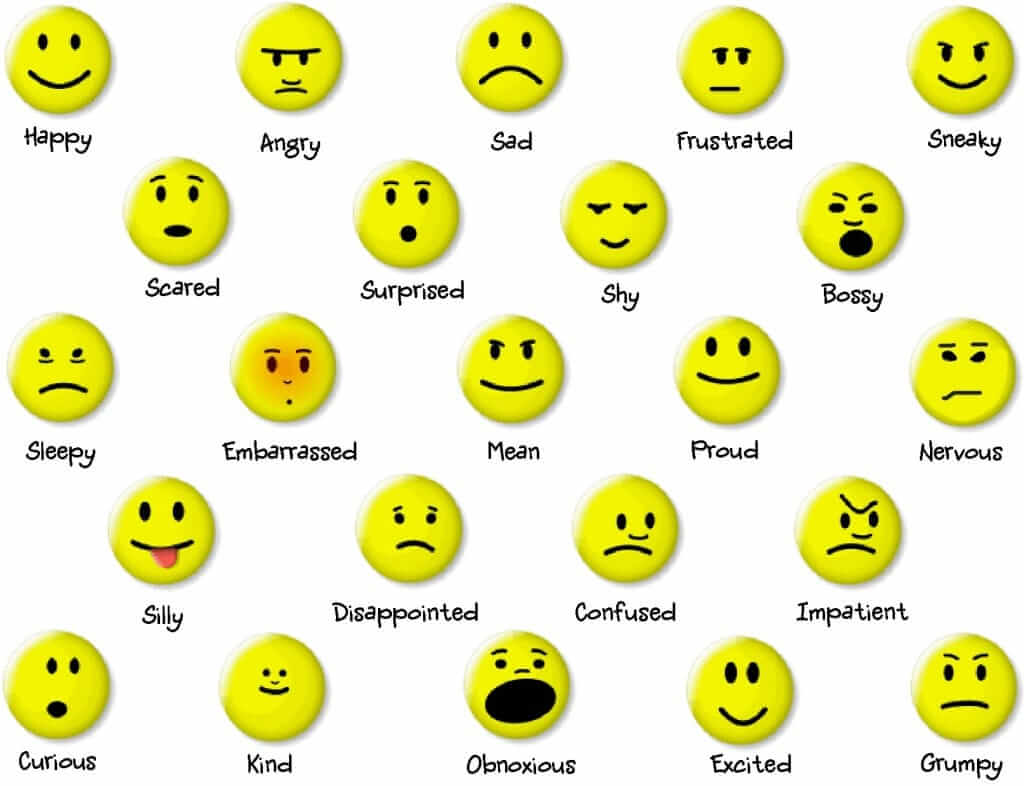
This section delves into the practical application of signing emotions, moving from theoretical understanding to tangible demonstration. We will explore how to effectively convey a spectrum of feelings through sign language, enhance emotional depth in narratives, and learn from experienced signers.Applying the principles of emotional signing requires a conscious effort to integrate facial expressions, body language, and nuanced signs into communication.
This practice is crucial for making signed interactions richer, more authentic, and more deeply understood.
Dialogue Script Incorporating a Range of Signed Emotions
Here is a short script designed to showcase the use of various emotional signs in a conversational context. This dialogue illustrates how different feelings can be expressed and understood within a brief exchange.
Characters: Alex (feeling hopeful, then surprised) and Ben (feeling concerned, then relieved).
Scene: Alex is waiting for news about a job application. Ben joins Alex.
Alex: (Signs with a hopeful, slightly anxious expression) “I’m still waiting for that call. I really hope it’s good news.” (Signs HOPE, POSITIVE, WAIT, CALL, VERY, HOPE, GOOD NEWS)
Ben: (Signs with a concerned, empathetic expression) “I understand. It’s tough when you’re in limbo like this.” (Signs UNDERSTAND, HARD, WHEN, WAIT, UNCERTAIN)
Alex: (Suddenly signs with wide eyes and an excited expression) “Oh my gosh! They just called! I got it!” (Signs SURPRISE, EXCITED, PHONE, RING, I, GET, JOB)
Ben: (Signs with immense relief and happiness) “That’s fantastic! I’m so happy for you!” (Signs RELIEF, HAPPY, VERY, HAPPY, FOR, YOU)
Alex: (Signs with genuine joy and gratitude) “Thank you! I can’t believe it!” (Signs THANK YOU, CANNOT, BELIEVE)
Demonstrating Descriptive Signs for Emotional Intensity
The intensity of an emotion can be effectively communicated through variations in the speed, size, and force of a sign, as well as through accompanying facial expressions. These descriptive elements add layers of meaning beyond the basic sign itself.
Consider the sign for “happy.” A slight, gentle smile and a small, smooth signing of HAPPY can indicate mild contentment. In contrast, a wide, beaming smile, larger and more energetic signing of HAPPY, perhaps with a bounce in the shoulders, conveys intense joy or elation. Similarly, the sign for “angry” can range from a furrowed brow and a moderately firm sign to a clenched jaw, narrowed eyes, and a forceful, sharp sign indicating extreme rage.
Here are some ways to modify signs to show intensity:
- Speed: Faster signing can indicate urgency, excitement, or agitation. Slower signing can convey sadness, weariness, or contemplation.
- Size: Larger signs often represent a greater degree of the emotion. For instance, a large, sweeping sign for “love” expresses deep affection.
- Force/Emphasis: A sharper, more forceful sign can emphasize anger, frustration, or determination. A softer, gentler sign might indicate tenderness or vulnerability.
- Repetition: Repeating a sign can sometimes emphasize its importance or the duration of the feeling.
- Facial Expression: This is paramount. Eyebrow position, mouth shape, eye gaze, and head tilt all significantly alter the perceived intensity and nuance of a signed emotion.
Incorporating Signed Emotional Cues into Storytelling
Integrating emotional signing into storytelling transforms a narrative from a simple recounting of events into an immersive experience. It allows the audience to connect with characters on a deeper, more empathetic level.
When telling a story in sign language, it is essential to embody the emotions of the characters. This involves not only using the appropriate signs for feelings but also maintaining the correct facial expressions and body language throughout the narrative. For example, when portraying a character who is scared, the signer should exhibit wide eyes, a tense posture, and perhaps trembling hands, in addition to signing “fear.” The pace of the signing can also reflect the mood of the story – faster for action or suspense, slower for reflective or somber moments.
To effectively incorporate emotional cues:
- Character Embodiment: Fully inhabit the emotional state of each character you portray. This means thinking and feeling as they would.
- Varying Facial Expressions: Use a wide range of facial expressions to match the emotional arc of the story. Don’t be afraid to be animated.
- Body Language: Let your body convey emotions. Slump your shoulders for sadness, stand tall for confidence, fidget for nervousness.
- Pacing and Rhythm: Adjust the speed and rhythm of your signing to build tension, create moments of calm, or emphasize dramatic points.
- Use of Space: The way you use the signing space can also convey emotion. For example, shrinking back might indicate fear or shame.
Observing and Learning from Fluent Signers Expressing Emotions
Observing how fluent signers naturally incorporate emotional expression is one of the most effective ways to learn. Their intuitive use of non-manual markers (facial expressions, body language) and the subtle variations in their signs provide invaluable insights.
Seek out opportunities to watch native or highly proficient signers communicate. This could be through video recordings of signed stories, performances, lectures, or even casual conversations if accessible. Pay close attention to how their faces change with their emotions, how their bodies react, and how the energy and flow of their signing reflect their feelings. Comparing how different signers express the same emotion can also highlight the diversity and richness of signed emotional communication.
Here are strategies for effective observation:
- Watch Signed Performances: Look for ASL storytellers, poets, or actors who naturally infuse emotion into their signing.
- Analyze Video Content: Pause and rewatch segments to closely examine facial expressions, body shifts, and sign modifications.
- Attend ASL Events: If possible, attend ASL-related events or meetups where you can observe fluent signers in various contexts.
- Focus on Non-Manual Markers: Specifically observe eyebrow movements, head tilts, mouth morphemes, and body posture.
- Note Sign Variations: Observe how the size, speed, and force of signs change to convey different intensities of the same emotion.
Visualizing Emotional States Through Descriptive Signing
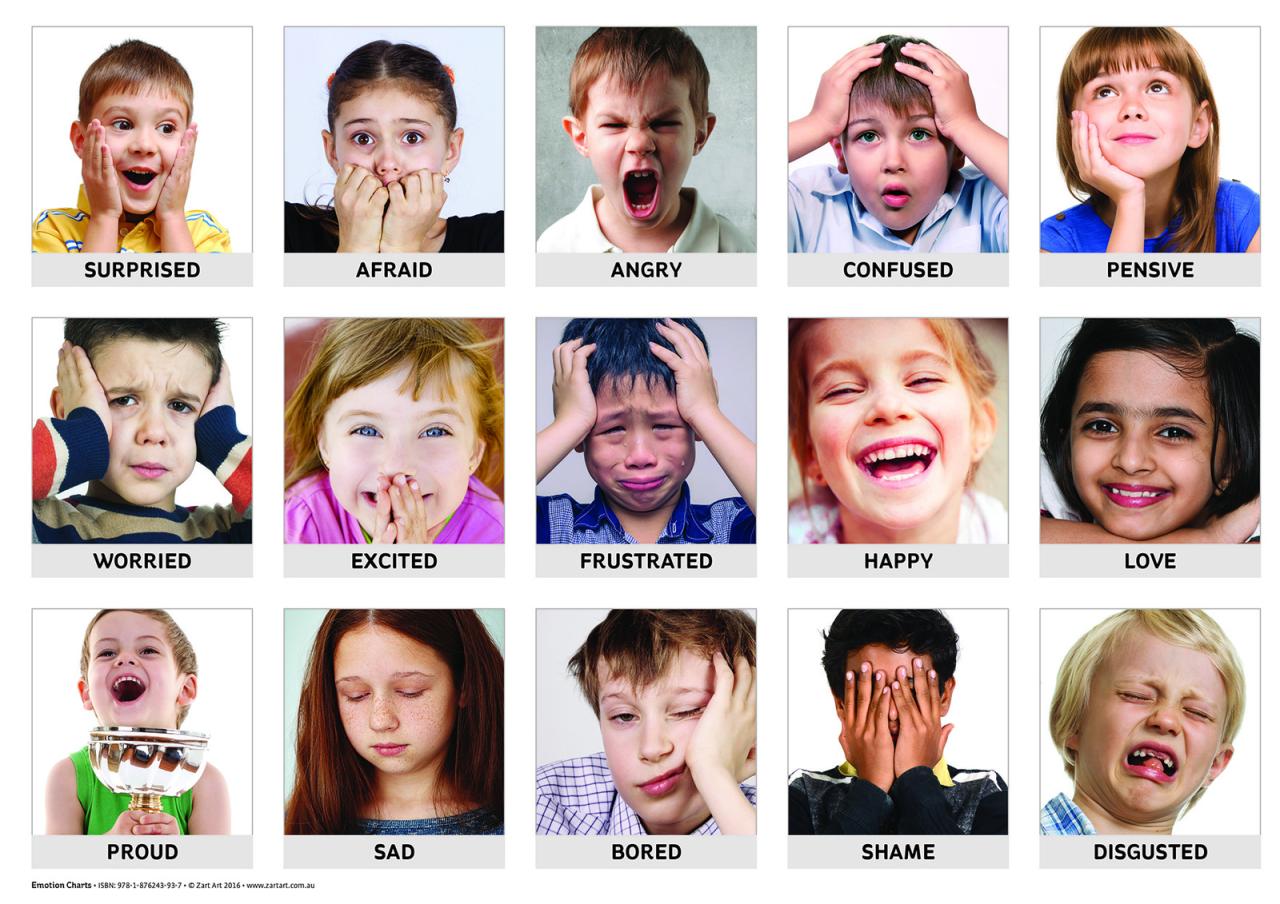
Understanding how to visually represent emotions in sign language goes beyond simple vocabulary. It involves embodying the physical sensations and internal experiences associated with each feeling, allowing for a richer and more authentic communication of emotional states. This section delves into techniques for translating abstract feelings into tangible signed expressions.
Physical Manifestations of Emotions
The physical cues of emotions are often universally recognized, and sign language effectively captures these. For instance, anxiety can be signed by depicting a rapid, fluttering heart with quick finger movements near the chest, combined with a furrowed brow and perhaps a slight tremor in the hands. Conversely, contentment can be expressed through relaxed shoulders, a gentle smile, and slow, fluid hand movements that convey a sense of ease and inner calm, often with a soft, open facial expression.
Signing Overwhelm
To sign the feeling of being overwhelmed, one can depict the sensation of being bombarded from all sides. This can be achieved by using both hands to create a sense of being swamped, perhaps with rapid, unfocused movements that suggest a racing mind. The body posture can also convey this, with slumped shoulders and a head held low, as if weighed down.
Facial expressions should reflect distress, with wide eyes and a strained mouth.
Signing Abstract Emotional Concepts
Abstract concepts like hope and despair require more symbolic and evocative signing. Hope can be visualized by extending a hand upwards, as if reaching for something distant or bright, with an upward gaze and a soft, expectant expression. It can also be represented by a small, persistent light or spark, shown with delicate finger movements. Despair, on the other hand, can be signed by drawing a hand downwards, as if sinking, with a heavy sigh and a closed-off facial expression, conveying a sense of futility and darkness.
Conveying Inner Turmoil and Peace
Inner turmoil can be visually represented by depicting conflicting forces or a chaotic internal state. This might involve rapid, jerky movements of the hands that seem to pull in different directions, or a shaking of the head that suggests confusion and distress. The body might be tense, with clenched fists or a hunched posture. In contrast, inner peace is conveyed through smooth, deliberate movements, a relaxed and open posture, and a serene facial expression, often with closed eyes or a soft, inward gaze, symbolizing a tranquil mind.
Advanced Techniques for Signing Emotional Depth
Moving beyond basic emotional expressions, this section delves into sophisticated methods for conveying the intricate landscape of human feelings through sign language. We will explore how to articulate complex emotional states, utilize linguistic tools for abstract concepts, and fine-tune the physical aspects of signing to amplify emotional resonance. Understanding these advanced techniques allows for a richer, more nuanced communication of the human experience.
Signing Complex Emotional States
Communicating multifaceted emotions requires a deliberate combination of established signs and subtle modifications. For instance, ambivalence, the coexistence of contradictory feelings, can be signed by showing a back-and-forth movement of the hands or head, signifying internal conflict, perhaps paired with facial expressions that flicker between positive and negative reactions. Nostalgia, a sentimental longing for the past, often involves a gentle, sweeping motion of one hand across the chest or a soft gaze directed upwards, conveying a sense of wistful reflection.
The key lies in layering these elements to paint a complete emotional picture.
Utilizing Classifiers for Abstract Feelings
Classifiers are a powerful tool in sign language that allow for the representation of abstract concepts, including emotions. They function as placeholders that describe the shape, movement, or location of something, and when applied to emotions, they can give tangible form to intangible feelings. For example, a classifier might be used to depict the feeling of being “overwhelmed” as a large, encompassing shape that gradually closes in, or the feeling of “hope” as a small, upward-moving light.
This visual representation makes abstract emotional states more accessible and understandable to the recipient.
Impact of Signing Speed and Amplitude on Emotional Intensity
The physical execution of signs plays a crucial role in conveying the intensity of an emotion. Rapid signing and expansive, large movements often signify heightened emotions, such as excitement, anger, or intense joy. Conversely, slower signing and smaller, more contained movements can communicate subtler feelings like sadness, contemplation, or anxiety. For example, a sign for “happy” performed with quick, energetic hand movements and a wide smile conveys elation, while the same sign executed with slower, gentler motions and a softer expression might suggest contentment.
Framework for Understanding the Relationship Between Personal Emotional State and Expressive Signing
A signer’s personal emotional state profoundly influences their expressive signing. This relationship can be understood through a framework that considers internal awareness, emotional regulation, and externalization. When a signer is genuinely experiencing an emotion, their signing naturally becomes more authentic and impactful, often unconsciously incorporating subtle shifts in body language, facial expressions, and sign execution that mirror their internal state.
Effective emotional signing, therefore, is not just about knowing the signs but also about being attuned to one’s own feelings and allowing them to inform the communication. This can be viewed as a feedback loop: genuine emotion enhances signing, and skilled signing can, in turn, deepen the signer’s connection to the emotion being expressed.
Incorporating Signs for Positive and Negative Affect
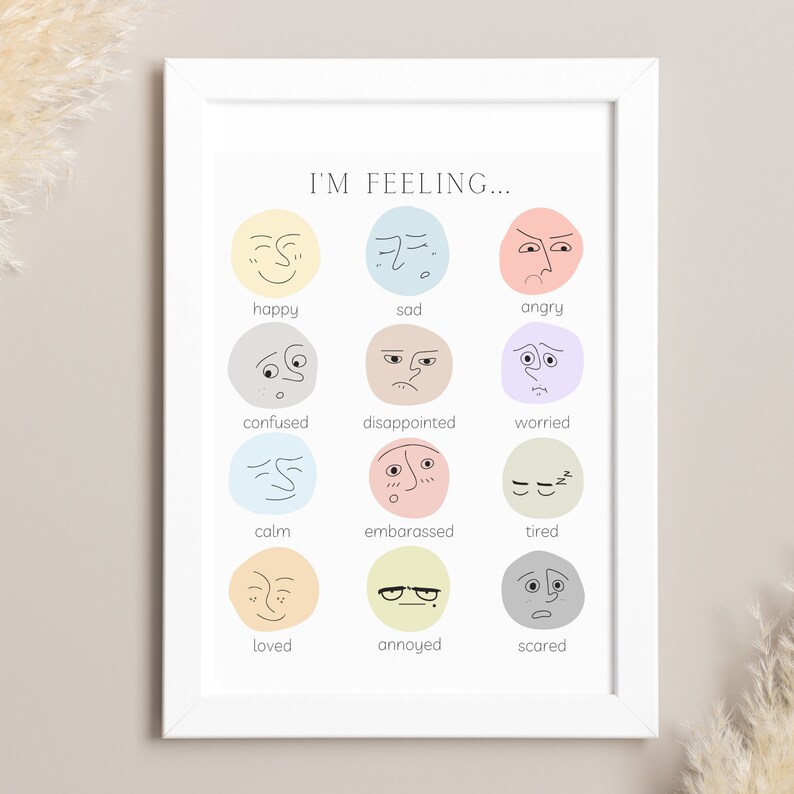
Understanding and conveying a full spectrum of human emotions in sign language involves mastering the signs for both positive and negative affective states. This section delves into the specific signs used to represent these emotions, offering a comprehensive vocabulary for expressing a wide range of feelings, from simple contentment to deep sorrow, and the nuanced ways these can be combined or transitioned.
Signs for Positive Emotions
To effectively communicate positive emotions, a rich vocabulary of signs is essential. These signs capture the subtle to overt expressions of happiness, satisfaction, and well-being. The following list provides examples of signs that represent a spectrum of positive feelings.
- Contentment/Peace: Often represented by a gentle, open hand moving in a circular motion over the chest, conveying a sense of inner calm and satisfaction.
- Happiness: A common sign involves bringing the fingertips of a flat hand to the chin and then moving the hand outwards and downwards with a smile, signifying a light and joyful heart.
- Joy: More intense than happiness, joy can be depicted with more energetic movements, perhaps a double movement of the happiness sign or a sign involving an upward and outward sweep of the hands, often accompanied by an open-mouthed smile and bright eyes.
- Excitement: Characterized by rapid, often fluttering hand movements, sometimes with bent fingers, indicating a high level of anticipation and enthusiasm.
- Gratitude: Typically shown by bringing an open hand towards the chest and then moving it outwards, often with a nod of the head, signifying a heartfelt appreciation.
- Love: A strong emotion often conveyed by crossing one’s arms over the chest with fists or flat hands, sometimes with a gentle pat, expressing deep affection and care.
- Pride: Can be shown by placing a fist or flat hand on the chest and puffing it out slightly, indicating a sense of accomplishment and self-worth.
Signs for Negative Emotions
Just as positive emotions require distinct signs, so too do negative ones. The ability to articulate feelings of displeasure, sadness, or distress is crucial for complete emotional expression. The following list Artikels signs for a range of negative emotions.
- Annoyance: Can be expressed with a quick, sharp flick of the fingers of one hand near the forehead or a slight frown and a dismissive hand gesture.
- Frustration: Often depicted by clenching a fist and repeatedly tapping it against an open palm or the thigh, sometimes with a furrowed brow.
- Sadness: Commonly shown by bringing the fingertips of both hands together at the corners of the eyes and drawing them downwards, often with a downturned mouth and lowered gaze.
- Anger: Can be represented by forming fists and bringing them down forcefully, or by a sharp, downward movement of the hands with a tense facial expression.
- Fear: May be signed by shaking hands with open palms facing each other, or by a quick, jerky movement of the hands in front of the body, often with wide eyes.
- Disappointment: Often conveyed by a downward movement of the hands from the chest, accompanied by a sigh or a sad facial expression.
- Grief: A profound sadness that can be signed with a slow, downward sweeping motion of the hands across the chest, or by covering the face with hands, indicating deep sorrow and loss.
Blending Signs for Mixed Feelings
Human emotions are rarely simple; often, we experience a complex interplay of feelings. Sign language allows for the representation of these mixed emotions by combining or juxtaposing signs, or by using specific facial expressions and body language to indicate the presence of multiple, sometimes conflicting, emotional states. For instance, one might sign a feeling of “sadness” with a slight tremor of the hands, while simultaneously incorporating a facial expression that hints at underlying “resignation” or even a flicker of “hope.” The subtle sequencing and intensity of signs, along with non-manual markers (facial expressions, head tilts, body posture), are key to conveying these intricate emotional blends.
Signing Transitions Between Emotional States
Demonstrating the shift from one emotional state to another is a vital aspect of expressive signing. This is achieved by clearly signing the initial emotion and then smoothly transitioning to the signs for the subsequent emotion, often using temporal cues or body movements to bridge the change. For example, a transition from frustration to relief might begin with the sign for frustration, followed by a visible relaxation of the body, a change in facial expression to one of ease, and then the sign for relief, perhaps a deep exhalation gesture.
The ability to sign transitions effectively allows for narrative depth and a more realistic portrayal of emotional journeys.
Consider the transition from annoyance to understanding. This could start with a sign for annoyance, perhaps a slight frown and a quick hand gesture indicating something is bothersome. This is then followed by a pause, a change in facial expression to one of contemplation, perhaps a nod of the head, and then the sign for understanding, which might involve tapping the forehead with the index finger and then opening the hand outwards, signifying a dawning realization.
The speed and fluidity of this transition convey the immediacy or gradual nature of the emotional shift.
The Role of Non-Manual Markers in Emotional Signing
Non-manual markers (NMMs) are an indispensable component of sign language, playing a crucial role in conveying the full spectrum of human emotion. These markers, encompassing facial expressions, head movements, body posture, and eye gaze, are not mere embellishments but integral linguistic elements that significantly shape the meaning and intensity of a signed utterance. Without them, the nuanced expression of feelings would be severely limited, akin to speaking a language without intonation or body language.
Understanding and utilizing NMMs effectively is paramount for both accurate comprehension and authentic emotional expression in sign language.The interplay between manual signs and non-manual markers creates a rich and dynamic communicative experience. While a manual sign might indicate a general emotion, the accompanying NMMs refine this meaning, specifying the exact shade of feeling, its intensity, and even the signer’s attitude towards it.
For instance, the same sign for “happy” can be rendered with varying degrees of joy, from a gentle contentment to ecstatic delight, solely through alterations in facial expression and body posture. This intricate system allows signers to communicate with a depth and subtlety that mirrors spoken language.
Facial Expressions as Key Non-Manual Markers
Facial expressions are arguably the most prominent and impactful non-manual markers in emotional signing. The eyes, eyebrows, mouth, and cheeks all contribute to a complex visual language that directly communicates emotional states. These movements are not arbitrary; they are deeply ingrained and universally recognized indicators of internal feelings.The following Artikels specific non-manual markers associated with different emotional categories:
- Joy/Happiness: Often characterized by upturned corners of the mouth, a slight widening of the eyes, and sometimes a crinkling around the eyes (a “Duchenne smile”). Eyebrows are typically neutral or slightly raised.
- Sadness: Marked by downturned corners of the mouth, lowered eyebrows that may furrow in the center, and a drooping of the eyelids. The head may be tilted downwards.
- Anger: Features narrowed eyes, furrowed eyebrows pulled down and together, tightened lips, and a tense jaw. The head may be held stiffly or thrust forward.
- Fear: Indicated by wide-open eyes, raised eyebrows that are often curved upwards, an open mouth, and possibly a pale complexion.
- Surprise: Characterized by wide-open eyes, raised eyebrows, and an open, often rounded, mouth.
- Disgust: Typically involves a wrinkled nose, raised upper lip, and sometimes a narrowed gaze.
Impact of Non-Manual Marker Variations on Interpretation
Variations in non-manual markers can dramatically alter the interpretation of a single signed emotion. The subtle shifts in eyebrow position, head tilt, or the intensity of a smile can distinguish between genuine emotion and feigned emotion, or convey different levels of intensity.Consider the sign for “surprise.” If signed with a slight widening of the eyes and a neutral mouth, it might indicate mild surprise.
However, if accompanied by a dramatic gasp, widely opened eyes, and raised eyebrows, it conveys intense shock or astonishment. Similarly, the sign for “sadness” can range from a gentle melancholy, indicated by a slight downturn of the mouth and lowered gaze, to profound grief, shown through a quivering lip, furrowed brow, and a full head droop.
Visualizing Emotional States Through Facial Expressions
The ability to visually depict emotional states through facial expressions is a cornerstone of effective emotional signing. These visual cues provide immediate and intuitive access to the signer’s internal experience.The following descriptions illustrate facial expressions that correspond to specific emotional signs:
- Contentment: Imagine a gentle, soft smile that reaches the eyes, with relaxed eyebrows and a slight upward tilt of the head. The eyes convey a sense of calm and satisfaction.
- Frustration: Picture eyebrows pulled down and slightly together, a tightened jaw, and a pursed or slightly gritted mouth. The eyes might narrow, and the head might be held with a sense of tension.
- Curiosity: Envision slightly raised eyebrows, with one brow potentially higher than the other, and a direct, focused gaze. The head might be tilted slightly to one side, as if leaning in to understand.
- Embarrassment: This can be conveyed through a blush (though not always visible in all signers), averted gaze, a hesitant smile, and perhaps a slight head shake or covering of the face.
- Excitement: Imagine bright, sparkling eyes, a broad smile, and energetic eyebrow movements. The head might bob or nod enthusiastically, and the overall facial animation is high.
Conclusion
In conclusion, mastering How to Sign Different Emotions and Feelings opens a profound avenue for connection and understanding. By diligently exploring the nuances of facial grammar, body language, and culturally specific expressions, we can all become more adept communicators of our inner worlds. This comprehensive guide has equipped you with the knowledge and techniques to express a vast array of emotions, from the simplest joy to the most complex inner turmoil, fostering deeper empathy and richer interactions within the signing community and beyond.