How to Navigate a Doctor’s Appointment Using Basic ASL is your guide to fostering clearer communication in healthcare settings. This resource is designed to empower individuals by providing foundational American Sign Language skills essential for effective interactions with medical professionals. We will explore the significance of ASL in medical environments and the fundamental principles for ensuring your needs are understood.
Understanding and utilizing basic ASL can significantly enhance the quality of care received during medical appointments. This guide breaks down the process into manageable steps, from introducing yourself and describing symptoms to understanding diagnoses and treatment plans. Our aim is to equip you with the confidence and tools necessary to advocate for your health effectively.
Introduction to ASL for Medical Settings
Effective communication is paramount in healthcare, especially when addressing medical needs. For individuals who are Deaf or hard of hearing and utilize American Sign Language (ASL), navigating doctor’s appointments can present unique challenges. Understanding and implementing basic ASL can significantly bridge communication gaps, ensuring accurate information exchange and fostering a more positive patient experience. This section will explore the importance of ASL in medical settings, common scenarios where it is needed, and general principles for its effective use.The healthcare environment demands precision in conveying symptoms, medical history, and treatment plans.
When verbal communication is not a primary means of understanding, ASL becomes an essential tool for patients to express their concerns and for medical professionals to gather vital information. The ability to communicate clearly and directly in ASL can lead to more accurate diagnoses, better adherence to treatment, and a stronger patient-provider relationship.
Importance of ASL in Healthcare
The use of ASL in medical settings is crucial for several reasons, primarily centered around ensuring equitable access to healthcare and promoting patient safety. When ASL is not readily available or understood by healthcare providers, patients may face significant barriers to receiving adequate care. This can lead to misunderstandings, misdiagnoses, and potentially harmful outcomes. Embracing ASL as a communication modality acknowledges the linguistic rights of ASL users and promotes inclusivity within the healthcare system.
Common Reasons for ASL Use in Healthcare
Individuals may require ASL for communication in medical settings for a variety of reasons, reflecting the diverse needs within the Deaf and hard-of-hearing community. These reasons underscore the necessity of ASL proficiency among healthcare providers or the availability of qualified interpreters.
- Deafness or Significant Hearing Loss: The most direct reason is when a patient is profoundly Deaf or has a hearing loss so severe that spoken language is not an effective means of communication. ASL is their primary language, allowing them to express complex thoughts and feelings.
- ASL as Primary Language: Many individuals grow up using ASL as their native or primary language, even if they have some residual hearing or can lip-read to a degree. For them, ASL offers the most nuanced and comprehensive way to communicate, especially when discussing sensitive or technical medical information.
- Cognitive or Developmental Factors: In some cases, individuals with certain cognitive or developmental conditions may find ASL to be a more accessible and effective communication method, regardless of their hearing ability.
- Communication Breakdown with Spoken Language: Even for individuals who may use spoken language, complex medical discussions can sometimes lead to communication breakdowns. ASL, with its visual and gestural nature, can sometimes offer clarity and a more direct way to convey specific medical concepts.
General Principles for ASL Communication in Medical Settings
Communicating effectively with ASL in a medical context requires a mindful approach that prioritizes clarity, respect, and understanding. These principles help to ensure that the patient’s needs are fully met and that the interaction is as efficient and productive as possible.
- Visual Attention: Always ensure you have the patient’s visual attention before signing. This can be achieved by gently tapping their shoulder or waving your hand in their peripheral vision.
- Clear and Moderate Pace: Sign at a clear and moderate pace. Avoid rushing, as this can make it difficult for the recipient to process the signs. Conversely, signing too slowly might disrupt the natural flow of conversation.
- Maintain Eye Contact: Direct eye contact is crucial in ASL. It signifies engagement and respect.
- Use Facial Expressions: Facial expressions are an integral part of ASL grammar and convey tone, emotion, and grammatical information. For example, raised eyebrows can indicate a question, while a furrowed brow might signify negation.
- Body Language: Your overall body language should be open and receptive. Lean slightly forward to show engagement.
- Fingerspelling: Be prepared to use fingerspelling for specific terms, names, or words for which there isn’t a common ASL sign. Ensure your fingerspelling is clear and legible.
- Visual Aids: Supplement ASL with visual aids such as diagrams, models, or written notes when appropriate. This can reinforce understanding, especially for complex medical concepts.
- Patience and Repetition: Be patient and willing to repeat or rephrase information if necessary. Not every sign or concept will be immediately understood.
- Confirm Understanding: Periodically check for understanding by asking the patient to reiterate what they’ve understood or by observing their non-manual markers (facial expressions and body language).
- Respect for ASL as a Language: Recognize that ASL is a complete and complex language, not merely a gestural representation of English. Treat it with the same respect afforded to any spoken language.
When a medical professional is learning or using basic ASL, the goal is to facilitate a functional level of communication. This doesn’t necessarily mean fluency, but rather the ability to convey and understand essential medical information.
“Clear communication in healthcare is not a luxury; it is a fundamental right and a critical component of patient safety and effective treatment.”
Essential ASL Vocabulary for Appointments
Navigating a medical appointment effectively relies on clear communication, and for Deaf or hard-of-hearing individuals who use American Sign Language (ASL), having a foundational vocabulary is crucial. This section introduces key ASL signs that will empower you to share vital personal information, describe symptoms, pinpoint areas of discomfort, and express your overall condition during a doctor’s visit. Mastering these signs will significantly enhance your ability to advocate for your health and ensure your needs are understood.Understanding and using these fundamental ASL signs will greatly facilitate your communication with healthcare providers.
These are the building blocks for conveying essential information during your appointment, from your identity to the specific ways you are feeling.
Personal Information Signs
Accurate personal information is the first step in any medical interaction. The following signs are essential for identifying yourself and providing basic details to healthcare professionals.
- NAME: This sign is formed by tapping the index fingers of both hands together twice.
- DATE OF BIRTH: To sign this, point to yourself, then make a circle with your dominant hand’s index finger and thumb, and bring it to your mouth. This signifies “born.” Then, sign “DAY” by bringing your dominant hand’s flat palm down onto your non-dominant hand’s flat palm.
- ADDRESS: Sign “LIVE” by placing your dominant hand’s index finger and thumb together and tapping it on your chin, then moving it down to your chest. Following “LIVE,” sign “HOUSE” by forming a roof shape with your hands.
Common Symptom Signs
Being able to articulate your symptoms clearly is paramount for a correct diagnosis and treatment plan. The following signs represent common ailments and sensations that you might experience.
- PAIN: Make fists with both hands and tap them together repeatedly.
- FEVER: Place the back of your dominant hand on your forehead.
- NAUSEA: Form a “C” shape with your dominant hand and bring it to your stomach area, then move it upwards and slightly outwards.
- DIZZINESS: Spin your index finger in a circle in front of your head.
Body Parts and Locations of Discomfort
Precisely indicating where you are experiencing discomfort is vital for the doctor. Familiarizing yourself with signs for common body parts will help you pinpoint the source of your symptoms.
Torso and Head
- HEAD: Tap the top of your head with your dominant hand’s flat palm.
- NECK: Trace a line down the front of your neck with your dominant hand’s index finger.
- CHEST: Place your dominant hand flat on your chest.
- STOMACH: Rub your stomach in a circular motion with your dominant hand.
- BACK: Place your dominant hand flat on your upper back.
Limbs and Extremities
- ARM: Place your non-dominant hand flat, then bring your dominant hand’s fist down onto it, as if striking.
- LEG: Tap your thigh with your dominant hand’s flat palm.
- FOOT: Tap your foot on the floor.
- HAND: Hold your hand out, palm facing forward.
- FINGER: Extend your index finger.
Expressing Feelings and Sensations
Beyond specific symptoms, conveying how your condition is evolving or how you are feeling overall is important for the doctor’s understanding of your progress.
- BETTER: Sign “GOOD” by forming an “A” handshape and bringing it from your chin outwards. Then, sign “MORE” by bringing your fingertips together twice.
- WORSE: Sign “BAD” by forming an “A” handshape and moving it downwards from your chin. Then, sign “MORE” by bringing your fingertips together twice.
- TIRED: Make fists with both hands and bring them down from your chest, as if dropping something heavy.
- ANXIOUS: Place your dominant hand’s index finger and thumb together, forming a “pinch,” and move it back and forth across your chest.
To express a specific location of pain, first sign “PAIN,” then point to the exact body part or area of your body where you are experiencing the discomfort. For example, to indicate a headache, you would sign “PAIN” and then point to your head.
Navigating the Appointment Process with ASL
Successfully communicating during a doctor’s appointment is crucial for receiving appropriate care. Utilizing American Sign Language (ASL) can bridge communication gaps and ensure you can convey your needs effectively. This section will guide you through the typical stages of a medical appointment and provide ASL phrases to help you navigate them with confidence.Understanding how to express your understanding or confusion is a vital part of any communication, especially in a medical setting where clarity is paramount.
ASL offers clear and direct ways to signal your comprehension or lack thereof, allowing your healthcare provider to adjust their communication style accordingly.
ASL Signs for Common Appointment Stages
Familiarizing yourself with ASL signs for the key phases of a doctor’s appointment will streamline the process. These signs allow you to proactively communicate your status and needs at each step, from arrival to the consultation itself.Here are some essential signs for navigating your appointment:
- Check-in: The sign for “check-in” involves pointing to yourself with an open hand, then making a flat, horizontal motion with your index finger in front of you, mimicking a signature. This indicates you are here to register.
- Waiting Room: To sign “waiting room,” form your dominant hand into a flat “B” shape, palm facing down. Then, move your hand in a circular motion in front of you, signifying a space where people wait.
- Consultation/Doctor: The sign for “doctor” is made by forming a “C” shape with your dominant hand and tapping it twice on the opposite wrist. For “consultation,” you can sign “talk” (two index fingers pointing at each other, moving back and forth) and then point to yourself and the doctor’s general direction.
- Examination: To sign “examination,” you can use the sign for “look” (index finger and middle finger extended, pointing forward, moving from your eye outward) and then sign “body” (two flat hands, palms facing each other, moving down your body).
Indicating Understanding or Confusion
Being able to clearly communicate whether you understand information is essential for ensuring you receive accurate medical advice. ASL provides distinct signs to express comprehension or a need for further explanation.Here are ways to indicate your understanding:
- Understand: The sign for “understand” is made by forming a fist with your dominant hand, then flicking your index finger upwards from your forehead. This signifies that the information has been received and processed.
- Not Understand: To indicate you do not understand, you can sign “understand” and then shake your head “no” while simultaneously making a negative facial expression. Alternatively, you can sign “understand” and then sign “no” (index finger and middle finger together, flicking outwards).
- Confused: The sign for “confused” involves wiggling your index finger in a circular motion near your forehead, often accompanied by a furrowed brow.
ASL Phrases for Asking Clarifying Questions
When discussing diagnoses or treatment plans, it is important to ask questions to ensure you fully grasp the information. ASL offers specific phrases that can help you seek clarification politely and effectively.Here are some useful ASL phrases for asking questions:
- “EXPLAIN AGAIN?” (Sign “EXPLAIN” which is two flat hands, palms facing up, moving away from your chest, then sign “AGAIN” which is two index fingers pointing up, one slightly behind the other, moving forward.)
- “WHAT MEAN [term]?” (Sign “WHAT” with your hands palms up, shaking them slightly, then sign “MEAN” by tapping your chin with your index finger, and then finger spell the term or sign it if known.)
- “MORE INFORMATION?” (Sign “MORE” by touching the tips of your thumb and index finger together repeatedly, then sign “INFORMATION” by tapping your index finger on your chin twice.)
Requesting Repetition or Slower Signing
If a medical provider is signing too quickly or you missed a part of what was communicated, it is perfectly acceptable to request them to repeat or slow down. ASL provides polite ways to make these requests.Here are methods for requesting repetition or slower signing:
- Repeat: To ask for a repetition, you can sign “AGAIN” (as described above) and then gesture with your hands as if you are asking them to repeat what they just signed.
- Slow Down: To request slower signing, you can sign “SLOW” by holding your dominant hand flat, palm down, and moving it slowly from your elbow to your wrist, often with a gentle, questioning facial expression. You can then add “SIGN” (two index fingers pointing forward, moving in unison) to specify you mean their signing speed.
- Please Repeat: A polite way to ask for repetition is to sign “PLEASE” (flat hand moving in a circular motion on your chest) followed by “AGAIN.”
ASL for Describing Medical History and Concerns
Effectively communicating your medical history and current concerns is paramount to receiving accurate diagnoses and appropriate treatment. American Sign Language (ASL) offers a rich vocabulary and grammatical structure to convey this vital information clearly and concisely to healthcare providers. This section will equip you with the ASL signs and phrases necessary to articulate your past conditions, medications, surgical experiences, and family health background.Understanding and utilizing these ASL expressions will empower you to be an active participant in your healthcare, ensuring your needs and history are fully understood by your medical team.
This proactive communication can lead to better health outcomes and a more positive patient experience.
ASL for Common Medical Conditions
Communicating common medical conditions is a fundamental aspect of discussing your health. Knowing the appropriate ASL signs allows for direct and unambiguous communication of diagnoses that may impact your treatment plan.Here are ASL signs for several common medical conditions:
- Diabetes: Sign for SUGAR (index finger taps chin, then moves down to touch thumb and index finger) followed by ILLNESS (closed fist circles twice in front of chest).
- High Blood Pressure: Sign for BLOOD (index finger slides down forearm) followed by PRESS/PUSH (flat hand pushes down twice).
- Allergies: Sign for ALLERGY (index finger taps nose twice, with a slight grimace or scratch at the nose).
- Asthma: Sign for BREATH (hands cup around mouth, moving as if taking a breath) followed by DIFFICULT (index finger and thumb pinch and pull apart twice).
- Heart Disease: Sign for HEART (two hands form a heart shape over the chest) followed by PROBLEM (index fingers tap together twice).
ASL for Medications and Dosages
Accurate reporting of medications and their dosages is crucial for avoiding adverse drug interactions and ensuring effective treatment. ASL provides specific ways to express these details.It is important to clearly communicate the name of the medication, the dosage, and the frequency of administration. This information helps your doctor understand your current treatment regimen.Here are ways to express medication details in ASL:
- Medication/Pill: Sign for MEDICINE (index finger taps palm of other hand twice).
- Dosage (e.g., 500 milligrams): Sign for AMOUNT (flat hands move apart as if measuring) followed by the number for the dosage (e.g., signing “FIVE-ZERO-ZERO”).
- Frequency (e.g., once a day): Sign for TIME (index finger circles) followed by the frequency (e.g., signing “ONE” and then “DAY” or “MORNING”).
- Tablet/Pill Form: Sign for PILL (index finger and thumb pinch and move as if taking a pill).
- Liquid Form: Sign for LIQUID (index finger moves down the side of the other hand as if pouring) followed by MEDICINE.
When discussing specific medications, it is also helpful to be able to sign the name of the medication if you know it, or describe its appearance (e.g., “small, white pill”).
ASL Phrases for Past Surgeries or Procedures
Detailing past surgical interventions and medical procedures is a significant part of your medical history. ASL allows for clear communication of these events, including the type of surgery and the approximate time it occurred.Being able to describe your surgical history helps your doctor understand potential complications or factors that might influence your current health status.Here are ASL phrases for discussing past surgeries or procedures:
- Surgery: Sign for OPERATION (index finger makes a cutting motion across the palm of the other hand).
- Past Surgery: Sign for OPERATION followed by PAST (index finger moves backward from the shoulder).
- Specific Procedure (e.g., Appendectomy): While there may not be a sign for every specific procedure, you can describe it. For example, for an appendectomy, you might sign OPERATION and then point to the lower right abdomen.
- Year of Surgery: Sign for OPERATION followed by the sign for YEAR (index finger circles in front of the body) and then the specific year (e.g., “TWO-THOUSAND-TEN”).
- Reason for Surgery: Sign for OPERATION followed by WHY (index finger taps chin twice).
It is also beneficial to know the signs for body parts involved in the surgery, which can aid in description.
ASL Expressions for Discussing Family Medical History
Family medical history provides valuable insights into potential genetic predispositions to certain conditions. Effectively communicating this information to your doctor can aid in preventative care and early detection.Understanding the health status of your immediate family members can alert your doctor to risks that may be relevant to your own health.Here are ASL expressions for discussing family medical history:
- Family: Sign for FAMILY (index and middle fingers of both hands interlock in a circular motion).
- Mother: Sign for MOTHER (flat hand with thumb extended, taps chin twice).
- Father: Sign for FATHER (flat hand with thumb extended, taps forehead twice).
- Sister: Sign for SISTER (index finger and middle finger of one hand move down the side of the index finger of the other hand).
- Brother: Sign for BROTHER (index finger and middle finger of one hand move down the side of the index finger of the other hand, with a more “masculine” facial expression).
- Has/Had [Condition]: Sign for HAS/HAD (index finger points forward from the chest, then moves backward). For example, MOTHER HAS-HAD DIABETES.
- Grandfather/Grandmother: Sign for GRANDFATHER (sign for FATHER repeated twice) or GRANDMOTHER (sign for MOTHER repeated twice).
When discussing family history, be prepared to mention specific conditions and which family member was affected.
Communicating During a Physical Examination
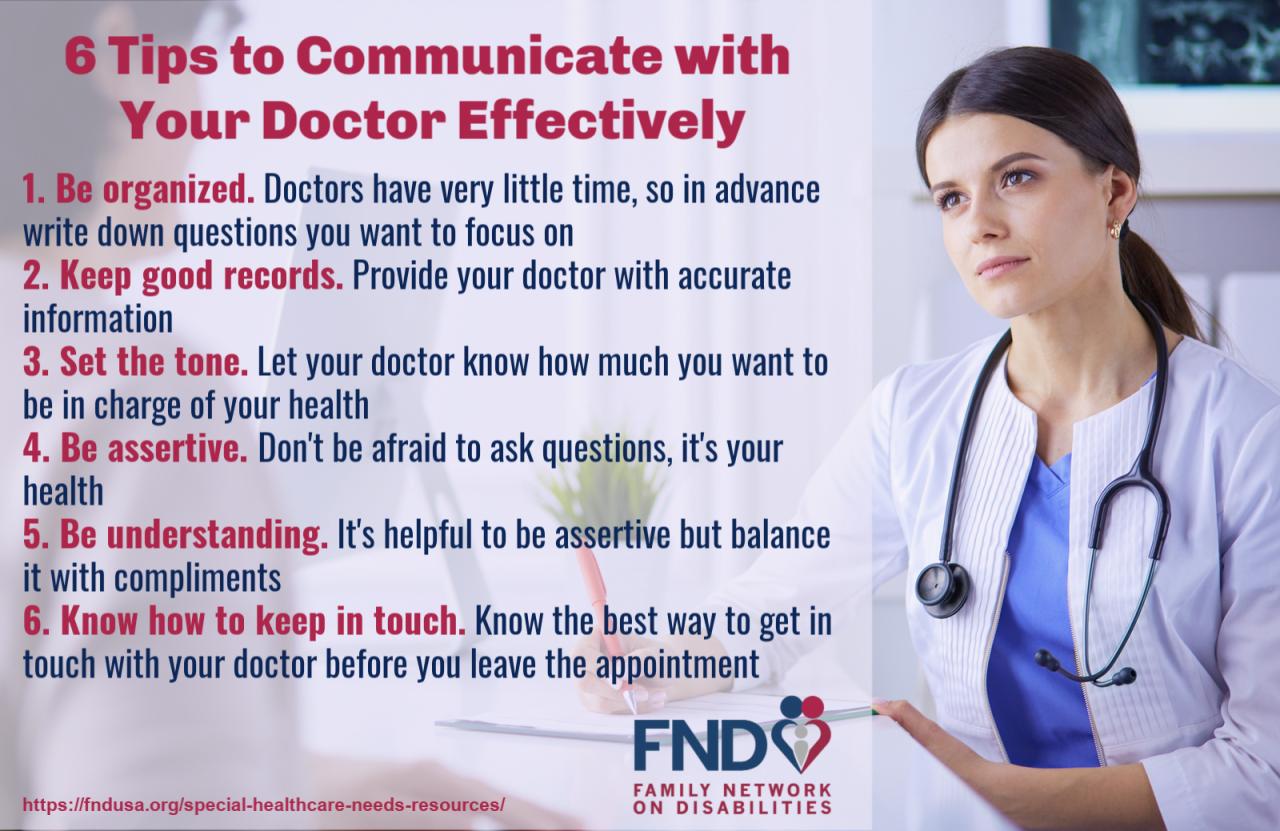
This section focuses on how to effectively communicate with your doctor during the physical examination portion of your appointment using American Sign Language (ASL). Understanding and using the appropriate signs will help ensure the doctor can accurately assess your health and address any concerns you may have.The physical examination is a crucial part of diagnosing and understanding your health. Being able to clearly communicate what you are experiencing and to understand the doctor’s actions can significantly improve the effectiveness of this process.
We will cover signs for common examination actions, sensations, and how to direct the doctor’s attention to specific areas.
ASL for Examination Actions
During a physical examination, your doctor will perform various actions to assess your body. Knowing the ASL signs for these actions will help you understand what is happening and feel more in control.Here are some fundamental ASL signs used during a physical examination:
- LISTEN: This sign is made by forming a ‘C’ shape with your dominant hand, palm facing your ear, and then moving it slightly forward and backward as if cupping your ear to hear better.
- LOOK: To sign ‘LOOK’, use your index and middle fingers extended, with your other fingers closed into a fist. Place these two fingers at your temples and move your hand forward, as if your fingers are your eyes scanning.
- TOUCH: This sign can be made in a few ways depending on the context. A general sign for ‘TOUCH’ involves bringing your dominant hand, with fingers slightly spread, towards the area you are indicating, making light contact. For a more specific touch, like a doctor palpating an area, you might use a repeated tapping motion with your fingertips.
ASL for Describing Physical Sensations
It is vital to accurately describe any physical sensations you are experiencing. This vocabulary will help the doctor understand the nature of your discomfort or symptoms.Here is ASL vocabulary for common physical sensations encountered during an examination:
- TIGHTNESS: To sign ‘TIGHTNESS’, make fists with both hands and then slowly pull them apart, as if you are stretching something that is taut.
- SORENESS: Sign ‘SORENESS’ by forming an ‘X’ with your dominant index finger and then gently but firmly pressing it into a specific area of your body, indicating localized pain.
- NUMBNESS: To sign ‘NUMBNESS’, make a flat hand with fingers together and touch your fingertip to your thumb, then move your hand in a gentle, brushing motion over the affected area, signifying a lack of feeling.
- PAIN: The sign for ‘PAIN’ is made by crossing your index fingers and then making a sharp, stabbing motion towards each other, indicating a sharp or intense discomfort. You can also use a more general sign of rubbing the affected area with a closed fist, indicating a dull ache.
- ACHE: Similar to pain, ‘ACHE’ can be signed by making a fist and rubbing it in a circular motion over the area that is aching.
Indicating Areas of Concern or Pain
Directly pointing out the area of your body that is causing concern or pain is essential. ASL provides clear ways to do this, ensuring the doctor examines the correct spot.To effectively indicate areas of concern or pain during a physical assessment:
- Direct Pointing: Use your index finger to clearly and directly point to the specific location on your body where you are experiencing the sensation.
- Describing Location: Combine pointing with descriptive signs. For example, if you have pain in your knee, you would point to your knee and then sign ‘PAIN’ or ‘SORENESS’. If the pain is on the front of your knee, you can sign ‘FRONT’ and then point.
- Using Body Part Signs: Ensure you are using the correct ASL signs for body parts (e.g., HEAD, ARM, LEG, STOMACH, BACK, CHEST, HAND, FOOT). This allows for precise communication.
ASL Phrases for Responding During Examination
Responding to the doctor’s prompts and actions during the examination is key to a successful interaction. Here are some helpful ASL phrases.Here are ASL phrases to use when responding to the doctor during the examination:
- When the doctor asks, “Does this hurt?” you can sign “YES” or “NO.” If it hurts, you can then point to the area and sign “PAIN” or “SORENESS.”
- If the doctor touches an area and you feel a specific sensation, you can sign “YES” and then add the sensation, for example, “YES, TIGHTNESS.”
- If you are experiencing numbness, you can sign “NUMBNESS” and point to the area.
- If the doctor asks you to move a body part, and you can do so without pain, you can nod. If it causes pain, you can sign “PAIN” while attempting to move.
- When the doctor is listening to your heart or lungs with a stethoscope, you can remain still. If you feel dizzy or unwell during this, you can gently signal to the doctor by raising your hand or signing “FEEL-BAD” (a common sign for feeling unwell, often a flat hand brushing down your forehead).
When communicating pain, it is helpful to also convey the intensity. You can do this by varying the size and speed of your ‘PAIN’ sign. A larger, more vigorous sign can indicate severe pain, while a smaller, more controlled sign can indicate mild pain.
Understanding and Responding to Medical Information

Effectively understanding and responding to medical information is crucial for successful healthcare interactions. This section focuses on empowering you with ASL strategies to ensure clarity and comprehension when discussing diagnoses, prescriptions, and treatment plans. We will also cover methods for requesting supplementary information and confirming your understanding.The healthcare environment can be fast-paced, and it’s essential to have tools to manage the flow of information.
This includes not only understanding the spoken or signed words but also having ways to reinforce that understanding through visual aids and clear confirmation.
Requesting Supplementary Information
To enhance comprehension and retain important details, it is beneficial to request written materials or visual aids from your healthcare provider. These resources can serve as a valuable reference and support your understanding of complex medical information.When requesting such aids, you can use the following ASL phrases:
- “WRITTEN INFORMATION, PLEASE?” (Sign WRITTEN, then INFORMATION, then a questioning gesture with your eyebrows raised.)
- “PICTURE, DIAGRAM, PLEASE?” (Sign PICTURE or DIAGRAM, then PLEASE.)
- “CAN YOU SHOW ME?” (Sign CAN, then YOU, then SHOW, then ME, often accompanied by pointing towards yourself.)
These phrases are direct and polite, facilitating a positive interaction with your provider.
Common Medical Terms in ASL
Familiarizing yourself with key ASL signs for medical terms will significantly improve your ability to communicate about your health. These signs are fundamental for understanding diagnoses, medications, and the overall course of treatment.Here are some essential ASL signs:
- Diagnosis: The sign for DIAGNOSIS typically involves pointing to your head or chest area and then making a circling motion with your hand, signifying the process of identifying an illness.
- Prescription: For PRESCRIPTION, you might see a sign involving holding an imaginary pen and writing, often followed by a gesture of giving something.
- Treatment Plan: TREATMENT PLAN can be signed by first indicating TREATMENT (often a gentle rubbing motion on the affected area or a gesture of care) followed by PLAN (which might involve outlining or drawing a path with your fingers).
Practicing these signs beforehand will build your confidence and fluency during your appointment.
Confirming Understanding of Information and Next Steps
Ensuring you have correctly understood the information provided by your doctor is paramount. This involves actively confirming your comprehension of diagnoses, instructions, and the proposed course of action.You can confirm your understanding using these ASL phrases:
- “SO, MY DIAGNOSIS IS [sign for diagnosis]?” (Sign SO, then MY, then the sign for the diagnosed condition, followed by the sign for DIAGNOSIS and a questioning facial expression.)
- “I UNDERSTAND, [repeat key information in ASL]?” (Sign I, then UNDERSTAND, then clearly sign the information you believe you have grasped, ending with a questioning look.)
- “NEXT STEP, [sign for next step]?” (Sign NEXT, then STEP, and then sign what you believe the next action will be, with a raised eyebrow.)
Using these confirmation phrases demonstrates engagement and helps prevent misunderstandings.
Scheduling Follow-Up Appointments and Tests
Managing future healthcare needs involves effectively scheduling follow-up appointments and necessary tests. ASL can be used to clearly communicate your availability and confirm details of these arrangements.To schedule future appointments or tests, you can use the following ASL expressions:
- “FOLLOW-UP APPOINTMENT, WHEN?” (Sign FOLLOW-UP, then APPOINTMENT, then WHEN, with a questioning expression.)
- “TEST APPOINTMENT, [day of week], [time]?” (Sign TEST, then APPOINTMENT, then sign the specific day and time, with a questioning facial expression.)
- “CAN WE SCHEDULE FOR [week/month]?” (Sign CAN, then WE, then SCHEDULE, then the sign for the desired week or month, with a questioning look.)
These phrases provide a clear framework for discussing and confirming scheduling details.
Resources and Further Learning
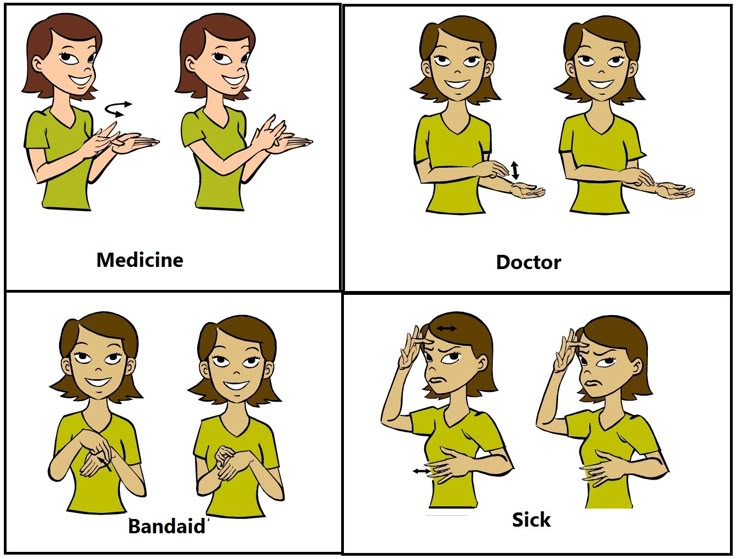
Continuing your journey in ASL for medical settings empowers you to advocate for your health and build stronger relationships with healthcare providers. This section offers practical guidance on finding support and enhancing your ASL proficiency for ongoing medical management.Learning ASL is an ongoing process, and accessing the right resources can significantly accelerate your progress. This is especially true when it comes to the specialized vocabulary and nuanced communication required in healthcare.
Finding ASL Interpreters for Medical Appointments
Securing a qualified ASL interpreter is crucial for effective communication during medical appointments. It ensures that both the patient and the healthcare provider can understand each other fully, leading to better care.There are several avenues to explore when seeking ASL interpreters for medical settings:
- Hospital and Clinic Services: Many healthcare facilities have dedicated departments or staff who can arrange for ASL interpreters. It is advisable to inquire about this service when scheduling your appointment.
- Deaf Community Organizations: Local organizations serving the Deaf community often maintain lists of certified ASL interpreters or can provide referrals. These organizations are invaluable resources for connecting with language access services.
- Online Interpreter Directories: Professional organizations for interpreters, such as the Registry of Interpreters for the Deaf (RID), often have online directories where you can search for certified interpreters in your area.
- State Relay Services: Some state relay services may offer interpreter referral services for medical appointments.
It is recommended to book interpreters in advance to ensure availability, especially for specialized medical needs. Confirming the interpreter’s certification and experience in medical settings is also a good practice.
Practicing and Improving ASL Skills for Healthcare
Consistent practice is key to mastering ASL, particularly for the specific demands of medical communication. Engaging in regular practice will build confidence and fluency.Methods to enhance your ASL skills for healthcare include:
- Immersion and Community Involvement: Actively participate in Deaf community events and social gatherings. This provides natural opportunities to converse with native ASL users.
- ASL Classes and Workshops: Enroll in ASL courses that focus on medical terminology or healthcare-specific scenarios. Many community colleges and adult education centers offer such programs.
- Online Resources and Apps: Utilize ASL learning apps, websites, and video platforms that offer vocabulary drills, grammar lessons, and practice conversations. Look for content specifically tailored to medical contexts.
- Role-Playing: Practice common appointment scenarios with a friend, family member, or fellow ASL learner. Simulate asking about symptoms, understanding diagnoses, and discussing treatment plans.
- Watching Medical Content in ASL: Seek out videos, documentaries, or educational programs about health topics presented in ASL. This helps you learn signs and phrasing used by medical professionals and Deaf individuals discussing health.
Remember that building fluency takes time and dedication. Celebrate small victories and remain persistent in your learning efforts.
Benefits of Learning Advanced ASL for Ongoing Medical Management
While basic ASL can facilitate initial appointments, acquiring more advanced ASL skills offers significant advantages for long-term health and wellness. Deeper ASL proficiency enables more complex discussions and a greater sense of autonomy in managing your health.The benefits of advanced ASL learning for ongoing medical management are substantial:
- Nuanced Symptom Description: Advanced vocabulary allows for more precise and detailed descriptions of pain levels, sensations, and the progression of symptoms, leading to more accurate diagnoses.
- In-depth Discussion of Treatment Options: Complex ASL enables a thorough understanding of various treatment modalities, potential side effects, and alternative therapies.
- Understanding Complex Medical Information: Advanced learners can better comprehend detailed explanations of diagnoses, test results, and medical procedures.
- Active Participation in Healthcare Decisions: With enhanced ASL skills, individuals can more actively engage in shared decision-making with their healthcare providers, ensuring their preferences and values are considered.
- Improved Health Literacy: Greater ASL fluency contributes to higher health literacy, empowering individuals to take a more proactive role in their own healthcare.
- Stronger Patient-Provider Relationships: Effective communication fostered by advanced ASL skills builds trust and rapport between patients and providers, leading to more collaborative and effective care.
Mastering ASL in a medical context is not just about communication; it is about empowerment and ensuring equitable access to quality healthcare.
Final Conclusion
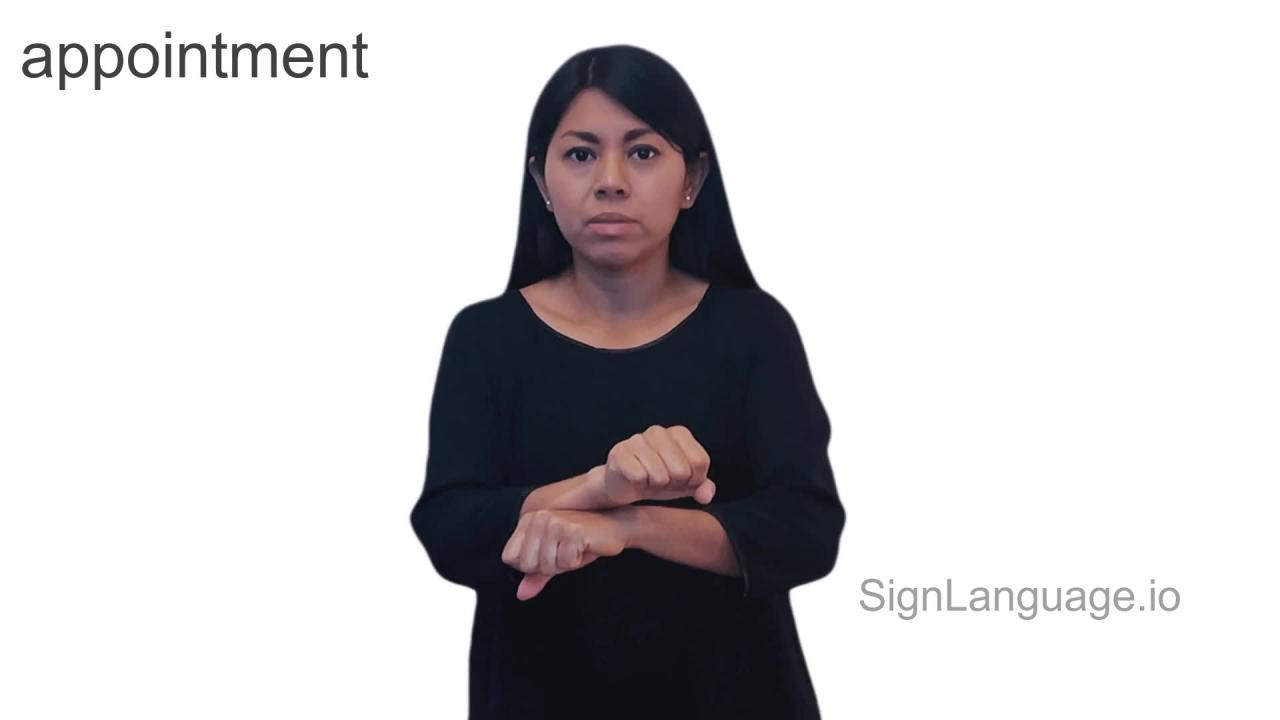
In summary, mastering basic ASL for doctor’s appointments is an invaluable skill that bridges communication gaps and promotes better health outcomes. By familiarizing yourself with essential vocabulary and communication strategies, you can ensure a more comfortable and productive healthcare experience. We encourage you to continue exploring resources and practicing these vital signs to further enhance your ability to communicate your medical needs with confidence and clarity.