How to Show Respect Within the Deaf Community invites you to embark on a journey of understanding and appreciation. This exploration delves into the heart of Deaf culture, offering insights that foster genuine connection and mutual regard. Prepare to discover the essential elements that contribute to a respectful and inclusive environment.
This guide provides a comprehensive overview of the principles, communication etiquette, and social considerations crucial for interacting respectfully with Deaf individuals. By understanding the unique linguistic and cultural landscape of the Deaf community, we can navigate interactions with greater awareness and sensitivity. We will cover everything from initiating conversations and valuing Deaf identity to respecting personal space and supporting Deaf allies.
Understanding the Nuances of Respect in the Deaf Community

Respect within the Deaf community is a multifaceted concept deeply rooted in shared experiences, cultural identity, and historical struggles. It extends beyond mere politeness and encompasses a profound recognition of Deaf individuals as autonomous beings with their own distinct culture and language. Understanding these underlying principles is crucial for fostering genuine and meaningful interactions.The Deaf community is not simply a group of people who share a hearing loss; it is a vibrant cultural and linguistic minority with its own unique traditions, values, and social norms.
This distinction is fundamental to understanding how respect is expressed and perceived. When engaging with the Deaf community, it is essential to acknowledge and honor this cultural identity, recognizing that their ways of communicating and interacting may differ significantly from those of the hearing world.
Fundamental Principles of Respect
The core tenets of respect in the Deaf community revolve around recognition, autonomy, and inclusion. These principles are not abstract ideals but are actively practiced in daily interactions.
- Visual Communication: Prioritizing visual communication methods, such as sign language, is paramount. This means ensuring that communication is accessible and that attention is gained appropriately before speaking or signing.
- Self-Advocacy: Respecting an individual’s right and ability to advocate for their own needs and preferences is highly valued. This includes allowing Deaf individuals to lead communication and make decisions about their own accommodations.
- Inclusion and Participation: Ensuring that Deaf individuals are fully included in conversations and activities, without being spoken over or having decisions made for them, is a key indicator of respect.
- Valuing Deaf Identity: Recognizing and celebrating Deafness as a cultural identity, rather than a deficit, is a cornerstone of respect. This involves appreciating the richness of Deaf culture and its contributions.
Historical Context Shaping Respect
The historical trajectory of the Deaf community has profoundly influenced the current understanding and practice of respect. Centuries of marginalization, audism (discrimination against Deaf people), and attempts to “cure” deafness have instilled a strong sense of collective identity and a vigilant approach to maintaining cultural integrity.
“The fight for recognition and equality has forged a deep understanding of what it means to be truly respected.”
Early educational institutions, often driven by oralist philosophies that suppressed sign language, created significant challenges. The resistance to these approaches and the subsequent preservation and promotion of sign languages like American Sign Language (ASL) highlight a historical struggle for cultural survival and autonomy. This history informs the current emphasis on respecting Deaf individuals’ communication preferences and their right to use their natural language.
Common Misconceptions About Respect
Misunderstandings about respect often arise from a lack of familiarity with Deaf culture and its unique communication styles. These misconceptions can inadvertently lead to disrespect.
- Assuming Inability: A common misconception is that Deaf individuals are inherently less capable or intelligent due to their hearing status. This audist bias leads to underestimation and patronizing behavior.
- Speaking Loudly or Slowly: While well-intentioned, speaking loudly or enunciating excessively does not aid lip-reading for most Deaf individuals and can be perceived as condescending. Clear, natural speech is generally more effective.
- Over-reliance on Written Notes: While written communication can be a useful tool, it should not be the sole or primary method of communication. It can be slower and less nuanced than sign language, and it doesn’t acknowledge the linguistic capabilities of Deaf individuals.
- Interpreting Silence as Disinterest: In a visual language, silence can be a natural part of turn-taking or a moment for processing information, rather than a sign of disengagement.
Recognizing Deaf Culture as Distinct from Hearing Culture
Deaf culture is a distinct and rich cultural entity with its own language, social norms, values, and traditions. It is not merely a subset of hearing culture adapted for individuals with hearing loss. This recognition is foundational to showing genuine respect.Deaf culture has developed its own unique ways of storytelling, humor, social etiquette, and artistic expression. For instance, the concept of “Deaf Time” refers to a more relaxed and flexible approach to punctuality, often prioritizing the completion of a conversation or interaction over strict adherence to a clock.
Similarly, visual aesthetics play a significant role, influencing everything from art to the design of communication spaces. Understanding these cultural nuances allows for more empathetic and respectful engagement, moving beyond a hearing-centric perspective.
Effective Communication Etiquette
Establishing clear and respectful communication is fundamental to fostering positive interactions within the Deaf community. This involves understanding and practicing specific etiquette that acknowledges the unique communication preferences and needs of Deaf individuals. By adopting these practices, you demonstrate genuine respect and facilitate smoother, more meaningful exchanges.This section Artikels key principles and practical approaches for effective communication, ensuring that your interactions are both considerate and productive.
Initiating Communication with Deaf Individuals
Approaching a Deaf person for communication requires a mindful and respectful initial contact. The goal is to gain their attention and signal your intention to communicate without causing undue surprise or discomfort.When initiating contact, it’s important to be aware of their current activity and environment. Avoid sudden or startling methods. Instead, opt for approaches that are visible and allow them to acknowledge you at their own pace.
Methods for Gaining Attention Respectfully
There are several effective and respectful ways to get the attention of a Deaf individual. The choice of method often depends on the distance between you and the person, as well as the surrounding environment.
- Visual Signals: Gently waving your hand in their peripheral vision is a common and effective method. This should be done from a distance where they can easily see you without being startled.
- Gentle Tapping: If visual signals are not feasible, a light tap on the shoulder or upper arm can be used. This should be done with minimal force to avoid causing alarm.
- Vibrations: In certain settings, such as a shared table, stomping lightly on the floor can create vibrations that can be felt and alert the person to your presence.
- Light Flashing: If you are in a room with controllable lighting, briefly flashing the lights can be an effective way to get attention from a distance.
- Third-Party Assistance: If you are with someone who knows the Deaf individual, they can help facilitate an introduction or signal your presence.
Appropriate Use of Sign Language and Interpreters
The use of sign language and professional interpreters are crucial tools for effective communication. Understanding when and how to use them demonstrates a commitment to inclusivity and accessibility.Sign language is the primary language for many in the Deaf community. While not everyone in the Deaf community uses sign language, and proficiency varies greatly, showing an effort to use basic signs or understanding of Deaf culture is often appreciated.
When complex or professional communication is required, engaging a qualified sign language interpreter is essential.
- Sign Language Proficiency: If you have some knowledge of sign language, use it to the best of your ability. Even a few basic signs can convey respect and a willingness to connect. However, be mindful of your fluency and avoid overestimating your abilities, as this can lead to misunderstandings.
- When to Use an Interpreter: Professional interpreters are vital for ensuring accurate and complete communication in situations such as medical appointments, legal proceedings, educational settings, or important meetings. Their role is to facilitate communication between individuals who do not share a common language, ensuring that both parties understand each other fully.
- Working with an Interpreter: When an interpreter is present, communicate directly with the Deaf person, not with the interpreter. Maintain eye contact with the Deaf individual. Speak clearly and at a natural pace. Allow the interpreter time to voice or sign your message.
- Respecting Interpreter’s Role: Interpreters are neutral conduits of communication. They do not interpret opinions or add their own thoughts. Their focus is on conveying the message accurately and impartially.
Direct Communication Versus Using Intermediaries
Choosing between direct communication and using intermediaries has significant implications for clarity, respect, and relationship building.Direct communication, when possible, is generally preferred as it fosters a more personal connection and ensures that messages are conveyed without alteration. However, intermediaries can be necessary when language barriers or other communication challenges exist.
- Direct Communication: This involves communicating directly with the Deaf individual using their preferred method, whether it’s sign language, written notes, or assistive technology. It is generally the most efficient and respectful approach when feasible, as it minimizes the risk of misinterpretation and builds rapport.
- Using Intermediaries: Intermediaries, such as interpreters or communication facilitators, are valuable when direct communication is not possible or effective. Their role is to bridge communication gaps. While essential in many situations, relying solely on intermediaries for casual interactions can sometimes create a distance between individuals.
- When to Choose: For casual conversations or when both parties have a shared communication method (e.g., basic sign language, written notes), direct communication is ideal. For formal discussions, complex information exchange, or when there’s a significant communication gap, using a qualified interpreter is the most appropriate and respectful choice.
Ensuring Clear Understanding During Conversations
Achieving clarity and ensuring mutual understanding is paramount in any communication, especially within the Deaf community where communication methods can differ. This requires active listening, confirmation, and a willingness to adapt.It is essential to be proactive in checking for comprehension and to provide opportunities for the other person to do the same. This collaborative approach minimizes misunderstandings and builds confidence in the communication process.
- Confirmation and Clarification: Regularly check for understanding by asking clarifying questions or summarizing what you believe has been communicated. For example, you might ask, “Did I understand correctly that you are suggesting X?” or “So, to confirm, the next step is Y.”
- Encouraging Questions: Create an environment where the other person feels comfortable asking questions. You can explicitly state, “Please let me know if anything is unclear” or “Don’t hesitate to ask if you need me to repeat or explain something differently.”
- Visual Aids and Written Notes: Supplement verbal or signed communication with visual aids, gestures, or written notes when appropriate. This can be particularly helpful for conveying complex information or ensuring accuracy.
- Patience and Repetition: Be prepared to repeat information or explain it in different ways if it is not understood. Patience is key, and a willingness to rephrase demonstrates your commitment to clear communication.
- Observing Non-Verbal Cues: Pay attention to the other person’s non-verbal cues, such as facial expressions and body language, which can provide insights into their level of understanding or engagement.
Valuing Deaf Identity and Experiences
The Deaf community is a vibrant and diverse linguistic and cultural minority, united by shared language, experiences, and a unique worldview. Recognizing and respecting this identity is fundamental to fostering genuine inclusion and understanding. This section delves into the core aspects of Deaf identity and the lived realities of its members, highlighting the importance of acknowledging their history, achievements, and the ongoing challenges they navigate.Understanding the Deaf community as a linguistic and cultural minority is crucial.
Unlike many other minority groups defined by ethnicity or geography, the Deaf community is primarily defined by a shared language – Sign Language – and the cultural norms that have developed around it. This shared language is not merely a communication tool; it is the foundation of Deaf culture, shaping social interactions, artistic expression, and a collective identity. This minority status often means navigating a world designed primarily for hearing individuals, which can present unique social and systemic challenges.
The Significance of the Deaf Community as a Linguistic and Cultural Minority
The Deaf community represents a distinct linguistic and cultural group with its own history, values, and social structures. Sign Languages, such as American Sign Language (ASL) or British Sign Language (BSL), are fully developed, natural languages with their own grammar, syntax, and nuances, distinct from spoken languages. This linguistic heritage forms the bedrock of Deaf culture, fostering a strong sense of belonging and shared identity.
As a cultural minority, Deaf individuals often experience a unique set of social dynamics and may face marginalization in a predominantly hearing society. Their cultural practices, traditions, and perspectives are integral to the rich tapestry of human diversity.
Lived Experiences of Deaf Individuals
The lived experiences of Deaf individuals are incredibly diverse, shaped by factors such as when they lost their hearing, their educational background, and their engagement with the Deaf community. However, common threads often emerge. For instance, many Deaf individuals recount the challenges of navigating a world where auditory information is assumed. Imagine trying to understand a public announcement, a conversation in a crowded room, or even a fire alarm without visual cues or immediate access to interpretation.
These everyday occurrences can become significant hurdles.A common anecdote shared within the community involves the frustration of being overlooked or misunderstood in social or professional settings. A Deaf individual might be present in a meeting, but if discussions are rapid and without visual aids or interpreters, they can feel excluded. Similarly, navigating customer service interactions can be taxing if staff are not trained in basic communication strategies or if access to interpreters is not readily available.
These experiences underscore the constant need for accessibility and awareness.
The Role of Deaf Schools and Organizations in Fostering Community
Deaf schools have historically played a pivotal role in the formation and preservation of Deaf culture and community. These institutions provide a unique environment where Deaf children can learn in their native sign language, interact with peers who share similar experiences, and develop a strong sense of identity. They are often hubs for social networking, cultural exchange, and the transmission of Deaf history and values.
“Deaf schools are not just places of learning; they are incubators of Deaf identity and the heartbeats of our community.”
Similarly, Deaf organizations are vital in advocating for the rights and needs of Deaf individuals, promoting accessibility, and providing resources and support. These organizations often offer educational programs, social events, and professional development opportunities, further strengthening the bonds within the community. They act as crucial bridges between the Deaf community and the wider society, working to dismantle barriers and foster understanding.
The Importance of Acknowledging Deaf History and Achievements
Recognizing and celebrating Deaf history and the achievements of Deaf individuals is essential for validating their contributions and fostering pride within the community. Deaf history is rich with stories of innovation, resilience, and advocacy. From pioneers in education and activism to artists and scientists, Deaf individuals have made significant impacts across various fields.For example, the development and standardization of Sign Languages are monumental achievements in linguistics and communication.
The work of individuals like Laurent Clerc, who brought French Sign Language to the United States and co-founded the first permanent school for the Deaf in North America, is a cornerstone of Deaf history. More recently, Deaf actors, filmmakers, and activists have gained wider recognition, showcasing the creative talent and advocacy within the community.
Common Challenges Faced by Deaf Individuals and How Allies Can Offer Support
Deaf individuals often encounter a range of challenges in their daily lives, stemming from communication barriers, lack of accessibility, and societal misconceptions. Allies play a crucial role in mitigating these challenges and fostering a more inclusive environment.
Here is a list of common challenges and ways allies can provide support:
-
Communication Barriers: This can include difficulty understanding spoken conversations, public announcements, or media without captions.
- Ally Support: Learn basic sign language, use visual aids when communicating, ensure conversations are clear and concise, and advocate for captioning and interpreters in public spaces and workplaces.
- Limited Access to Information and Services: This ranges from inaccessible websites and emergency alerts to a lack of qualified sign language interpreters in healthcare or legal settings.
- Ally Support: Advocate for accessible technology and services, support organizations that provide interpretation services, and ensure information is presented in multiple formats.
- Social Isolation and Misunderstanding: Due to communication challenges and societal attitudes, some Deaf individuals may experience feelings of isolation or be subjected to stereotypes.
- Ally Support: Actively engage with Deaf individuals, be open to learning about their experiences, challenge misconceptions and stereotypes when you encounter them, and foster inclusive social environments.
- Educational and Employment Disparities: Historically, Deaf individuals have faced barriers in accessing quality education and equitable employment opportunities.
- Ally Support: Champion inclusive educational practices, advocate for reasonable accommodations in the workplace, and support Deaf-owned businesses and professionals.
- Lack of Recognition of Deaf Identity: Some may not fully grasp that Deafness is a cultural and linguistic identity, not just a medical condition.
- Ally Support: Educate yourself and others about Deaf culture and identity, respect the use of Sign Language, and acknowledge the validity and richness of the Deaf community’s experiences.
Navigating Social Interactions
Successfully integrating into social settings within the Deaf community involves understanding and practicing specific communication and etiquette norms. These interactions are built on a foundation of mutual respect, visual awareness, and a shared understanding of Deaf culture. By observing and adopting these practices, individuals can foster positive relationships and demonstrate genuine consideration.This section explores key aspects of social interaction, from offering help to participating in group conversations, ensuring a smooth and respectful experience for everyone involved.
Offering Assistance Respectfully
When offering assistance to a Deaf individual, it is crucial to do so in a way that is helpful without being intrusive. The approach should be considerate of their independence and preferences.
Consider the following scenario:
Sarah notices a Deaf person, Mark, struggling to carry a few bags while trying to open a door. Instead of immediately grabbing the bags, Sarah approaches Mark, makes eye contact, and signs, “Do you need help with those?” If Mark nods or signs yes, Sarah then asks, “May I hold the door for you?” This allows Mark to accept or decline assistance and specifies the type of help offered, respecting his autonomy.
Eye Contact and Visual Awareness
In Deaf communication, eye contact is not just about politeness; it is a vital component of connection and information exchange. Maintaining visual awareness ensures that communication flows smoothly and that no one is inadvertently excluded.
Visual awareness extends beyond direct eye contact to encompass the surrounding environment. This includes being mindful of:
- Not blocking someone’s line of sight when they are communicating.
- Noticing when someone is trying to get your attention from your peripheral vision.
- Being aware of visual cues like gestures, facial expressions, and environmental signals.
Interrupting or Joining Group Conversations
Joining or interrupting a conversation within the Deaf community requires a different approach than in hearing communities. The goal is to signal your intention to participate without disrupting the existing flow of communication.
The appropriate method often involves a gentle tap on the shoulder or arm to gain visual attention. Once you have their attention, you can use a questioning facial expression or a simple sign like “wait” or “question” to indicate you wish to join. If the conversation is in sign language, it is also common to wait for a natural pause or for one of the participants to acknowledge your presence and invite you to join.
Participating in Social Gatherings and Events
Social gatherings and events are opportunities to connect and engage. Being prepared and mindful of communication needs can significantly enhance your experience and that of others.
Tips for successful participation include:
- Arriving with an open mind and a willingness to learn.
- Positioning yourself where you can see most participants clearly.
- Utilizing visual aids or written notes if necessary for complex discussions.
- Being patient and understanding if communication takes more time.
- Fostering an inclusive atmosphere by encouraging participation from all.
Respectful Engagement in Public Spaces: Do’s and Don’ts
Navigating public spaces requires an awareness of how to interact respectfully with Deaf individuals, ensuring that communication barriers are minimized and that everyone feels included.
Here is a set of guidelines:
| Do’s | Don’ts |
|---|---|
| Make eye contact to initiate communication. | Assume someone can read your lips without confirming. |
| Use clear and concise gestures and signs. | Speak loudly when trying to communicate with a Deaf person. |
| Be patient and willing to repeat or rephrase. | Turn your back while someone is signing to you. |
| Use visual cues and written notes when appropriate. | Exclude Deaf individuals from conversations or activities. |
| Respect personal space and communication preferences. | Tap aggressively or grab attention forcefully. |
Respecting Deaf Space and Autonomy
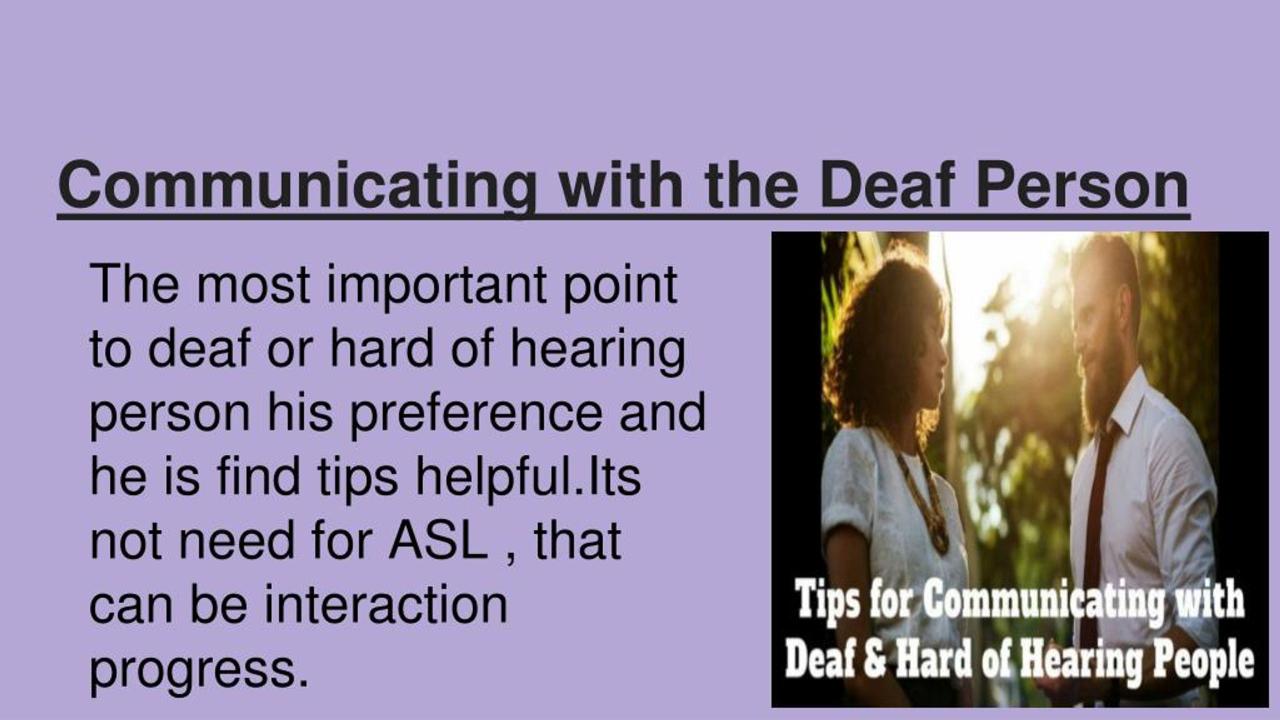
Respecting the personal space and autonomy of Deaf individuals is fundamental to fostering positive and inclusive interactions. This involves understanding their unique communication needs and preferences, and actively ensuring their participation and comfort. It’s about acknowledging that Deaf individuals, like all people, have a right to control their environment and how they are engaged with.The Deaf community often has a heightened awareness of their surroundings due to reliance on visual cues.
This can translate into a distinct understanding of personal space and visual boundaries. Recognizing and honoring these boundaries is a sign of deep respect.
Personal Space and Visual Boundaries
Within the Deaf community, personal space is often understood through a visual lens. This means that proximity, the ability to see and be seen, and the absence of sudden movements or interruptions are key components of feeling comfortable and respected. Individuals may prefer to be approached from their line of sight to avoid startling them, and extended eye contact can be a sign of engagement and respect, rather than an intrusion.It is important to be mindful of the physical space you occupy when interacting with Deaf individuals.
Avoid standing too close if it feels intrusive, and always ensure you are within their visual field if you are trying to communicate. When in a group setting, be aware of who can see whom, and try to position yourself and others to facilitate clear visual communication for everyone.
Obtaining Consent for Recording or Photography
Recording or photographing Deaf individuals without their explicit consent is a significant breach of privacy and autonomy. Their visual communication can be deeply personal, and the act of being recorded without permission can feel like an invasion. Always ask for permission before taking any photos or videos, and be prepared to accept a “no” gracefully.When asking for consent, use clear and direct visual cues or written communication.
A simple hand gesture indicating a camera or phone, followed by a questioning expression, can be understood. If using written communication, ensure it is clear and unambiguous. Respect their decision if they decline, and do not proceed with recording or photography.
Approaching and Interacting in Their Environment
Approaching Deaf individuals in their preferred environment requires sensitivity and an understanding of their communication methods. If you are entering a space where Deaf individuals are communicating, observe their interactions first. Avoid interrupting their flow of conversation unless necessary.When you are ready to interact, a gentle tap on the shoulder or a wave in their peripheral vision can be effective ways to get their attention without startling them.
Once you have their attention, make sure they can see your face and your communication method clearly. If you are not fluent in sign language, be prepared to use writing, gestures, or a communication app.
Avoiding Inadvertent Exclusion
It is crucial to be vigilant in ensuring that Deaf individuals are not inadvertently excluded from discussions or activities. This requires conscious effort and a proactive approach to communication. Misunderstandings or lack of awareness can easily lead to isolation, which is detrimental to inclusivity.Consider the following strategies to prevent exclusion:
- When in a group conversation, ensure that the speaker turns their head and body towards the Deaf individual when addressing them.
- Avoid whispering or speaking to someone else in the Deaf person’s presence without including them in the conversation.
- If a discussion is happening in a language the Deaf individual does not understand, ensure there is an interpreter or a readily available method for them to receive the information.
- Be mindful of the pace of conversations and allow for pauses to accommodate signing or written communication.
- Actively solicit their input and opinions, ensuring they have opportunities to contribute.
Understanding and Respecting Individual Preferences
Just as hearing individuals have diverse communication styles and preferences, so do Deaf individuals. Respecting these individual differences is paramount. What works for one Deaf person may not work for another.A framework for understanding and respecting these preferences involves:
- Active Listening and Observation: Pay close attention to how a Deaf individual communicates and what makes them comfortable. Observe their body language and their methods of engagement.
- Direct Inquiry: When appropriate and with sensitivity, ask about their preferred communication methods. For example, “How do you prefer to communicate?” or “Is it okay if I write this down for you?”
- Flexibility and Adaptability: Be willing to adapt your communication style to meet their needs. This might involve learning a few basic signs, using a whiteboard, or utilizing technology.
- Patience: Communication can take more time and effort. Be patient and allow ample time for understanding and response.
- Respecting Autonomy: Ultimately, respect their right to choose how they communicate and interact. Do not impose your preferred methods on them.
Showing Support as an Ally
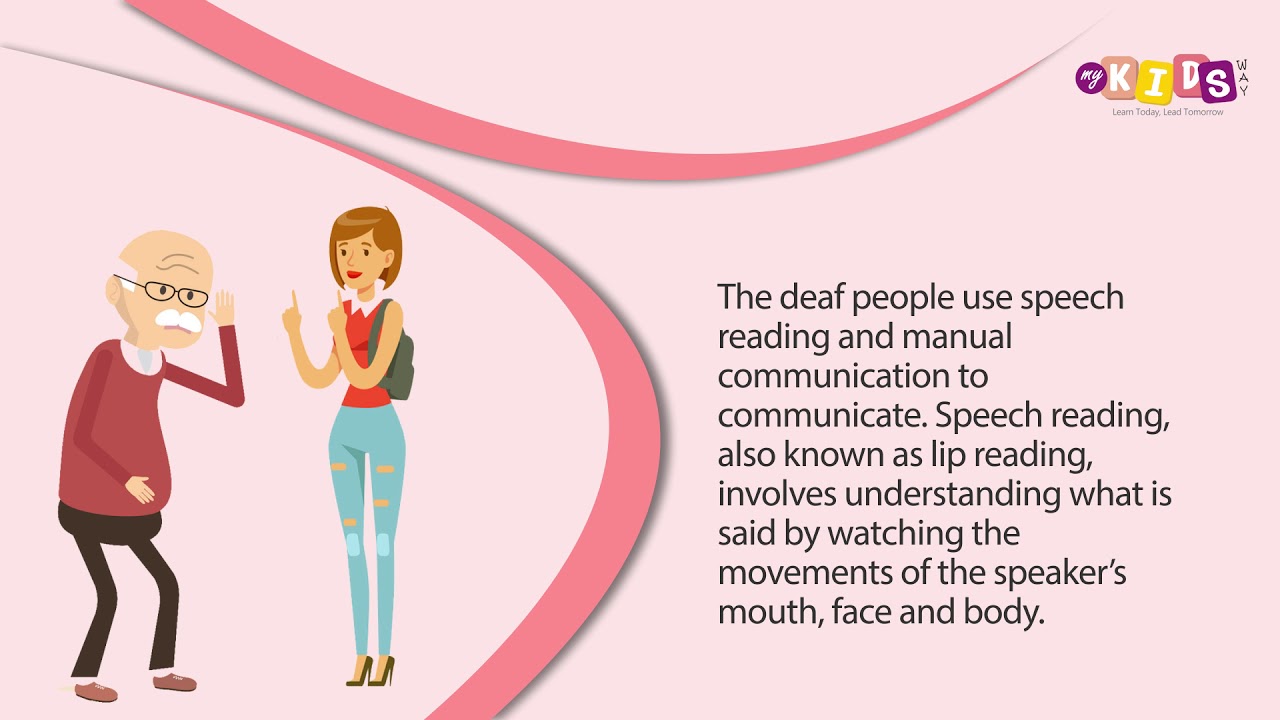
Becoming an effective ally to the Deaf community involves a commitment to learning, advocacy, and respectful interaction. It’s about understanding that allyship is an ongoing process of education and action, aimed at fostering a more inclusive and accessible world for Deaf individuals. This section Artikels practical ways to engage as an ally, from deepening your knowledge to actively championing Deaf rights.An ally actively seeks to understand and uplift the Deaf community.
This goes beyond passive acknowledgment to proactive engagement, ensuring that the voices and needs of Deaf people are heard and prioritized. By embracing continuous learning and taking concrete steps, allies can significantly contribute to dismantling barriers and promoting genuine equality.
Learning About Deaf Culture and Sign Language
To effectively support the Deaf community, a foundational understanding of Deaf culture and its rich linguistic heritage is essential. This knowledge empowers allies to engage respectfully and meaningfully.Actionable steps for learning include:
- Engage with resources: Seek out books, documentaries, and articles written by Deaf creators that explore Deaf history, values, and social dynamics.
- Learn sign language: Enroll in sign language classes, preferably taught by Deaf instructors. Even basic proficiency can significantly improve communication and demonstrate respect.
- Attend Deaf events: Participate in community events, workshops, and cultural gatherings organized by or for the Deaf community. This provides invaluable firsthand experience and opportunities for interaction.
- Follow Deaf creators and advocates: Engage with Deaf individuals on social media platforms and other online spaces. Their perspectives offer direct insights into their lived experiences and priorities.
Resources for Further Education on Deaf Issues and Advocacy
Continuous learning is crucial for effective allyship. A variety of resources can deepen your understanding of the challenges and triumphs within the Deaf community and inform your advocacy efforts.Reliable resources for further education include:
- National Association of the Deaf (NAD): The NAD offers extensive information on Deaf rights, legislation, and advocacy campaigns. Their website is a primary source for understanding policy issues.
- World Federation of the Deaf (WFD): This international organization provides global perspectives on Deaf issues, human rights, and sign language recognition.
- Deaf-led organizations and advocacy groups: Many local and national organizations are led by Deaf individuals and are dedicated to specific advocacy areas, such as education, employment, or accessibility. Researching and connecting with these groups is highly beneficial.
- Academic research and publications: University departments focusing on Deaf studies, linguistics, and disability studies often publish valuable research that sheds light on complex issues.
The Role of Allies in Promoting Inclusivity and Accessibility
Allies play a vital role in bridging gaps and creating environments where Deaf individuals can fully participate. Their actions can amplify Deaf voices and drive systemic change.The role of allies involves:
- Educating others: Allies can share their knowledge about Deaf culture and issues with their own networks, dispelling myths and promoting understanding.
- Championing accessibility: Advocate for accessible communication in public spaces, workplaces, and educational institutions. This includes ensuring the availability of sign language interpreters, captioning, and visual aids.
- Supporting Deaf-led initiatives: Offer tangible support, such as volunteering time, donating to Deaf-led organizations, or promoting their events and services.
- Challenging audism: Actively confront audism, which is discrimination or prejudice against Deaf or hard-of-hearing people, in all its forms, whether overt or subtle.
Advocating for the Rights and Needs of the Deaf Community
Effective advocacy requires a deep understanding of the specific rights and needs of the Deaf community. Allies can use their influence to support legislative efforts, policy changes, and the promotion of equitable opportunities.Ways to advocate include:
- Contacting elected officials: Write letters, send emails, or make phone calls to representatives to express support for legislation that benefits the Deaf community, such as those related to communication access or education.
- Participating in campaigns: Join or initiate advocacy campaigns focused on specific issues, such as the need for more qualified sign language interpreters or improved captioning standards.
- Promoting inclusive hiring practices: Encourage employers to adopt inclusive hiring processes that are accessible to Deaf candidates and to provide necessary accommodations.
- Supporting legal challenges: Advocate for and support legal actions that challenge discriminatory practices and uphold the rights of Deaf individuals.
Using Inclusive Language When Referring to Deaf People
The language we use has a significant impact on how individuals are perceived and treated. Adopting inclusive language is a fundamental aspect of showing respect and acknowledging Deaf identity.It is important to use language that:
- Prioritizes identity-first language: Many in the Deaf community prefer “Deaf” (capitalized) as an adjective indicating cultural affiliation and pride, rather than “deaf” (lowercase) which may refer to the audiological condition. It is always best to ask an individual how they prefer to be identified.
- Avoids ableist terms: Refrain from using terms that pathologize or stigmatize Deafness, such as “hearing impaired” which can be seen as focusing on a perceived deficit.
- Respects terminology: Understand and use terms like “sign language” instead of “signing” or “gestures” to accurately represent the linguistic nature of these communication forms.
- Focuses on communication access: Frame discussions around communication access and effective communication methods rather than deficits in hearing.
“Language is the road map of a culture. It tells you where its people come from and where they are going.”Rita Mae Brown. This sentiment is particularly relevant to the Deaf community, where sign language is a cornerstone of culture and identity.
Cultural Considerations in Different Settings
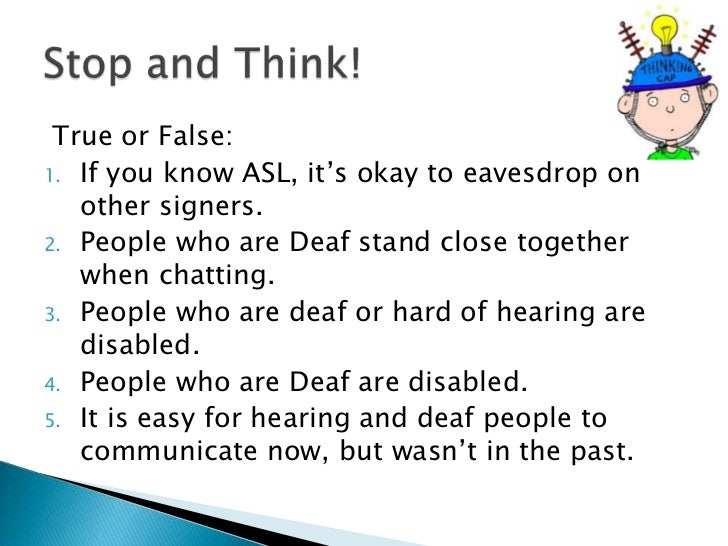
Understanding and demonstrating respect within the Deaf community is a dynamic process that adapts to various contexts. Just as in the hearing world, the manner in which respect is conveyed can differ significantly between formal and informal situations, professional and social environments, and even in how gratitude is expressed. Recognizing these nuances is crucial for fostering genuine connection and understanding.This section delves into the cultural considerations that shape respectful interactions in diverse settings within the Deaf community.
By exploring these distinctions, we can better navigate various scenarios with sensitivity and awareness.
Respectful Communication in Formal vs. Informal Settings
The level of formality in a setting directly influences communication styles and expectations for respect within the Deaf community. In formal environments, such as professional meetings, academic lectures, or official ceremonies, clarity, precision, and adherence to established protocols are paramount. Communication often involves interpreters, and the expectation is for all participants to engage in a structured and organized manner. This might include pre-arranged communication methods, clear turn-taking, and a focus on conveying information efficiently and accurately.Conversely, informal settings, like casual gatherings, family events, or social outings, allow for more relaxed and fluid communication.
While still prioritizing clarity and understanding, the emphasis shifts towards personal connection, shared experiences, and relationship building. Gestures may be more expressive, humor can be more prevalent, and the pace of communication might be more conversational. The key is to remain adaptable and responsive to the communication flow, ensuring everyone feels included and valued, regardless of the setting’s structure.
Demonstrating Respect in Professional vs. Social Environments
The distinction between professional and social environments highlights how respect is manifested differently. In professional settings, respect is often demonstrated through competence, reliability, and a commitment to shared goals. This includes valuing the expertise of Deaf colleagues, ensuring equal access to information and opportunities, and using appropriate communication accommodations, such as providing sign language interpreters for meetings or ensuring written materials are accessible.
Professional respect is built on a foundation of mutual recognition of skills and contributions.In social environments, respect is more about personal connection, empathy, and genuine interest in the other person’s experiences. This can involve actively seeking to understand Deaf culture, participating in social events with an open mind, and showing appreciation for Deaf traditions and perspectives. It’s about fostering a sense of belonging and valuing individuals for who they are, beyond their professional roles.
Social respect often involves shared activities, reciprocal engagement, and a willingness to learn and grow together.
Cultural Nuances of Gift-Giving and Expressing Gratitude
Expressing gratitude and the act of gift-giving within the Deaf community can carry specific cultural weight. While the sentiment of appreciation is universal, the form it takes may be influenced by Deaf cultural norms. In some instances, a sincere and direct expression of thanks, perhaps through a thoughtful sign, a heartfelt note, or a meaningful gesture, might be more valued than a material gift.When gifts are exchanged, cultural considerations might involve thoughtfulness and personal connection.
A gift that reflects an understanding of the recipient’s interests, cultural background, or a shared experience often holds greater significance. It’s important to be mindful of the context and the relationship when offering a gift, ensuring it is perceived as a genuine token of appreciation rather than an obligation. Observing how gratitude is typically expressed within the specific Deaf circles you are interacting with can provide valuable insight.
Respecting Deaf Traditions and Celebrations
Deaf culture is rich with traditions, celebrations, and unique ways of marking significant events. Respecting these traditions involves actively seeking to understand and participate with cultural sensitivity. This might include learning about specific Deaf holidays, understanding the significance of particular ceremonies, or recognizing the importance of Deaf community gatherings.For example, Deaf celebrations often have a strong visual component, incorporating sign language performances, visual storytelling, and unique artistic expressions.
Attending these events with an open mind, a willingness to learn, and a respectful demeanor is key. It’s about showing that you value their heritage and are genuinely interested in being a part of their cultural tapestry, rather than simply observing from the outside.
Understanding and Respecting Varying Levels of Audism
Audism, prejudice or discrimination against deaf and hard of hearing people, can manifest in various forms and at different levels. Understanding these nuances is critical for respectful interaction.
- Overt Audism: This is the most obvious form, involving explicit negative attitudes, discriminatory practices, or derogatory language directed towards Deaf individuals. It might include making assumptions about their capabilities based on their hearing status or mocking their communication methods.
- Subtle Audism: This is often unconscious and can be more insidious. It might involve speaking to a Deaf person as if they were a child, assuming they need extra help without asking, or consistently speaking over them in group settings. It can also manifest as a lack of effort in communication, such as not facing the Deaf person when speaking or speaking too quickly.
- Internalized Audism: This refers to the adoption of audist beliefs by Deaf or hard of hearing individuals themselves, often due to societal pressures. It can lead to a sense of shame or inadequacy regarding their Deaf identity or communication preferences.
- Systemic Audism: This is embedded within societal structures and institutions, leading to policies or practices that disadvantage Deaf individuals. Examples include lack of accessibility in public spaces, educational systems that do not fully support Deaf students, or workplaces that do not provide necessary accommodations.
Respecting varying levels of audism involves acknowledging its presence, challenging audist behaviors and attitudes when appropriate, and advocating for inclusive practices. It requires a continuous learning process and a commitment to dismantling audist systems and fostering a more equitable environment for all.
Outcome Summary
In conclusion, demonstrating respect within the Deaf community is an ongoing practice rooted in awareness, empathy, and a commitment to inclusivity. By embracing the nuances of Deaf culture, practicing effective communication, and valuing individual experiences, we can build stronger, more supportive relationships. May this guide empower you to engage with the Deaf community in ways that are both meaningful and deeply respectful, fostering a shared sense of belonging and understanding.