Beginning with How to Describe Different Types of Transportation, this exploration delves into the fascinating world of how we move, from the familiar rumble of a bus to the silent glide of a spacecraft. We will uncover the essential elements that paint a vivid picture of any journey, categorizing the diverse ways humanity traverses the globe and beyond.
This guide will equip you with the vocabulary and understanding to articulate the nuances of personal vehicles, public transit systems, the vast network of waterways, the boundless skies, and even the frontiers of space exploration. We will examine the infrastructure that supports each mode and craft descriptive passages that bring these experiences to life.
Understanding the Core Concepts of Describing Transportation
Describing transportation effectively involves capturing its essence, function, and impact. It’s about more than just naming a vehicle; it’s about conveying how it moves people or goods, where it operates, and what characteristics define its use. This foundational understanding allows for clear and precise communication about the diverse world of travel and logistics.The purpose of categorizing different forms of movement is to organize and differentiate them based on shared characteristics, such as their medium of travel, capacity, speed, or environmental impact.
This categorization helps in analysis, planning, and selection of appropriate transport modes for specific needs, whether for personal travel, public transit, or freight delivery.
Fundamental Elements of Transportation Description
When describing any mode of transport, several core elements come into play. These elements provide a comprehensive picture, allowing anyone to understand its basic function and operational context.The essential components of a transportation description include:
- Mode of Transport: The general category the vehicle belongs to (e.g., land, air, water, rail).
- Vehicle Type: The specific name of the vehicle (e.g., car, airplane, ship, train).
- Purpose: What the vehicle is primarily used for (e.g., personal travel, cargo transport, public commuting, emergency services).
- Medium of Travel: The environment in which it operates (e.g., roads, skies, waterways, tracks).
- Propulsion System: How the vehicle is powered (e.g., internal combustion engine, electric motor, sails, jet engine).
- Capacity: The number of passengers or the volume/weight of cargo it can carry.
- Speed and Range: Typical operating speeds and the distance it can travel without refueling or recharging.
- Infrastructure Requirements: The supporting systems needed for its operation (e.g., roads, airports, ports, railway lines).
Purpose of Categorizing Transportation Forms
Categorizing transportation modes serves critical functions in various sectors, from urban planning to global trade. It provides a structured framework for understanding, comparing, and managing the movement of people and goods efficiently and sustainably.The primary purposes of categorizing transportation include:
- Comparative Analysis: Allowing for direct comparison of different modes based on criteria like cost, speed, environmental footprint, and accessibility.
- Resource Allocation: Guiding investment in infrastructure and technology for specific transport types.
- Policy Development: Informing the creation of regulations, safety standards, and development strategies.
- Operational Efficiency: Optimizing logistics and route planning by understanding the strengths and limitations of each category.
- Environmental Impact Assessment: Facilitating the study and mitigation of the environmental consequences associated with different transport methods.
Common Vocabulary for Vehicles and Their Functions
A rich vocabulary is essential for articulating the nuances of different transportation types. Understanding these terms allows for precise and descriptive communication about vehicles and their operational capabilities.Commonly used vocabulary includes terms related to the vehicle’s structure, operation, and performance:
- Vehicle Components: Engine, chassis, wings, hull, cabin, cockpit, wheels, propeller, rudder.
- Movement Verbs: Cruise, fly, sail, drive, accelerate, decelerate, navigate, taxi, drift.
- Performance Descriptors: Aerodynamic, efficient, powerful, swift, sluggish, maneuverable, stable.
- Capacity Terms: Passenger capacity, cargo hold, payload, seating arrangement, berths.
- Operational Context: Commute, transit, haulage, shipment, expedition, journey, voyage.
To illustrate, when discussing an airplane, one might use terms like “aerodynamic fuselage,” “powerful jet engines,” “cruising altitude,” and “passenger capacity.” For a cargo ship, terms such as “vast hull,” “heavy payload,” “slow but steady progress,” and “navigational charts” would be appropriate.
Describing Land Transportation: Vehicles and Infrastructure
Land transportation forms the backbone of our daily commutes and global commerce, connecting communities and facilitating the movement of people and goods across the Earth’s surface. Understanding how to describe these systems involves delving into the types of vehicles used, their operational characteristics, and the essential infrastructure that supports them. This section will explore the nuances of describing personal and public land transport, alongside the critical elements of the environments in which they operate.Describing land transportation requires an appreciation for both the individual machines that move us and the pathways they traverse.
From the intimate experience of piloting a personal vehicle to the shared journey on a public transit system, each mode offers unique characteristics that can be articulated through descriptive language. Furthermore, the infrastructure—roads, rails, and terminals—plays an equally vital role in shaping the experience and efficiency of land travel.
Personal Land Vehicles
Personal land vehicles, such as cars and motorcycles, offer individuals a high degree of autonomy and flexibility in their travel. Their description often centers on their design, performance capabilities, and the personal experience they provide.Cars are characterized by their enclosed cabins, providing shelter from the elements and a private space for passengers. Descriptions can highlight their engine size and power, fuel efficiency, interior comfort features, safety systems (like airbags and anti-lock brakes), and aesthetic design.
For instance, a sports car might be described as having a low profile, aerodynamic lines, and a powerful engine for exhilarating acceleration, while an SUV might be noted for its robust build, higher ground clearance, and spacious interior suitable for families and cargo.Motorcycles, in contrast, offer a more direct and open-air riding experience. Their descriptions often focus on their agility, speed, and the sense of freedom they impart.
Key characteristics include engine displacement (measured in cubic centimeters), braking systems, suspension types, and the rider’s posture. A sportbike might be described as having an aggressive riding position and sharp handling, ideal for spirited riding, whereas a touring motorcycle would be characterized by its comfortable seating, large fuel tank, and storage capacity for long-distance journeys.
Public Land Transport Systems
Public land transport systems are designed to move a larger number of people efficiently along fixed routes, playing a crucial role in urban mobility and reducing individual vehicle dependency. Their descriptions typically emphasize capacity, service frequency, accessibility, and operational efficiency.Buses are a ubiquitous form of public land transport, characterized by their wheeled design and operation on roadways. Descriptions can detail their seating capacity, accessibility features for passengers with disabilities (such as ramps or lifts), engine type (diesel, hybrid, or electric), and amenities like air conditioning or Wi-Fi.
Different types of buses exist, from standard city buses to articulated buses for higher capacity routes and express buses that make fewer stops.Trains operate on dedicated railway tracks, offering a high-capacity and often faster mode of transport, especially for longer distances or within dense urban areas. Descriptions of trains can include the number of carriages, the type of propulsion (electric, diesel, or magnetic levitation), their speed capabilities, and passenger amenities like reclining seats, dining cars, or quiet zones.
High-speed trains are particularly noteworthy for their advanced engineering and ability to connect cities rapidly.Trams, also known as streetcars or light rail vehicles, share roadways with other traffic but often have dedicated lanes or tracks. They are typically electric-powered and designed for shorter urban routes, offering a more environmentally friendly alternative to buses and a less disruptive presence than heavy rail.
Descriptions might highlight their quiet operation, maneuverability in city environments, and their capacity for frequent stops.
Land Transportation Infrastructure
The infrastructure supporting land transportation is as critical as the vehicles themselves, dictating the flow, speed, and safety of travel. This network provides the physical pathways and operational hubs for all land-based movement.Roads are the most common form of land transportation infrastructure, ranging from multi-lane highways designed for high-speed intercity travel to smaller urban streets. Descriptions of roads can include their surface material (asphalt, concrete), number of lanes, presence of shoulders, lighting, and traffic control devices like signs and traffic signals.
The condition of the road surface, the width of lanes, and the clarity of markings significantly impact travel safety and efficiency.Railways are the dedicated pathways for trains and trams. Descriptions of railway infrastructure include the gauge of the track (the distance between the rails), the type of ballast supporting the sleepers, the presence of signaling systems, and the complexity of junctions and switches.
High-speed rail lines are engineered with straighter tracks, gentler curves, and advanced signaling to accommodate much higher speeds.Stations and terminals serve as crucial nodes within the land transportation network, facilitating the boarding and alighting of passengers and the loading and unloading of goods. Descriptions can detail their size, architectural style, amenities offered (waiting areas, restrooms, retail outlets), accessibility features, and their connectivity to other modes of transport.
A major train station might be described as a bustling hub with multiple platforms, ticket counters, and connections to local bus services, while a small bus stop might be a simple shelter with a timetable.
Descriptive Passage: A Busy City Street Scene
The city street thrummed with a vibrant, relentless energy. Sunlight glinted off the polished chrome of a sleek black sedan as it navigated past a lumbering articulated bus, its windows filled with a mosaic of faces. A nimble scooter weaved through the gaps with practiced ease, its engine a high-pitched buzz against the deeper rumble of a delivery truck double-parked at the curb.
Pedestrians, a colorful stream of movement, flowed along the sidewalks, occasionally pausing at crosswalks where a tram, its bell chiming softly, glided silently along its tracks, its electric hum barely audible above the urban symphony. The air was a mixture of exhaust fumes, distant sirens, and the faint scent of street food, all underscored by the constant chorus of horns and the whoosh of passing vehicles.
The asphalt, worn smooth by countless tires, stretched ahead, a ribbon of grey punctuated by the red glow of traffic lights and the bright yellow of pedestrian crossings, a testament to the ceaseless flow of land-based life.
Describing Water Transportation
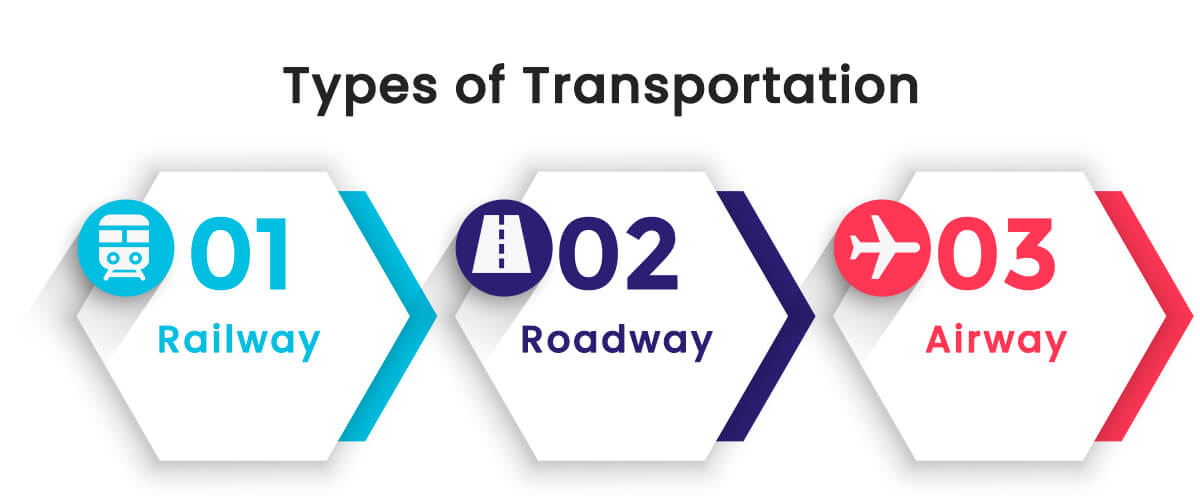
Water transportation, a cornerstone of global commerce and personal travel for millennia, encompasses a diverse array of vessels navigating through a complex network of natural and artificial waterways. Understanding how to describe these elements allows for a richer appreciation of their function, scale, and impact on human civilization and the environment.Waterways serve as the arteries through which waterborne traffic flows, while vessels are the specialized craft designed for specific purposes and environments.
The interplay between these two components forms the backbone of water transportation, facilitating the movement of people and goods across vast distances and connecting disparate regions.
Vessel Types and Their Functions
The world of watercraft is incredibly varied, ranging from simple, small craft designed for recreational or local use to massive, technologically advanced vessels engineered for heavy-duty industrial or long-haul voyages. Each type of vessel is a marvel of engineering, optimized for its intended purpose and the aquatic environment it navigates.
- Dinghy: A small, open boat, often propelled by oars or a small outboard motor. Dinghies are typically used for short distances, such as reaching a larger anchored vessel, exploring shallow waters, or as tenders for larger yachts.
- Sailboat: A vessel propelled primarily by wind acting upon sails. Sailboats vary greatly in size, from small dinghies to large yachts and racing vessels, and are used for recreation, sport, and sometimes long-distance cruising.
- Motorboat: A boat powered by an engine, ranging from small, fast recreational craft to larger vessels used for fishing, patrol, or transport.
- Yacht: A recreational boat or ship, typically privately owned and used for pleasure cruising, racing, or entertaining. Yachts can range from modest cabin cruisers to luxurious superyachts.
- Tugboat: A small, powerful boat used for maneuvering larger vessels by pushing or towing them. Tugs are essential in ports and harbors for guiding ships into berths and assisting with docking.
- Ferry: A vessel used to carry passengers, and often vehicles, across a body of water. Ferries operate on fixed routes and schedules, providing essential public transportation links between islands, across rivers, or along coastlines.
- Cargo Ship: A large vessel designed to transport bulk goods and manufactured products across oceans. These ships are the workhorses of international trade, carrying everything from raw materials to finished consumer goods. Types include container ships, bulk carriers, tankers, and general cargo ships.
- Cruise Liner: A large passenger ship primarily used for pleasure voyages. Cruise liners offer extensive amenities and entertainment, carrying thousands of passengers on itineraries that visit multiple destinations.
- Tanker: A specialized cargo ship designed to transport liquid or gaseous substances in bulk, such as oil, chemicals, or liquefied natural gas (LNG).
- Container Ship: A type of cargo ship that carries its cargo in standardized intermodal containers. This method revolutionized global trade, allowing for efficient loading, unloading, and intermodal transfer.
Waterways as Transportation Routes
The significance of water as a medium for transportation cannot be overstated. Natural waterways like rivers, lakes, and oceans, alongside human-made canals, form a vital network that underpins global commerce, connecting producers and consumers across continents.
- Rivers: Historically, rivers were the primary highways for exploration and trade. They continue to be crucial for inland transportation, particularly for bulk commodities, and often serve as borders or arteries for major cities.
- Lakes: Large lakes, such as the Great Lakes of North America, function as extensive inland seas, facilitating significant trade and transport of goods like iron ore, coal, and grain.
- Canals: These artificial waterways are engineered to connect existing bodies of water, shorten trade routes, and bypass natural obstacles. The Suez Canal and the Panama Canal are prime examples, dramatically reducing transit times and costs for global shipping.
- Oceans: Oceans are the ultimate highways of global trade, carrying the vast majority of international cargo. They connect continents and enable the movement of goods on a scale unimaginable through land or air transport alone.
The Bustling Harbor
Imagine standing at the edge of a vast, sprawling harbor at dawn. The air is thick with the briny scent of the sea, mingled with the metallic tang of industry and the faint aroma of exotic spices from distant lands. Towering cranes, like mechanical giants, stand poised, their long arms ready to lift and lower colossal containers onto the decks of immense cargo ships.
Smaller tugboats, their engines a persistent thrum, skillfully guide behemoths into their berths, their powerful wakes rippling across the water. The distant, mournful cry of a foghorn echoes across the expanse, while the cheerful chatter of dockworkers and the clatter of machinery create a symphony of ceaseless activity. Sunlight begins to glint off the polished hulls of sleek passenger ferries preparing for their daily routes, their decks already alive with the anticipation of commuters and travelers.
Everywhere, there is movement: the slow, majestic glide of a supertanker, the nimble darting of a fishing trawler, the steady progress of barges laden with goods. This is a nexus of global connection, a vibrant, ever-moving stage where the world’s commerce and journeys converge.
Describing Air Transportation: Aircraft and Airspace
Air transportation represents a pinnacle of human innovation, enabling rapid transit across vast distances. It is characterized by sophisticated vehicles that navigate the complex domain of airspace, connecting continents and cultures with unprecedented speed. Understanding air travel involves appreciating the diverse types of aircraft, the intricate systems that manage their movement, and the unique experience of flying.The realm of air transportation is defined by its unique vehicles and the invisible pathways they traverse.
These flying machines, from majestic passenger jets to nimble helicopters, are designed to overcome gravity and harness aerodynamic principles for flight. Complementing these aircraft are the essential infrastructures and operational frameworks that ensure safe and efficient journeys, including the bustling hubs of airports and the vigilant oversight of air traffic control.
Distinct Features of Aircraft
Aircraft are a diverse category of vehicles designed for flight, each with specific characteristics suited to different purposes. Their design is a testament to the principles of aerodynamics, propulsion, and structural engineering.
- Airplanes: These are fixed-wing aircraft, meaning they generate lift through the forward motion of their wings. They typically have jet engines or propellers for thrust. Airplanes are categorized by size, range, and purpose, from small private planes to large commercial airliners capable of carrying hundreds of passengers. Their streamlined bodies and wing designs are optimized for efficient travel at high altitudes and speeds.
- Helicopters: Unlike airplanes, helicopters are rotorcraft. They use rotating blades (rotors) to generate lift and thrust, allowing them to take off and land vertically (VTOL), hover, and fly in any direction. This maneuverability makes them ideal for specialized roles such as search and rescue, medical transport, and surveillance, as well as for accessing remote or confined areas where traditional runways are not available.
- Other Flying Machines: This category includes a variety of specialized aircraft. Hot air balloons and airships, for instance, utilize buoyancy for flight. Drones (Unmanned Aerial Vehicles or UAVs) are increasingly prevalent for both commercial and recreational purposes, ranging from small quadcopters to larger military surveillance models. Gliders and sailplanes rely on air currents and thermal updrafts to stay aloft, showcasing a more passive form of flight.
Operational Aspects of Air Travel
The operation of air travel is a complex, highly coordinated endeavor that relies on sophisticated infrastructure and stringent protocols to ensure safety and efficiency. Airports serve as the physical gateways for air journeys, while air traffic control manages the flow of aircraft in the skies.
Airports: Hubs of Air Travel
Airports are vital nodes in the global transportation network. They are complex facilities designed to handle the arrival and departure of aircraft, as well as the processing of passengers and cargo.
- Terminals: These are buildings where passengers check in, go through security, wait for flights, and board aircraft. They often feature a variety of amenities, including shops, restaurants, and lounges.
- Runways: These are paved strips of land where aircraft take off and land. Their length and width are determined by the types of aircraft they are designed to accommodate.
- Taxiways: These are pathways connecting runways to aprons, hangars, and terminals, allowing aircraft to move on the ground.
- Aprons (Ramp Areas): These are areas where aircraft are parked, loaded, unloaded, refueled, and maintained.
- Air Traffic Control (ATC) Towers: These structures provide a vantage point for controllers to manage aircraft movements on the ground and in the immediate vicinity of the airport.
Air Traffic Control (ATC): Managing the Skies
Air traffic control is a critical service provided by trained professionals who guide aircraft safely and efficiently through the airspace. Their primary objective is to prevent collisions and maintain an orderly flow of air traffic.
- En Route Control: Controllers monitor aircraft traveling between airports, often at high altitudes, using radar and communication systems to ensure separation and provide guidance.
- Terminal Control: This involves managing aircraft in the vicinity of airports, including during approach and departure phases.
- Communication: ATC relies heavily on radio communication between controllers and pilots, as well as on sophisticated radar and surveillance systems to track aircraft positions.
- Airspace Management: The sky is divided into sectors, each managed by specific controllers. These sectors are further organized into air routes, creating a structured system for air travel.
Benefits and Challenges of Air Journeys
Air travel offers significant advantages but also presents certain drawbacks that are inherent to its nature.
Benefits:
- Speed: Airplanes are the fastest mode of long-distance transportation, drastically reducing travel times between cities and countries. This speed is crucial for business, tourism, and emergency response.
- Accessibility: Air travel connects remote locations and facilitates global connectivity, making it possible to traverse continents in a matter of hours.
- Efficiency for Long Distances: For journeys exceeding several hundred miles, air travel is often more time-efficient and, when considering time spent, can be cost-effective compared to other modes.
Challenges:
- Cost: Airfare can be expensive, particularly for last-minute bookings or premium classes, making it less accessible for some travelers.
- Environmental Impact: Aircraft emissions contribute to greenhouse gases and air pollution. The aviation industry is actively working on developing more sustainable fuels and technologies to mitigate this impact.
- Security and Delays: Air travel involves stringent security measures, which can lead to long wait times. Flights can also be subject to delays or cancellations due to weather, technical issues, or air traffic congestion.
- Comfort and Space: Economy class seating can be cramped, and the overall travel experience, especially on long-haul flights, can be physically taxing.
Describing Passenger Boarding an Aircraft
The process of a passenger boarding an aircraft is a structured sequence of events designed for efficiency and safety.
- Arrival at the Gate: After clearing security, passengers proceed to their designated departure gate. They often find seating areas where they can wait for boarding to commence.
- Boarding Announcement: Gate agents will make announcements indicating that boarding is about to begin, usually specifying the boarding groups or zones.
- Group Boarding: Airlines typically divide passengers into boarding groups or zones, often based on seating location or ticket type (e.g., first class, priority boarding, window seats). Passengers in the announced group are then invited to approach the boarding area.
- Presenting Boarding Pass: As passengers reach the jet bridge or stairs leading to the aircraft, they present their boarding pass to the airline staff. This pass is scanned to confirm their identity and flight details.
- Entering the Aircraft: Passengers walk through the jet bridge or up the stairs into the aircraft’s cabin. They are often greeted by flight attendants.
- Finding Seats: Passengers locate their assigned seat number, which is usually indicated on their boarding pass. They then stow their carry-on luggage in the overhead compartments or under the seat in front of them.
- Settling In: Passengers take their seats, buckle their seatbelts, and prepare for the flight, often by reading, listening to music, or reviewing in-flight safety information.
Describing Space Transportation
Embarking on journeys beyond Earth’s embrace presents a unique set of challenges and requires specialized vehicles and an understanding of fundamental physics. Space transportation encompasses the vehicles, technologies, and principles that enable us to travel to and operate within the vast expanse of the cosmos. This section delves into the intricacies of describing these extraordinary modes of travel.The fundamental principles governing space transportation revolve around overcoming Earth’s gravity, navigating the vacuum of space, and achieving precise trajectories.
Unlike atmospheric travel, where air resistance and aerodynamic forces play significant roles, spaceflight is primarily dictated by the laws of motion, gravity, and the immense distances involved.
Types of Spacecraft
The diverse objectives of space exploration and travel necessitate a variety of spacecraft designs, each optimized for specific missions. These vehicles are marvels of engineering, built to withstand extreme conditions and perform complex operations far from home.
- Satellites: These are unmanned spacecraft designed to orbit a celestial body, typically Earth. They serve a wide range of purposes, including communication, weather monitoring, navigation (like GPS), scientific research, and Earth observation.
- Probes: Unmanned spacecraft sent on missions to explore planets, moons, asteroids, and comets within our solar system and beyond. They are equipped with instruments to gather data and images, transmitting them back to Earth. Examples include the Voyager probes, the Curiosity rover on Mars, and the Juno mission orbiting Jupiter.
- Space Shuttles: Reusable spacecraft designed to transport astronauts and cargo to and from Earth orbit. They featured a winged orbiter that could glide back to Earth and land like an airplane. While retired, they represent a significant era in human spaceflight.
- Space Stations: Large, habitable artificial satellites that serve as orbiting laboratories and living quarters for astronauts. The International Space Station (ISS) is the most prominent example, hosting crews from various nations for long-duration scientific research.
- Capsules: Smaller, often single-use or limited-use spacecraft designed primarily for transporting astronauts to and from space. They typically re-enter the atmosphere and land via parachute or splashdown. Examples include the Apollo command modules and modern crew capsules like SpaceX’s Crew Dragon and Boeing’s Starliner.
- Interplanetary Spacecraft: Vehicles designed for travel between planets. These can range from robotic probes to, in the future, crewed vessels, requiring advanced propulsion systems and life support.
Principles of Rocket Propulsion and Orbital Mechanics
The ability to leave Earth and navigate space relies heavily on two interconnected scientific principles: rocket propulsion and orbital mechanics. Understanding these concepts is crucial for describing how spacecraft move and maintain their positions.Rocket propulsion operates on Newton’s third law of motion: for every action, there is an equal and opposite reaction. Rockets expel mass (hot gas) at high velocity in one direction, generating a thrust that propels the rocket in the opposite direction.
This is achieved through the controlled combustion of propellants within a combustion chamber, creating high-pressure gases that are then expelled through a nozzle.Orbital mechanics, on the other hand, describes the motion of objects in orbit around a celestial body. This motion is governed by gravity. For a spacecraft to remain in orbit, it must achieve a specific velocity that balances its tendency to fall back to Earth due to gravity with its forward momentum.
“For every action, there is an equal and opposite reaction.”
Newton’s Third Law of Motion
The concept of orbital velocity is critical. At a certain altitude, if a spacecraft travels horizontally at a specific speed, its path will continuously curve around the Earth, matching the Earth’s curvature, thus remaining in orbit without falling. This speed varies with altitude; higher orbits require slower speeds, while lower orbits demand faster speeds.
Atmospheric vs. Vacuum Navigation
The environment in which a vehicle travels profoundly impacts its design and the principles of its operation. Moving through Earth’s atmosphere is fundamentally different from navigating the vacuum of space.Within Earth’s atmosphere, vehicles like airplanes and rockets experience aerodynamic forces. Air resistance, also known as drag, opposes motion and requires engines to generate sufficient thrust to overcome it. Lift, generated by wings or other aerodynamic surfaces, is essential for maintaining altitude in atmospheric flight.
The density of the atmosphere also changes with altitude, affecting these forces.In contrast, the vacuum of space offers no air resistance. This means that once a spacecraft achieves its desired velocity, it will continue to move in that direction at that speed unless acted upon by another force, such as gravity or its own thrusters. There is no need for wings to generate lift, and aerodynamic surfaces are largely irrelevant for propulsion or maneuvering in space.
However, the absence of an atmosphere also means there is no medium for traditional engines that rely on air intake, necessitating the use of self-contained rocket engines that carry their own oxidizer.
A Journey to a Distant Planet
Imagine a mission to Kepler-186f, an exoplanet orbiting a red dwarf star, approximately 500 light-years away. Our spacecraft, the “Odyssey,” a marvel of advanced propulsion and life support, begins its journey from Earth orbit. After extensive checks and final preparations, the main engines ignite, a controlled inferno of plasma pushing against the vacuum. The immense acceleration presses the crew into their seats, a familiar sensation for those who have experienced launch.As the Odyssey breaks free from Earth’s gravitational pull, the crew witnesses their home planet shrink to a distant blue marble.
The journey through the inner solar system is a delicate dance of orbital mechanics. Using precise gravitational assists from planets like Venus and Jupiter, the Odyssey slingshots itself, gaining speed and altering its trajectory without expending excessive fuel. These maneuvers are meticulously calculated, ensuring the spacecraft arrives at the correct point in space and time for its next critical burn.The vast emptiness between planets is a silent, cold expanse.
The Odyssey relies on its solar panels for power and its sophisticated navigation systems to maintain its course. Communication with Earth, now a faint whisper across hundreds of light-years, takes years to arrive, making autonomous decision-making a critical aspect of the mission.After decades of travel, the distant star of Kepler-186 begins to resolve into a distinct point of light. The Odyssey’s long-range sensors detect the faint glow of Kepler-186f.
The final approach involves a series of deceleration burns, carefully managed to enter orbit around the exoplanet. The crew prepares for orbital insertion, a complex maneuver that requires precise timing and engine control to match the planet’s orbital velocity. As the Odyssey settles into its orbit, the crew gazes at a world bathed in the dim, reddish light of its star, a testament to humanity’s relentless drive to explore the cosmos.
Methods for Structuring Transportation Descriptions
Effectively structuring transportation descriptions is crucial for clarity and comprehension. By employing various organizational methods, we can present information in a way that is easy to digest and allows for quick comparison and understanding of different transport modes. This section will explore several key techniques for structuring these descriptions.
Listing Key Vehicle Features with Bullet Points
Bullet points are an excellent tool for concisely presenting the defining characteristics of a vehicle. This format allows readers to quickly scan and identify the most important aspects of a particular mode of transport without wading through lengthy paragraphs.For instance, when describing a high-speed train, the following bullet points could highlight its essential features:
- Maximum operational speed of 350 km/h (217 mph).
- Aerodynamic design to reduce air resistance at high speeds.
- Advanced braking systems for rapid and safe deceleration.
- Comfortable seating and amenities for long-distance passengers.
- Energy-efficient propulsion systems, often electric.
- Capacity for approximately 500-800 passengers per train set.
Comparing Transport Modes with an HTML Table
A comparative approach is highly effective when discussing multiple transportation modes. An HTML table provides a structured visual representation that facilitates direct comparison of key metrics such as speed, capacity, and fuel efficiency. This allows for a quick assessment of the strengths and weaknesses of each mode for different purposes.The following table illustrates a comparison of common transportation modes:
| Transport Mode | Typical Speed | Average Passenger Capacity | Fuel Efficiency (example) |
|---|---|---|---|
| Commercial Airplane | 800-950 km/h (500-590 mph) | 150-500 passengers | Approx. 3-4 liters per 100 passenger-kilometers |
| High-Speed Train | 250-350 km/h (155-217 mph) | 500-800 passengers | Approx. 1-2 liters per 100 passenger-kilometers (electric) |
| Intercity Bus | 80-120 km/h (50-75 mph) | 40-60 passengers | Approx. 5-7 liters per 100 passenger-kilometers |
| Car (average sedan) | 100-130 km/h (60-80 mph) | 2-5 passengers | Approx. 6-8 liters per 100 kilometers |
Presenting Expert Opinions with Blockquotes
Incorporating expert opinions adds credibility and depth to transportation descriptions. Blockquotes are ideal for highlighting significant statements, predictions, or analyses from recognized authorities in the field, offering valuable insights into current trends and future developments.Consider this example of an expert’s perspective on the future of urban mobility:
“The future of urban transportation hinges on seamless integration. We are moving towards a multimodal ecosystem where shared autonomous vehicles, enhanced public transit networks, and micro-mobility solutions will work in concert to reduce congestion and improve air quality.”– Dr. Anya Sharma, Urban Planning Futurist
Organizing Descriptive Sentences with a Numbered List
For a comprehensive description of a single transport mode, a numbered list can provide a logical flow, guiding the reader through various aspects of its operation, design, and impact. This method is particularly useful for elaborating on the nuances of a specific vehicle or system.Here is an example of a numbered list describing a modern electric ferry:
- The vessel is powered entirely by advanced battery technology, eliminating direct emissions during operation.
- Its quiet operation significantly reduces noise pollution in harbor areas, enhancing the urban environment.
- The hull design is optimized for efficiency, minimizing drag and maximizing range on a single charge.
- Onboard, passengers benefit from spacious decks, comfortable seating, and modern amenities, including Wi-Fi and charging stations.
- Charging infrastructure at terminals allows for rapid replenishment of the batteries between journeys, ensuring high service availability.
- The ferry’s capacity accommodates up to 200 passengers and 50 bicycles, promoting sustainable commuting options.
Illustrative Scenarios for Transportation Descriptions
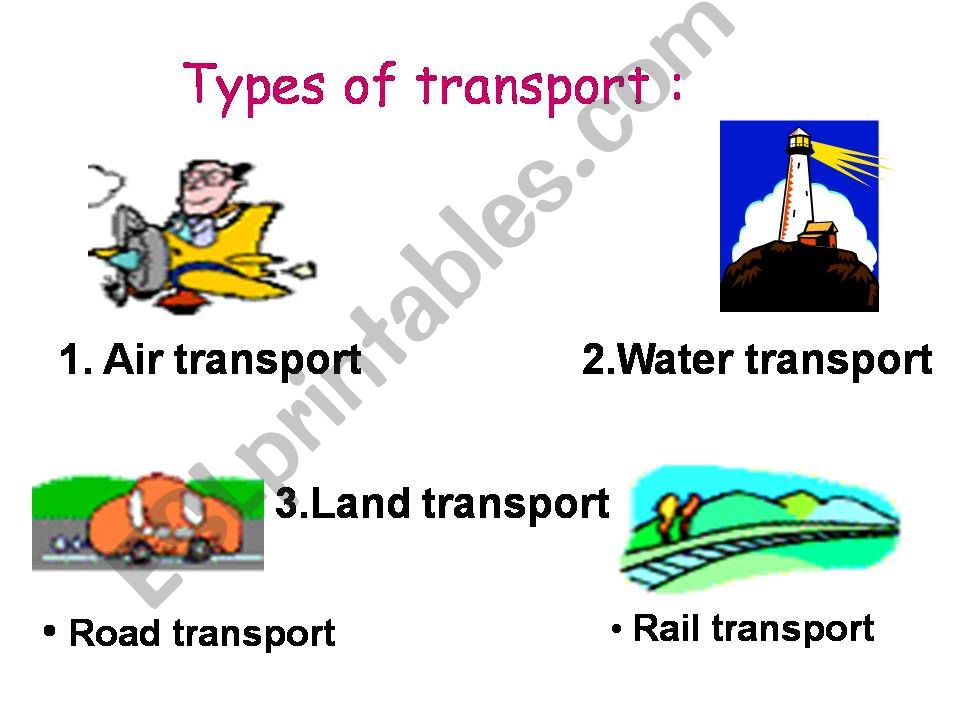
To truly grasp the art of describing transportation, it’s beneficial to see it in action. These scenarios offer vivid examples of how to apply the principles discussed, appealing to the senses and highlighting the unique characteristics of various modes of travel. By immersing ourselves in these descriptive narratives, we can better understand how to convey the essence of movement and its impact.This section presents four distinct scenarios, each designed to showcase different aspects of transportation description.
We will explore the nostalgic charm of steam locomotion, the cutting-edge efficiency of modern high-speed rail, the dynamic agility of urban cycling, and the steadfast resilience of maritime cargo transport.
A Steam Train’s Journey Through the Countryside
Imagine a crisp autumn morning. The air is cool and carries the faint scent of damp earth and fallen leaves. A low, resonant whistle pierces the quiet, a sound that seems to vibrate through the very ground. Then, with a gentle lurch and a rhythmic chuff-chuff-chuff, the steam train begins its stately progress. Black smoke billows lazily from its tall stack, painting ephemeral shapes against the pale blue sky.
The mighty pistons churn with a powerful, almost sentient rhythm, a symphony of steam and steel. Sunlight glints off the polished brass fittings and the deep, dark paint of the engine. As the train picks up speed, the countryside unfurls like a painted scroll. Fields of golden stubble stretch to the horizon, dotted with the stoic silhouettes of ancient oak trees.
Hedgerows blur into verdant ribbons, and small villages, with their quaint cottages and church spires, flash past in a fleeting panorama. The clickety-clack of the wheels on the rails becomes a hypnotic lullaby, a constant reminder of the journey’s steady momentum. Occasionally, a puff of steam escapes with a sigh, adding to the evocative atmosphere. This is not just travel; it is an experience steeped in history and a testament to mechanical ingenuity.
The Experience of Riding a High-Speed Bullet Train
The platform buzzes with anticipation. Sleek, aerodynamic, and impossibly long, the bullet train stands ready, a marvel of modern engineering. As you step aboard, the interior is a testament to refined efficiency: plush seating, ample legroom, and large, panoramic windows designed for optimal viewing. The doors slide shut with a soft hiss, and almost imperceptibly, the train begins to move.
There’s no dramatic acceleration, just a smooth, silent surge forward. Within moments, the urban landscape outside transforms into a streaking blur. The world outside becomes a watercolor painting, with trees, buildings, and distant hills blending into abstract forms. The sensation of speed is exhilarating yet remarkably calm; the advanced suspension and aerodynamic design minimize vibration and noise, creating a serene cabin environment.
Onboard, technology seamlessly enhances the journey. Wi-Fi is readily available, power outlets are at every seat, and often, sophisticated infotainment systems offer news, entertainment, and real-time journey information. You can sip a coffee, read a book, or simply gaze at the rapidly changing scenery, all while covering vast distances with astonishing speed. The bullet train represents the pinnacle of efficiency, connecting cities and people with unparalleled punctuality and comfort.
A Cyclist Navigating Urban Traffic
The city is a pulsating organism, a complex network of streets, intersections, and hurried pedestrians. For a cyclist, navigating this environment is an art form, a dance of agility and constant awareness. Pedaling through the urban maze, the cyclist is intimately connected to the rhythm of the city. Each gust of wind, each change in pavement texture, each approaching vehicle is registered and responded to with practiced reflexes.
The handlebars become an extension of the rider’s will, guiding the bike with subtle shifts of weight and hand pressure. The soundscape is a rich tapestry: the rumble of engines, the chatter of crowds, the distant wail of a siren, and the distinct whir of bicycle tires on asphalt. A keen eye scans ahead, anticipating traffic light changes, potential hazards, and the movements of other road users.
A quick glance over the shoulder confirms clearance before merging into a lane. The cyclist weaves through stationary traffic with fluid grace, exploiting small gaps and maintaining a safe distance. This is not merely a mode of transport; it is an active engagement with the urban landscape, a demonstration of personal freedom and efficient mobility.
A Cargo Ship Traversing a Stormy Sea
The vast, unforgiving expanse of the ocean churns with raw power. The sky is a bruised canvas of grey and black, and the wind howls like a banshee, whipping the waves into towering, white-capped monsters. Amidst this tempest, a colossal cargo ship, a veritable floating city, plows onward. Its immense hull, built of thick steel, is designed to withstand the most brutal conditions.
Each wave that crashes against its bow sends spray high into the air, momentarily obscuring the view, but the ship, a titan of the seas, crests each swell with unwavering resolve. The deck, usually a hive of activity, is now largely deserted, with only essential crew braving the elements. Inside the bridge, the captain and officers maintain a vigilant watch, their faces etched with concentration as they navigate by instruments and instinct.
The ship groans and creaks under the immense strain, a testament to its robust construction. Cargo containers, stacked high on the deck, are secured with heavy chains and lashings, a silent promise of their safe arrival despite the ferocity of the storm. This vessel is a symbol of resilience, a testament to human engineering and the enduring spirit of commerce that continues to traverse the globe, no matter the challenges presented by nature.
Advanced Descriptive Techniques for Transportation
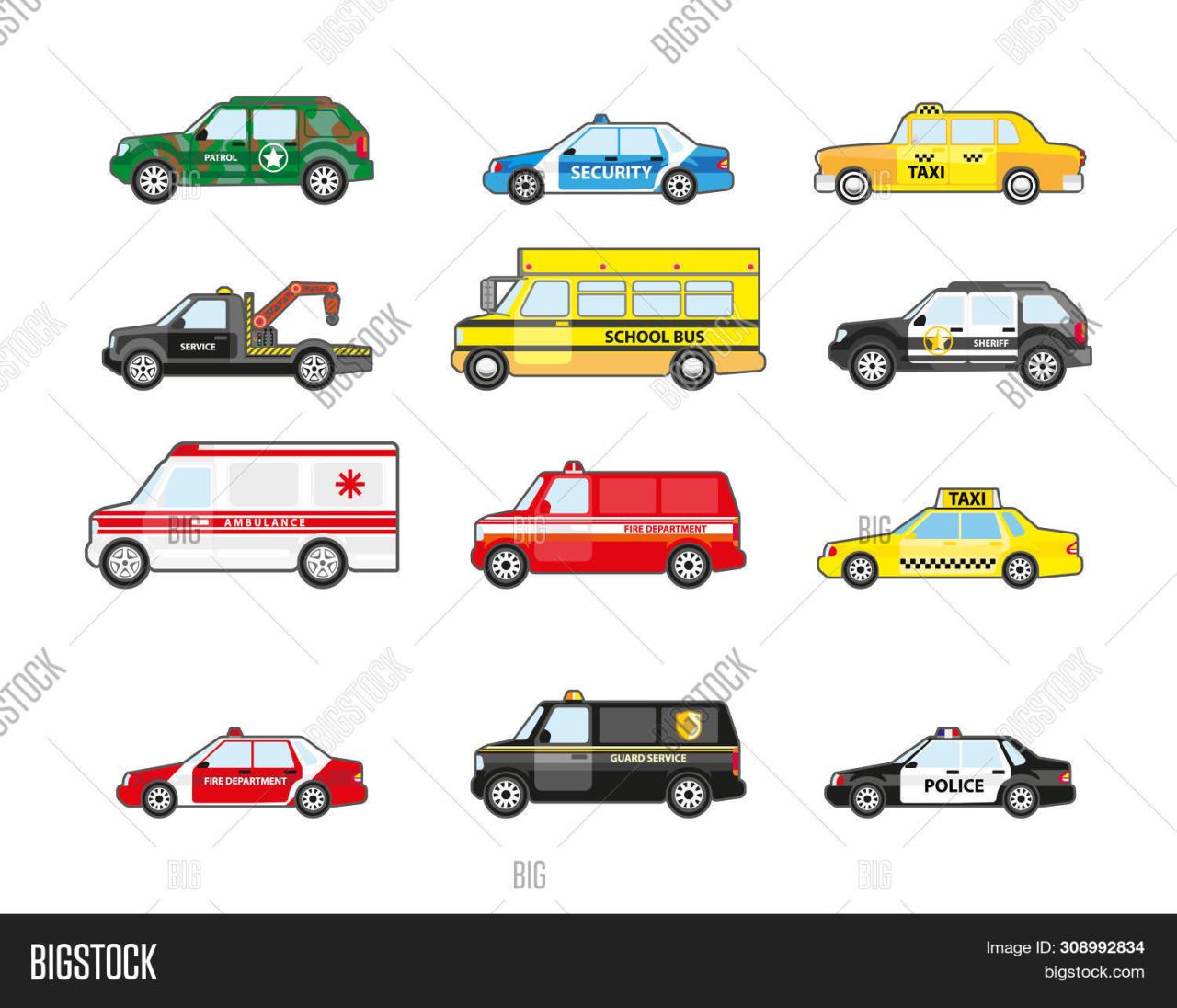
Moving beyond the basic identification of transportation types, this section delves into sophisticated methods that imbue descriptions with richness, depth, and impact. By employing advanced linguistic tools and focusing on sensory details, economic implications, and environmental considerations, we can create vivid and memorable portrayals of how people and goods traverse our world.
Figurative Language in Transportation Descriptions
Figurative language, including metaphors and similes, transforms a factual account of transportation into an evocative experience for the reader. These literary devices allow us to draw comparisons that highlight specific characteristics, evoke emotions, and make abstract concepts more tangible.
- Metaphors: A metaphor directly equates one thing with another, suggesting a deeper connection or shared quality. For instance, describing a high-speed train as “a silver bullet slicing through the countryside” emphasizes its speed and directness, while a bustling port can be a “beating heart of global commerce.”
- Similes: Similes use “like” or “as” to draw comparisons, offering a more explicit connection. A sturdy cargo ship might be described as “plowing through the waves like a determined ox,” highlighting its power and resilience. A swarm of bicycles in a city could be “like a vibrant river flowing through concrete canyons,” emphasizing their collective movement and the urban environment they inhabit.
Impact of Sound and Motion on Vehicle Impression
The auditory and kinetic aspects of transportation are powerful contributors to our perception and understanding of a vehicle. The sounds a vehicle makes and the way it moves can convey information about its power, age, condition, and even its purpose.
- Sound: The deep rumble of a diesel engine, the high-pitched whine of a jet turbine, the rhythmic clatter of train wheels on tracks, or the gentle lapping of water against a hull all create distinct sensory profiles. A powerful engine might be described as a “throaty growl,” suggesting raw power, while the quiet hum of an electric vehicle signifies efficiency and modernity.
The absence of sound, as in an electric car, can itself be a descriptive element, conveying a sense of calm and advanced technology.
- Motion: The way a vehicle moves influences our impression of its stability, speed, and grace. A fighter jet performing acrobatic maneuvers “dives and climbs with the predatory agility of a hawk,” conveying speed and precision. A luxury cruise ship might “glide effortlessly across the ocean’s surface,” suggesting a smooth and opulent journey. The jerky, stop-and-go motion of city traffic, conversely, can be described as a “frustrating dance of impatience.”
Conveying Economic and Social Significance
Transportation modes are not merely functional; they are deeply intertwined with economic development and social structures. Describing their significance involves highlighting their role in trade, connectivity, and societal progress.
- Economic Impact: A major highway network can be described as the “arteries of the national economy,” facilitating the rapid movement of goods and services, thereby boosting trade and creating jobs. Container ships are the “workhorses of global trade,” enabling economies of scale and making international commerce accessible. The development of a new high-speed rail line can be presented as a catalyst for regional economic growth, connecting businesses and consumers more efficiently.
- Social Impact: The automobile has reshaped suburban landscapes and individual mobility, often described as a “symbol of freedom and personal independence.” Public transit systems, such as buses and subways, are the “lifelines of urban connectivity,” providing essential access to work, education, and social opportunities for diverse populations. Air travel has “shrunk the world,” fostering international understanding and facilitating cultural exchange, making distant relatives and global events more accessible.
Describing the Environmental Footprint
Understanding and communicating the environmental impact of transportation is crucial in today’s world. This involves detailing the emissions, resource consumption, and ecological effects associated with different modes of travel.
- Emissions: The exhaust from internal combustion engines releases greenhouse gases like carbon dioxide (CO2) and nitrogen oxides (NOx), contributing to climate change and air pollution. A description might note that a fleet of gasoline-powered buses “exhales a visible plume of smog into the city air.” Conversely, electric vehicles powered by renewable energy sources offer a “cleaner path forward,” with zero tailpipe emissions.
- Resource Consumption: The production and operation of vehicles require significant resources, including fossil fuels, metals, and water. The extraction of oil for gasoline, for example, can lead to habitat destruction and water contamination. The manufacturing of airplanes involves complex supply chains and substantial energy input.
- Ecological Effects: Infrastructure development, such as building roads or airports, can fragment habitats and disrupt ecosystems. Shipping lanes can pose risks to marine life through noise pollution and potential collisions. Describing these impacts helps to paint a comprehensive picture of transportation’s relationship with the natural world. For example, the construction of a new port might be characterized as “carving a scar into the delicate coastal environment,” impacting nesting grounds for migratory birds.
Closing Summary
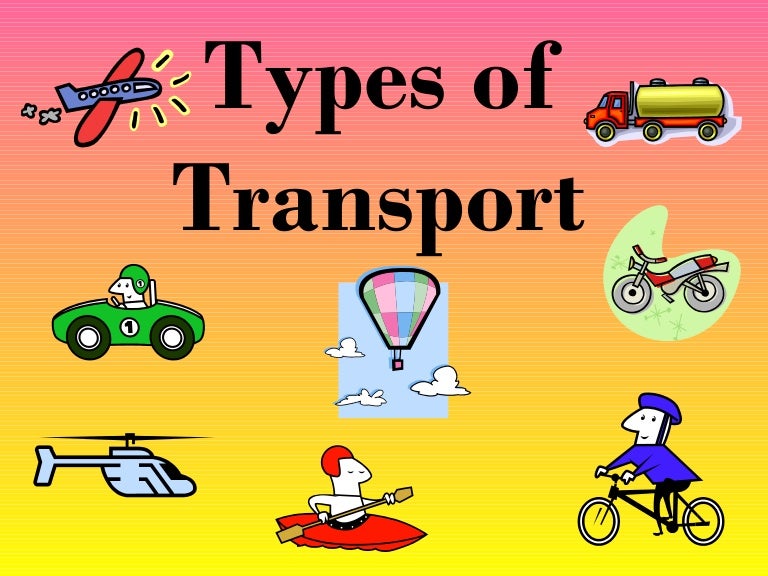
In summary, mastering the art of describing transportation unlocks a deeper appreciation for the ingenuity and diversity of human movement. By understanding the core concepts, exploring various modes from land to space, and employing effective structuring and advanced techniques, you can vividly convey the essence of any journey. Whether detailing a bustling city street or a solitary voyage through the cosmos, these descriptive skills offer a powerful lens through which to view our interconnected world and its ever-evolving means of travel.