Embark on a journey to significantly enhance your signing capabilities with our comprehensive guide on How to Boost Your Expressive Signing Fluency. This exploration delves into the nuances that transform basic communication into a dynamic and engaging art form, promising a more profound connection with your audience.
We will unpack the essential elements that contribute to expressive signing, from the clarity of individual signs to the rich tapestry woven by facial expressions and body language. Understanding the distinctions between merely conveying information and truly captivating an audience is key, and this guide will illuminate the path forward.
Understanding Expressive Signing Fluency
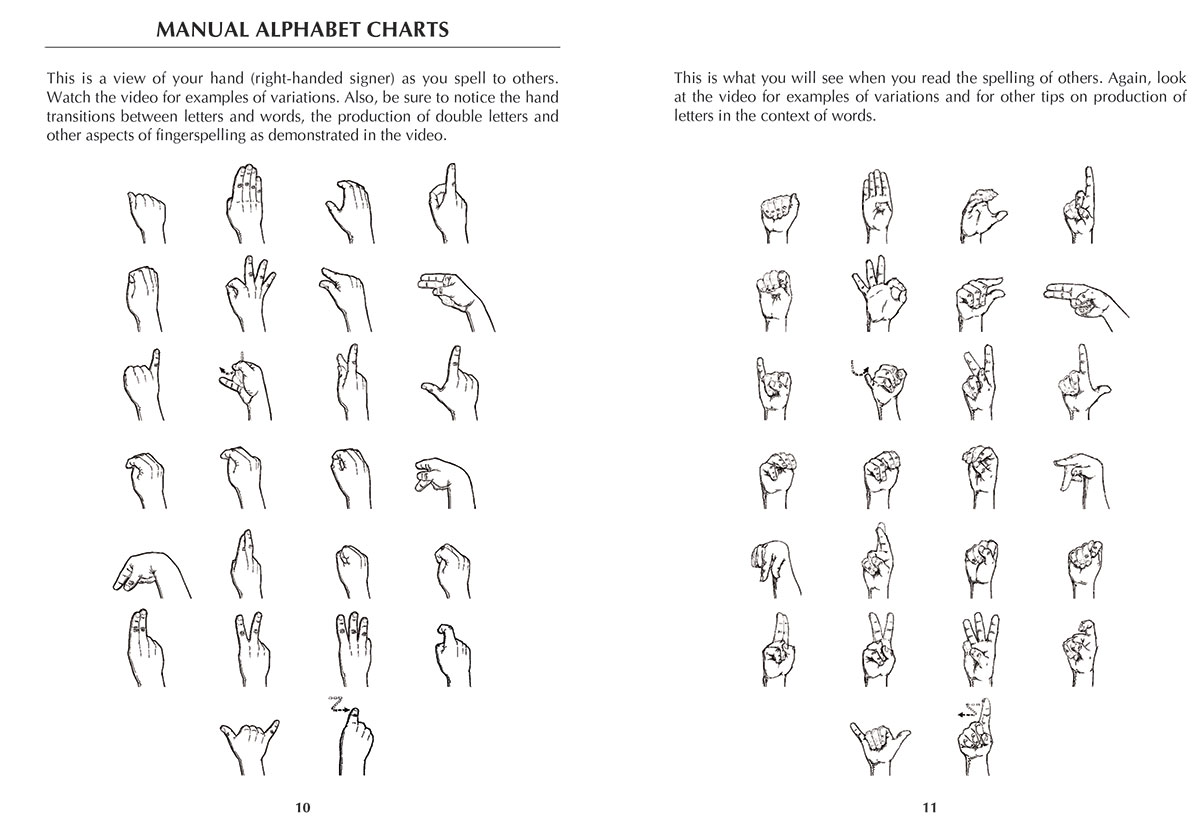
Expressive signing fluency is the ability to communicate effectively and naturally in a signed language, conveying not just the literal meaning of words but also nuances, emotions, and personal style. It transcends basic vocabulary and grammar, focusing on the fluid and engaging delivery of signed messages. Achieving this level of fluency allows for deeper connections and more impactful communication within the signing community.This section delves into the foundational elements of expressive signing fluency, exploring what it truly means to be fluent in this visual language.
We will break down its constituent parts, highlight the significant advantages of mastering it, and acknowledge the common hurdles that signers encounter on their journey toward enhanced expression. Understanding these aspects is crucial for anyone aiming to move beyond rudimentary signing to a more sophisticated and dynamic level of communication.
Core Components of Expressive Signing Fluency
Expressive signing fluency is a multifaceted skill built upon several interconnected components that work in harmony to create a rich and comprehensible signed output. These elements contribute to the overall effectiveness and naturalness of a signer’s communication.The primary components include:
- Grammatical Accuracy and Structure: This involves the correct use of sign language grammar, including spatial relationships, non-manual markers (facial expressions, body posture), and the appropriate sequencing of signs. It ensures that the message is not only understood but also grammatically sound within the context of the specific sign language.
- Vocabulary Range and Appropriateness: A broad vocabulary allows for precise expression and the ability to choose the most suitable signs for a given context. This includes understanding the subtle differences between synonyms and selecting signs that are culturally appropriate and contextually relevant.
- Rhythm and Pacing: Like spoken language, signed language has its own rhythm and pacing. Fluent signing involves a natural flow, with appropriate pauses and speeds that enhance clarity and engagement. Inconsistent or rushed signing can hinder comprehension.
- Non-Manual Markers (NMMs): Facial expressions, head tilts, eyebrow movements, and body shifts are integral to sign language grammar and convey emotion, tone, and grammatical information. Effective use of NMMs is paramount for expressive fluency, adding depth and meaning to the signed message.
- Spatialization and Movement: The use of space to represent people, objects, and locations, as well as the manner in which signs are executed (handshape, orientation, location, and movement), significantly impacts clarity and expressiveness. Fluid and controlled movements contribute to a polished delivery.
- Cultural Nuance and Contextual Awareness: Understanding the cultural context of the sign language being used is vital. This includes awareness of idiomatic expressions, cultural references, and the social norms surrounding communication, which all contribute to truly expressive and appropriate signing.
Benefits of Achieving Higher Expressive Signing Fluency
Elevating one’s expressive signing fluency unlocks a multitude of advantages, significantly enhancing communication and personal growth. These benefits extend from improved interpersonal relationships to greater professional opportunities and a deeper sense of belonging within the signing community.The advantages of advanced expressive signing fluency are substantial and far-reaching:
- Enhanced Communication Clarity: Fluent signing reduces ambiguity and misinterpretation, ensuring that messages are conveyed with precision and accuracy. This leads to more effective and efficient exchanges of information.
- Deeper Interpersonal Connections: The ability to express oneself with nuance and emotion fosters stronger bonds with others. When signers can convey their feelings and thoughts authentically, it builds trust and empathy.
- Increased Confidence and Self-Esteem: Mastering a skill as complex as expressive signing boosts an individual’s confidence in their communication abilities. This self-assurance can positively impact various aspects of life.
- Greater Professional Opportunities: In fields where sign language proficiency is valued, higher fluency can open doors to more advanced roles, leadership positions, and diverse career paths. It signifies a higher level of competence and professionalism.
- Richer Cultural Engagement: Fluent signing allows for a more profound immersion in Deaf culture. It enables individuals to participate more fully in cultural events, discussions, and artistic expressions, fostering a stronger sense of identity and belonging.
- Improved Storytelling and Presentation Skills: Expressive signing is crucial for effective storytelling, public speaking, and presentations. The ability to use visual elements dynamically captivates audiences and makes information more memorable.
Common Challenges in Achieving Signing Fluency
The path to expressive signing fluency, while rewarding, is often paved with various challenges that signers may encounter. Recognizing these obstacles is the first step toward overcoming them and progressing effectively.Some of the most frequently encountered challenges include:
- Limited Exposure and Practice Opportunities: Insufficient opportunities to interact with fluent signers or practice signing in real-world scenarios can significantly impede progress. Consistent immersion is key.
- Inconsistent or Incomplete Language Input: Relying on limited or inconsistent learning resources, such as infrequent classes or passive video consumption without active engagement, can lead to gaps in understanding and application.
- Over-reliance on Spoken Language Translation: Signers who primarily think in terms of translating spoken words directly into signs may struggle with the unique grammatical structures and visual nature of sign language, hindering natural flow.
- Hesitation to Use Non-Manual Markers (NMMs): Many learners are initially hesitant to incorporate facial expressions and body language, fearing they might appear exaggerated or unnatural. However, NMMs are crucial for grammatical correctness and emotional conveyance.
- Fear of Making Mistakes: The anxiety associated with making errors can lead to a reluctance to sign actively, which paradoxically slows down the learning process. Embracing mistakes as learning opportunities is vital.
- Lack of Feedback and Correction: Without regular feedback from experienced signers or instructors, learners may continue to make the same errors, reinforcing incorrect habits and hindering fluency development.
- Memorization vs. Understanding: Focusing solely on memorizing signs without grasping the underlying grammatical principles and contextual usage can lead to robotic and inexpressive signing.
Distinction Between Basic Signing and Expressive Signing
The difference between basic signing and expressive signing lies in the depth, nuance, and naturalness of communication. While basic signing focuses on conveying literal meaning, expressive signing imbues the message with personality, emotion, and a sophisticated command of the language.The core distinctions can be understood as follows:
- Basic Signing: This level primarily involves the accurate production of individual signs and the adherence to fundamental grammatical rules. The focus is on making the message understandable, often resembling a word-for-word translation from a spoken language. Communication might be functional but can lack natural flow and emotional depth. For example, a basic signer might convey “I am happy” by signing the individual signs for “I,” “am,” and “happy” without significant facial expression or variation in movement.
- Expressive Signing: This advanced level integrates all aspects of the language, including a rich vocabulary, nuanced grammar, appropriate pacing, and dynamic non-manual markers. Expressive signers use the visual-spatial nature of sign language to its fullest potential, conveying tone, emotion, and emphasis effectively. They demonstrate an intuitive understanding of the language’s structure and cultural context. An expressive signer conveying “I am happy” might use a bright facial expression, a warm and open body posture, and a smooth, flowing movement for the sign “happy,” conveying genuine joy and enthusiasm.
Essentially, basic signing is about conveying information, while expressive signing is about communicating an experience. It is the difference between simply stating a fact and truly sharing a feeling or a story.
Foundational Techniques for Enhanced Fluency
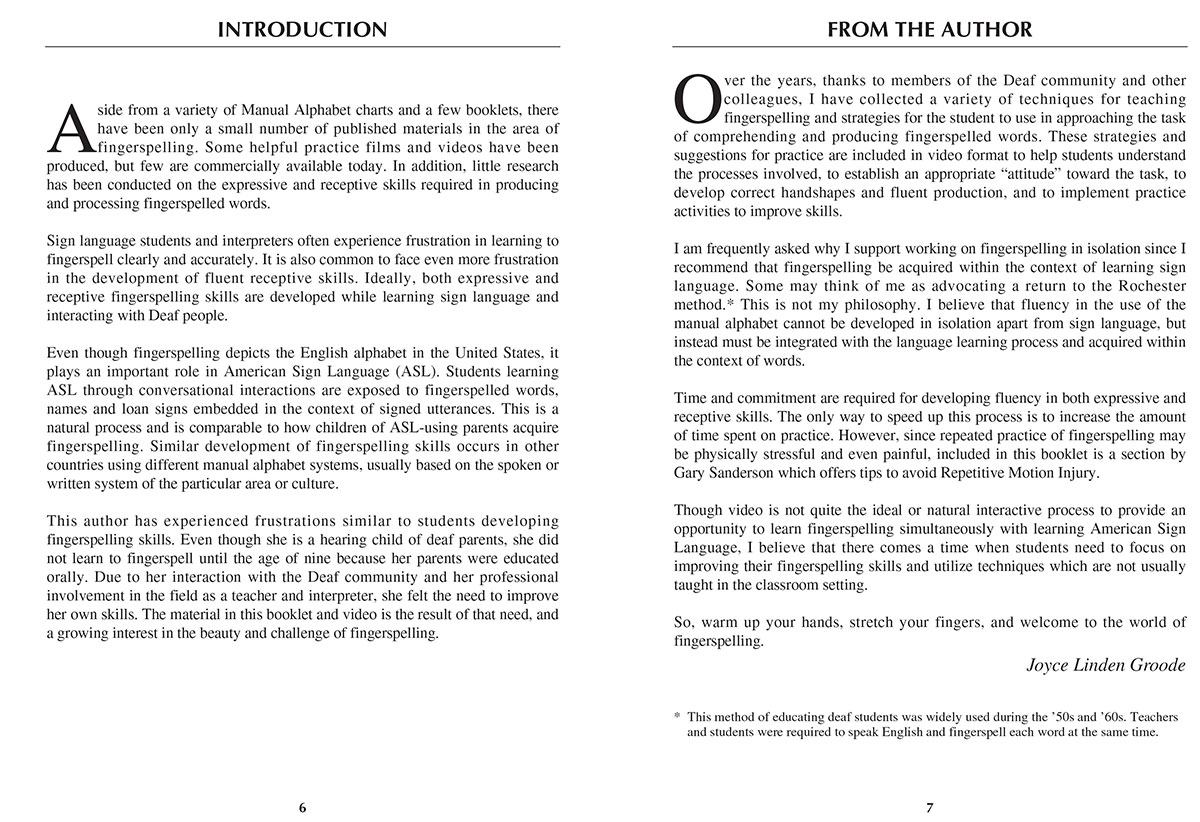
Building upon our understanding of expressive signing fluency, this section delves into the core techniques that empower smoother and more impactful signing. Mastering these foundational elements is crucial for transitioning from simply conveying information to truly expressing yourself through sign language. We will explore practical strategies for refining your sign production, enhancing non-manual markers, and developing a natural signing rhythm.Developing clear articulation of signs is paramount for effective communication.
When signs are produced with precision, they are more easily understood by the recipient, reducing the cognitive load on their part and fostering a more seamless interaction. This involves deliberate practice and attention to the detailed movements that constitute each sign.
Step-by-Step Practice for Clear Sign Articulation
To achieve clear sign articulation, a structured approach to practice is essential. This involves breaking down signs into their constituent components and practicing them with focus and repetition.
- Isolate Individual Signs: Select a sign and practice it in isolation, focusing on each movement.
- Handshape Accuracy: Pay close attention to the precise formation of your handshape. Ensure all fingers are positioned correctly according to the sign’s definition. For example, in the sign for “CAT,” the index and middle fingers should be extended and bent, mimicking claws, while the thumb and other fingers remain closed.
- Movement Clarity: Execute the movement of the sign with deliberate control. Avoid rushing or making jerky motions. The path and direction of the movement are as important as the handshape. For instance, the movement in the sign for “GO” involves a distinct outward push from the palm.
- Location Precision: Ensure the sign is produced in its correct location relative to the body. The sign for “MOTHER” is typically signed near the chin, while “FATHER” is signed near the forehead. Incorrect location can alter the meaning of a sign.
- Orientation Consistency: Maintain the correct orientation of your palm and fingers throughout the sign. The sign for “YES” has a specific downward movement with the palm facing forward.
- Combine Components: Once individual components are mastered, practice the sign as a whole, integrating handshape, movement, location, and orientation smoothly.
- Record and Review: Film yourself signing and critically review your production against a reliable source or a fluent signer. Identify areas for improvement.
Facial expressions and body language are integral components of sign language, acting as the expressive layer that adds nuance, emotion, and grammatical information. They are not mere embellishments but essential tools for conveying meaning and ensuring a natural flow in signing.
The Role of Non-Manual Markers in Meaning and Flow
Non-manual markers (NMMs) encompass all movements of the face, head, and body that accompany signs. Their accurate and appropriate use significantly enhances comprehension and the overall fluency of communication.
- Conveying Emotion and Attitude: Facial expressions directly communicate the signer’s emotional state and attitude towards the message. A raised eyebrow might indicate a question, while a furrowed brow can signal confusion or concern. The subtle tightening of the lips can denote seriousness.
- Grammatical Function: Many grammatical structures in sign language are conveyed through NMMs. For instance, the repetition of a sign with a specific facial expression can indicate plurality or intensity. Head nods and shakes are used for affirmation and negation, respectively.
- Establishing Topic and Focus: Eye gaze and head movements can direct the viewer’s attention to specific elements within the signing space, helping to establish the topic of conversation or highlight important information. A slight tilt of the head can signal a shift in focus.
- Adding Emphasis: Exaggerated facial expressions or more pronounced body movements can be used to emphasize certain words or phrases, much like vocal intonation in spoken language. A wide smile can emphasize joy, while a dramatic sigh can emphasize disappointment.
- Maintaining Flow and Cohesion: Smooth transitions between signs are often facilitated by subtle facial and body movements. These NMMs help to connect ideas and create a natural, continuous signing rhythm, preventing the signing from appearing choppy or disjointed.
Improving signing speed and rhythm involves developing the muscle memory and coordination necessary for fluid and continuous production. This requires engaging in targeted exercises that build both speed and the ability to maintain a consistent pace.
Exercises for Signing Speed and Rhythm Development
The following exercises are designed to gradually increase signing speed while maintaining clarity and a natural rhythm. Consistency in practice is key to seeing significant improvement.
- Slow-Motion Practice: Begin by signing a series of familiar phrases or sentences at an extremely slow pace. Focus on perfect articulation and NMMs. Gradually increase the speed in small increments.
- Rhythm Tapping: Use a metronome or tap your foot to establish a consistent rhythm. Practice signing simple phrases in time with the beat. Start with a slower tempo and gradually increase it as you become more comfortable.
- Sign Chaining: Practice linking several signs together smoothly without pauses. Focus on the transition between each sign, ensuring the end of one sign flows seamlessly into the beginning of the next. For example, practice the sequence “I GO STORE” with minimal break between “I” and “GO,” and “GO” and “STORE.”
- Repetitive Drills: Choose a short sentence or phrase and sign it repeatedly for a set duration. This helps to build muscle memory and stamina. Vary the speed of repetition.
- Timed Signing: Set a timer for a short period (e.g., 30 seconds) and sign as much as you can clearly and coherently within that time. Track your progress over time.
- Mimic Fluent Signers: Observe fluent signers and attempt to mimic their signing speed and rhythm. Pay attention to their pauses, intonation, and the overall flow of their signing.
Maintaining consistent sign production is vital for clear and effective communication. It ensures that your signs are recognizable and understandable to your audience, regardless of the complexity or speed of your signing.
Strategies for Consistent Sign Production
Consistency in sign production refers to the ability to produce signs with the same handshape, movement, location, and orientation each time, without variations that could lead to misinterpretation.
- Regular Practice of Core Vocabulary: Continually revisit and practice your core vocabulary. This reinforces the correct production of frequently used signs, making them automatic and consistent.
- Focus on Sign Components: During practice, consciously check each component of a sign – handshape, movement, location, and orientation. This deliberate attention helps to ingrain the correct form.
- Self-Correction Techniques: Develop the habit of self-monitoring. As you sign, mentally or visually check if your signs are being produced accurately. If you notice a deviation, consciously correct it.
- Utilize Feedback: Seek feedback from fluent signers or instructors. They can identify subtle inconsistencies that you may not notice yourself, providing valuable guidance for improvement.
- Maintain Stamina: Fatigue can lead to inconsistent sign production. Ensure you are adequately rested and take breaks during long signing sessions to maintain focus and accuracy.
- Understand Sign Variations: Be aware that some signs have slight natural variations that are acceptable. However, aim for the standard production of signs unless a specific variation is intentionally used for stylistic or emphasis purposes.
Building Vocabulary and Sign Recall
Expanding your sign vocabulary is a crucial step in achieving expressive signing fluency. This section will guide you through effective strategies for memorizing new signs, associating them with their meanings and contexts, and reinforcing your existing knowledge. A robust vocabulary allows for more nuanced and precise communication, making your signing more engaging and understandable.Building a strong foundation in sign vocabulary and recall is akin to building a rich library of visual language.
The more signs you have at your disposal, and the more readily you can access them, the more fluid and expressive your signing will become. This involves not just learning new signs but also developing systematic ways to retain and retrieve them.
System for Memorizing New Signs Efficiently
Establishing a structured approach to learning new signs significantly enhances memorization. This involves breaking down the learning process into manageable steps and utilizing techniques that leverage different learning styles.
- Deconstruct the Sign: Before attempting to memorize a sign, analyze its components: the handshape, orientation, location, and movement. Understanding these elements provides a logical framework for recall. For instance, the sign for “mother” involves a handshape that cradles the chin, a movement upwards, and a location near the face, all contributing to its visual representation.
- Visual Association: Connect the sign to a vivid mental image or a real-world object or action. For example, the sign for “book” often mimics the action of opening a book. The more unique and memorable the association, the stronger the recall.
- Mnemonic Devices: Create memorable phrases or stories that link the sign’s visual form to its meaning. This can be particularly helpful for abstract concepts.
- Contextual Learning: Learn signs within the context of sentences or common phrases rather than in isolation. This helps in understanding how the sign is used naturally and reinforces its meaning through application.
- Repetition with Variation: Practice the sign repeatedly, but also vary the speed, intensity, and facial expressions used. This helps to internalize the sign and make it more adaptable to different communicative situations.
Strategies for Associating Signs with Meanings and Contexts
Effective association bridges the gap between a sign’s physical form and its conceptual meaning, ensuring that your signing is not only accurate but also contextually appropriate. This deeper understanding leads to more natural and expressive communication.
- Categorization: Group signs by topic (e.g., food, family, emotions, actions). Learning signs within a thematic category creates a network of related concepts, making it easier to recall them when discussing that particular topic. For example, when learning about “food,” you might learn “eat,” “drink,” “apple,” and “bread” together.
- Etymological Connections: For signs with a clear origin or visual metaphor, understanding the etymology can be a powerful memorization tool. Many signs are iconic, directly representing the object or action they signify. For instance, the sign for “house” often mimics the shape of a roof.
- Storytelling and Role-Playing: Create short narratives or engage in role-playing scenarios that require the use of specific signs. This active application in a simulated context solidifies the association between the sign and its meaning in a practical way.
- Visual Dictionaries and Resources: Utilize reputable visual dictionaries, online databases, and apps that provide not only the sign’s form but also example sentences and explanations of its usage in different contexts. These resources often highlight nuances and variations in sign production.
- Peer Learning and Discussion: Discuss signs and their meanings with other learners or fluent signers. Explaining a sign to someone else or discussing its usage in various situations can reveal new associations and deepen your understanding.
Methods for Reviewing and Reinforcing Existing Sign Vocabulary
Consistent review is paramount to preventing vocabulary attrition and ensuring that your existing knowledge remains readily accessible. Regular reinforcement transforms passive knowledge into active fluency.
- Spaced Repetition Systems (SRS): Employ flashcard apps or manual systems that present signs at increasing intervals as you correctly recall them. This scientifically proven method optimizes memorization by focusing on signs that are more difficult to recall.
- Active Recall Exercises: Instead of passively rereading lists of signs, actively try to recall them. This can involve looking at the English word and producing the sign, or seeing the sign and recalling its English equivalent.
- Thematic Review Sessions: Dedicate specific practice sessions to reviewing signs from particular categories or themes. This helps to consolidate vocabulary related to specific topics.
- “Sign of the Day” or “Week”: Select one or a few signs to focus on each day or week. Actively look for opportunities to use these signs in your practice and daily life.
- Self-Testing and Recording: Record yourself signing a series of words or sentences and then review the recordings to identify any signs that were produced incorrectly or recalled slowly.
Practice Routine Incorporating Diverse Signing Scenarios
A well-rounded practice routine should simulate the varied situations encountered in real-world communication, thereby enhancing adaptability and fluency. This involves moving beyond rote memorization to dynamic application.
Designing a practice routine that incorporates diverse signing scenarios is essential for developing truly expressive signing fluency. This approach ensures that you are prepared for a wide range of communicative contexts, from casual conversations to more formal presentations.
Simulated Conversations
Engage in simulated conversations with a partner, focusing on specific topics or themes. This allows for natural turn-taking, questioning, and responding, mirroring real-life interactions. If a partner is unavailable, practice by talking to yourself or a mirror, imagining a conversation.
Storytelling and Description
Practice telling stories, describing pictures, or explaining concepts. This exercise requires you to string together multiple signs coherently, use descriptive language, and employ appropriate non-manual markers (facial expressions and body language) to convey emotion and emphasis.
Role-Playing
Assign specific roles and scenarios, such as ordering food at a restaurant, asking for directions, or discussing a hobby. This helps in practicing context-specific vocabulary and the pragmatic aspects of communication.
News and Media Consumption
Watch news broadcasts, documentaries, or fictional programs in sign language. Try to understand the content and then summarize it in your own signing. This exposes you to different signing styles, vocabulary, and discourse structures.
Active Participation in Deaf Community Events (if applicable and accessible)
Whenever possible, attend Deaf community events, social gatherings, or workshops. Direct immersion and interaction with fluent signers in authentic settings provide invaluable practice and feedback opportunities.
Technical or Specialized Vocabulary Practice
If your communication needs involve specific fields (e.g., medical, legal, technical), dedicate time to learning and practicing the relevant specialized vocabulary. This might involve using glossaries, attending specialized workshops, or working with subject matter experts.
Incorporating Non-Manual Markers (NMMs)
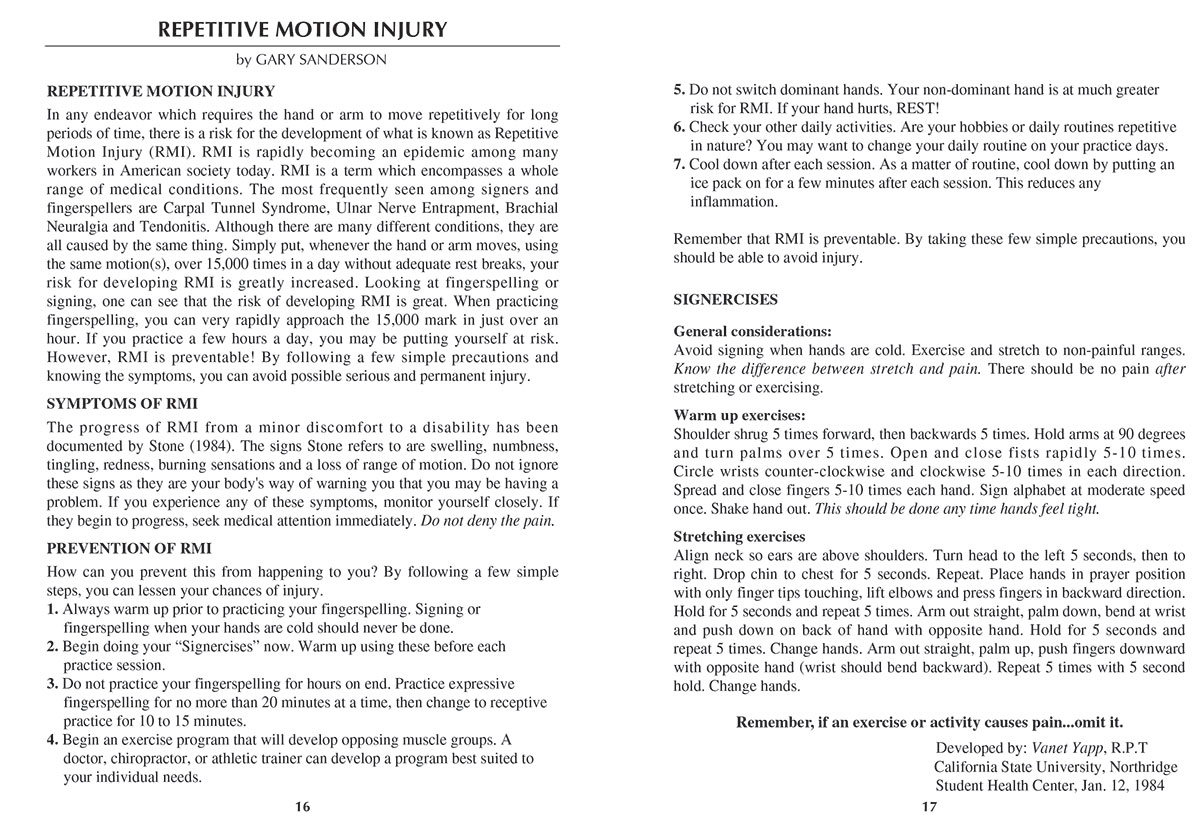
Non-Manual Markers (NMMs) are a crucial, yet often overlooked, component of fluent and expressive signing. They are the facial expressions, head movements, body postures, and eye gazes that accompany manual signs. Far from being mere embellishments, NMMs are integral to the grammar, emotion, and clarity of signed languages, significantly enhancing the natural flow and expressiveness of communication.NMMs serve a dual purpose: grammatical and emotional.
Grammatically, they can function as question markers, conditionals, adverbs, and even indicate the topic or focus of a sentence. Emotionally, they convey the speaker’s feelings, attitudes, and reactions, adding depth and nuance to the signed message. Without appropriate NMMs, a signed utterance can appear flat, ambiguous, or even convey an unintended meaning.
Grammatical Roles of Non-Manual Markers
NMMs play a vital role in the grammatical structure of signed languages, functioning as key indicators of sentence type and modification. They are not simply decorative; they are essential for conveying precise grammatical information.
- Question Formation: For yes/no questions, a raised eyebrow and slight forward head tilt are commonly used. For wh-questions (who, what, where, when, why, how), eyebrows are typically lowered and furrowed.
- Conditional Clauses: A raised eyebrow and a specific head nod can indicate a conditional clause (e.g., “IF it rains…”).
- Adverbial Functions: Facial expressions and head movements can modify the meaning of a sign, acting as adverbs. For instance, a sign for “walk” can be accompanied by different facial expressions to indicate walking slowly, quickly, happily, or sadly.
- Topic/Comment Structure: A raised eyebrow and a brief pause before a sign can indicate that the sign is the topic of the sentence, with what follows being the comment about it.
- Negation: Shaking the head side-to-side while signing can indicate negation (e.g., “I don’t know”).
Emotional and Expressive Roles of Non-Manual Markers
Beyond their grammatical functions, NMMs are the primary vehicle for conveying emotion, attitude, and emphasis in signed languages. They allow signers to express a wide spectrum of feelings and to make their communication more vivid and relatable.
- Conveying Emotions: A wide range of emotions, such as happiness, sadness, anger, surprise, and confusion, are clearly communicated through specific facial expressions. For example, a smile with squinted eyes signifies joy, while a downturned mouth and furrowed brow indicate sadness or displeasure.
- Indicating Intensity: The intensity of a sign can be amplified or reduced through NMMs. A sign like “big” can be made more impactful with wide eyes and an open mouth, signifying something extremely large.
- Showing Attitude: A signer’s attitude towards the subject matter – whether they are sarcastic, skeptical, enthusiastic, or bored – is often communicated through subtle or overt NMMs. A raised eyebrow and a slight smirk might indicate sarcasm.
- Clarifying Nuance: NMMs help to disambiguate signs that might have multiple meanings, adding a layer of contextual understanding. For instance, the sign for “tired” can be accompanied by different facial expressions to distinguish between physical exhaustion and mental fatigue.
Examples of Common Non-Manual Markers and Their Applications
Familiarizing oneself with common NMMs and understanding their typical applications is a key step in developing expressive signing. These markers are not arbitrary; they are systematic and contribute to the richness of signed communication.
| Non-Manual Marker | Facial Expression/Movement | Typical Application(s) | Example Scenario |
|---|---|---|---|
| Raised Eyebrows | Eyebrows lifted upwards | Yes/No questions, indicating surprise, disbelief, or a topic shift. | When asking “Are you going?” the eyebrows are raised. When expressing surprise at seeing a friend unexpectedly, eyebrows are raised. |
| Furrowed Eyebrows | Eyebrows lowered and drawn together | Wh-questions (who, what, where, when, why, how), indicating concentration, confusion, or displeasure. | When asking “Where are you going?” the eyebrows are furrowed. When concentrating on a difficult task, eyebrows may be furrowed. |
| Head Nod | Nodding the head forward | Affirmation, agreement, or indicating a conditional clause. | Nodding while signing “YES” reinforces agreement. A slight head nod can introduce a conditional statement like “IF you study.” |
| Head Shake | Shaking the head side-to-side | Negation, disagreement, or expressing “no.” | Shaking the head while signing “NOT” emphasizes the negation. |
| Mouth Morphemes | Specific mouth shapes and movements | Indicating size, speed, intensity, or manner of action. | A puffed cheek with a tight-lipped “ooh” sound might indicate something is very full. A pursed lip with a sharp exhale can indicate something was done quickly. |
| Body Shift | Leaning the body forward or backward, or shifting weight | Indicating emphasis, a change in topic, or a shift in perspective. | Leaning forward can emphasize a statement. A slight lean back might introduce a new idea or a contrasting point. |
Techniques for Integrating Non-Manual Markers Seamlessly
The effective integration of NMMs into signing requires conscious effort and practice. The goal is to make these markers an organic part of the communication, rather than an add-on.
- Observe and Imitate: Pay close attention to how fluent Deaf signers use NMMs in various contexts. Watch videos, attend signing events, and observe their facial expressions, head movements, and body language. Imitating these natural behaviors is a powerful learning tool.
- Practice in Isolation: Before integrating NMMs into full sentences, practice them independently. For example, practice making a surprised face, a questioning look, or a happy expression. Then, practice pairing these expressions with individual signs.
- Contextualize Practice: Once comfortable with individual NMMs, begin practicing them within short phrases and sentences. Focus on associating specific NMMs with the grammatical or emotional intent of the signed utterance. For instance, practice signing “GO” with a raised eyebrow for a question, and then with a determined expression for an assertive statement.
- Record and Review: Video recording yourself signing is an invaluable technique. This allows you to objectively assess your use of NMMs, identify areas for improvement, and compare your signing to that of fluent signers. You can then refine your expressions and movements for greater clarity and naturalness.
- Seek Feedback: Engage with native signers or experienced sign language users and ask for constructive feedback on your NMM usage. They can provide insights into whether your expressions are clear, appropriate, and natural-sounding within the signed language.
- Understand the “Why”: Always strive to understand the grammatical or emotional reason behind a particular NMM. This deeper understanding will help you apply them more accurately and spontaneously, moving beyond rote memorization to genuine comprehension and expressive communication.
Practice Strategies for Real-World Fluency
To truly master expressive signing, moving beyond foundational techniques and vocabulary is essential. This involves actively engaging in practice scenarios that mirror real-life communication. Consistent and varied practice is the cornerstone of developing natural and fluent signing abilities.The following strategies are designed to help you integrate your learned skills into dynamic signing interactions, fostering confidence and adaptability in various communication contexts.
Organized Practice Schedule
A well-structured practice schedule is crucial for consistent improvement. It ensures that you dedicate time to different aspects of signing, preventing stagnation and promoting holistic development. Balancing solitary practice with interactive sessions is key to building both individual proficiency and communicative ease.Consider the following components when structuring your practice:
- Individual Practice: Dedicate specific times for reviewing signs, practicing sign production, and working on the smooth transition between signs. This can involve using flashcards, video recordings of yourself, or practicing in front of a mirror.
- Interactive Practice: Schedule regular sessions with practice partners, tutors, or language exchange participants. This allows you to apply your skills in a conversational setting, receive feedback, and adapt to different signing styles.
- Varied Modalities: Incorporate practice with different types of signing, such as storytelling, describing images, or engaging in debates. This broadens your signing repertoire and improves your ability to express a wide range of ideas.
- Consistent Review: Regularly revisit previously learned vocabulary and grammatical structures to reinforce your memory and ensure retention.
Self-Correction and Improvement Methods
Developing the ability to critically assess your own signing is a powerful tool for accelerating progress. Self-correction allows you to identify and address areas for improvement independently, making your practice sessions more efficient and effective.Effective methods for self-correction include:
- Video Recording: Regularly record yourself signing, both during individual practice and interactive sessions. Reviewing these recordings with a critical eye allows you to observe your sign production, clarity, speed, and NMMs. Pay attention to handshape accuracy, movement precision, and facial expressions.
- Sign-by-Sign Analysis: After a practice session, mentally or physically review specific signs that felt challenging or were unclear. Break down the sign into its components (handshape, orientation, location, movement) and compare it to correct examples.
- Feedback Incorporation: Actively seek and thoughtfully consider feedback from native signers or fluent peers. If they point out a recurring error, make a conscious effort to correct it in subsequent practice.
- Contextual Review: Reflect on the overall flow and coherence of your signing within a conversation. Did your message come across clearly? Were there any points where your signing was difficult to follow?
Engaging with Native Signers and Fluent Communities
Direct interaction with native signers and established fluent signing communities offers invaluable learning opportunities. These individuals possess an intuitive understanding of the language’s nuances, cultural context, and natural flow, which are difficult to replicate through self-study alone.The benefits of engaging with these communities are substantial:
- Authentic Exposure: Immerse yourself in genuine signing environments to observe natural signing rhythms, colloquialisms, and cultural expressions. This exposure is crucial for developing a truly authentic signing style.
- Contextual Learning: Learn how signs are used in diverse real-world contexts, understanding the subtle shifts in meaning and appropriate usage based on social situations and relationships.
- Feedback and Guidance: Receive direct feedback from experienced signers who can identify and help you correct errors in grammar, vocabulary, and NMMs that you might not notice yourself.
- Motivation and Support: Being part of a signing community provides encouragement, shared learning experiences, and a sense of belonging, which can significantly boost motivation and persistence.
Simulating Diverse Signing Conversations
To prepare for the unpredictability of real-world interactions, it is beneficial to simulate a variety of signing conversation scenarios. This proactive approach helps you develop adaptability and confidence in handling different topics, communication styles, and potential challenges.A framework for simulating diverse signing conversations can be structured as follows:
- Topic Variety: Practice signing about a wide range of subjects, from everyday topics like hobbies and work to more complex discussions involving current events, abstract concepts, or personal opinions.
- Role-Playing: Assign roles to practice partners to simulate specific interactions, such as a job interview, a doctor’s appointment, ordering food, or discussing a problem. This helps you practice signing in specific functional contexts.
- Information Gap Activities: Create scenarios where each participant has different information and must sign to share and exchange it to complete a task or solve a puzzle. This encourages active listening and clear communication.
- Impromptu Signing: Practice responding to unexpected prompts or questions. This can involve picking a random object and describing it, or drawing a card with a word and signing about it for a set duration.
- NMM Focus: Deliberately practice conversations that require specific NMMs, such as expressing emotions, asking questions, or indicating grammatical structures.
Advanced Techniques for Expressive Delivery
Having established a strong foundation in signing, vocabulary, and non-manual markers, this section delves into advanced techniques to elevate your expressive signing fluency. We will explore how subtle shifts in your signing can profoundly impact clarity, emotional resonance, and the overall engagement of your audience. Mastering these techniques allows you to move beyond simply conveying information to truly bringing your signed communication to life.This section focuses on refining your signing to achieve a more natural, dynamic, and impactful delivery.
By understanding and applying these advanced concepts, you can enhance your ability to connect with your audience on a deeper level, ensuring your message is not only understood but also felt.
Intonation and Pacing in Signing
Intonation and pacing are critical elements in spoken language that directly translate to expressive signing. In signing, intonation is conveyed through variations in the speed, size, and intensity of your signs, as well as the use of facial expressions and body language. Pacing refers to the rhythm and flow of your signing, including the use of pauses and transitions between signs and sentences.
Thoughtful manipulation of these elements can imbue your signing with emotion, emphasis, and clarity, mirroring the nuances of spoken intonation.To effectively utilize intonation and pacing:
- Vary Sign Speed: Speeding up signs can indicate excitement, urgency, or a rapid flow of thought. Slowing down signs can emphasize a point, create suspense, or convey seriousness.
- Adjust Sign Size and Intensity: Larger and more forceful signs can convey strength, importance, or strong emotion. Smaller, more delicate signs can suggest subtlety, tenderness, or a whispered thought.
- Employ Strategic Pauses: Pauses are not merely silences; they are opportunities for the audience to process information, build anticipation, or signal a shift in topic or emotion. A well-placed pause can be as impactful as a sign itself.
- Utilize Body Shifts: Subtle shifts in your body weight or posture can accompany changes in intonation, adding a physical dimension to your expressive delivery.
- Integrate Facial Expressions: Your facial expressions are intrinsically linked to intonation. A raised eyebrow can signify a question or surprise, while a furrowed brow can indicate concern or concentration.
Conveying Nuances and Subtle Meanings
The ability to convey subtle meanings and nuances is what distinguishes highly expressive signing from merely functional signing. This involves leveraging the full spectrum of your signing capabilities, including the precise execution of signs, the nuanced use of NMMs, and the skillful manipulation of space and movement. It’s about communicating the “how” and “why” behind your message, not just the “what.”Consider the following strategies for conveying nuance:
- Sign Choice: Often, multiple signs can express a similar core meaning. The subtle differences in the conceptualization of these signs allow for precise expression of subtle distinctions. For example, the difference between “understand” and “grasp” might be conveyed by the specific handshape and movement.
- Facial Grammar: Beyond basic emotional expressions, facial grammar allows for grammatical functions and subtle attitudinal shifts. The intensity and duration of a facial expression can alter the meaning of a sign, transforming a statement into a mild suggestion or a strong assertion.
- Eye Gaze: Directing your gaze towards specific points in space can add context or emphasis. For instance, looking to the left might indicate a past event, while looking to the right might refer to a future possibility.
- Body Language: The subtle tilt of your head, the tension in your shoulders, or the angle of your torso can communicate a wealth of information about your attitude towards the subject matter. A slight slouch might indicate weariness, while an upright posture might convey confidence.
- Use of Space: The signing space is not just a canvas; it’s a dynamic tool. The placement of signs, the direction of movement, and the way you delineate abstract concepts within this space can add layers of meaning.
Adapting Signing Style to Different Audiences and Situations
Effective expressive signing requires an awareness of your audience and the context of the communication. Your signing style should be adaptable, ensuring clarity and appropriateness for everyone you are communicating with. This involves understanding the diverse needs and backgrounds of your audience and tailoring your delivery accordingly.Here are key considerations for adapting your signing style:
- Audience Background: For a group of experienced signers, you might use more complex or nuanced signs. For those new to sign language, you might opt for clearer, more direct signs and incorporate more contextual cues. Consider the age, cultural background, and prior knowledge of your audience.
- Formality of the Situation: In formal settings like presentations or lectures, your signing might be more deliberate, structured, and visually clear. In informal settings, such as casual conversations with friends, your signing can be more relaxed, fluid, and incorporate more personal style.
- Purpose of Communication: If the goal is to inform, clarity and precision are paramount. If the goal is to entertain or persuade, you might employ more dramatic pacing, exaggerated NMMs, and a more engaging delivery.
- Sensory Considerations: For audiences with varying visual acuity or those who may be distracted, you might adjust the size and prominence of your signs, and ensure clear visibility of your face and hands.
- Use of Interpreters: When communicating through an interpreter, maintain clear, consistent, and well-paced signing. Avoid overly complex or culturally specific idioms that might be difficult to translate accurately.
Exercises for Practicing Storytelling and Descriptive Signing
Developing strong storytelling and descriptive signing skills requires dedicated practice. These exercises are designed to push your expressive capabilities, encouraging you to think creatively about how to translate narrative and descriptive elements into the visual language of signing. They focus on building fluency in conveying imagery, emotion, and sequence.Engage in the following exercises to enhance your storytelling and descriptive signing:
- Visual Description Challenge: Choose a photograph or a detailed painting. Spend five minutes describing every element you see in the image, focusing on colors, shapes, textures, and the implied actions or emotions of any figures. Practice signing this description without any verbal prompts, relying solely on your visual interpretation.
- Sensory Experience Narratives: Select a strong sensory experience, such as the feeling of rain on your skin, the smell of baking bread, or the taste of a favorite food. Sign a short narrative about this experience, focusing on conveying the sensory details through your signing and NMMs. For example, to convey the coolness of rain, you might use a fluttering hand motion with a slightly shivering body posture.
- “Show, Don’t Tell” Storytelling: Take a simple plot from a well-known story (e.g., “The Tortoise and the Hare”). Sign the story without using any explicit narrative signs like “then,” “after that,” or “finally.” Instead, use your signing space, pacing, and NMMs to clearly delineate the sequence of events and the characters’ actions and emotions.
- Abstract Concept Visualization: Choose an abstract concept like “hope,” “frustration,” or “curiosity.” Spend time brainstorming different ways to visually represent this concept through signs, movements, and facial expressions. Practice signing these representations to different imaginary audiences to see which is most effective.
- Impromptu Scene Creation: Have a friend or partner give you three random words (e.g., “tree,” “wind,” “child”). Your task is to create and sign a short, coherent scene or story that incorporates all three words. This exercise encourages quick thinking and creative sign generation.
Resources and Tools for Continuous Improvement
Embarking on the journey to enhance expressive signing fluency is an ongoing process, and leveraging the right resources and tools can significantly accelerate your progress. This section will guide you through a curated selection of platforms, materials, and practice strategies designed to support your continuous development as a fluent and expressive signer. Consistent engagement with these resources will foster a deeper understanding and more refined execution of your signing skills.
The digital age offers a wealth of opportunities for learners to connect, practice, and access valuable information. From online communities that provide a supportive peer network to specialized learning materials and innovative practice aids, the landscape of signing improvement is rich and accessible. Understanding how to effectively utilize these tools is key to maintaining momentum and achieving a high level of expressive signing fluency.
Online Platforms and Communities
Engaging with online platforms and communities dedicated to sign language offers invaluable opportunities for connection, learning, and practice. These spaces allow signers of all levels to interact, share experiences, and receive support, fostering a collaborative environment for growth.
- Deaf and Hard of Hearing Community Forums: Websites and social media groups where Deaf and hard of hearing individuals share information, discuss culture, and interact. These are excellent for understanding natural signing and cultural nuances.
- Sign Language Learning Websites: Platforms like Lifeprint.com (ASL) or SignPedia.com (various sign languages) offer structured lessons, video dictionaries, and community interaction features.
- Social Media Groups: Facebook groups, Reddit subreddits (e.g., r/asl), and other social media channels dedicated to specific sign languages or sign language learning provide spaces for asking questions, sharing progress, and finding practice partners.
- Video Sharing Platforms: YouTube channels hosted by fluent signers, educators, and Deaf creators offer a vast library of content, from tutorials and explanations to vlogs and storytelling in sign language.
Learning Materials and Practice Aids
A variety of learning materials and practice aids can supplement your fluency development, offering structured learning and diverse practice opportunities. These tools cater to different learning styles and can be integrated into your daily routine.
- Sign Language Dictionaries (Online and App-based): Resources like Signing Savvy, Handspeak, and SignDict provide comprehensive visual dictionaries for various sign languages, allowing for quick lookups and pronunciation (visual) checks.
- Flashcard Applications: Apps like Quizlet or Anki can be customized to create digital flashcards for new signs, vocabulary, and even non-manual markers, aiding in memory recall.
- Video Recording Tools: Using your smartphone or webcam to record yourself signing allows for self-assessment, enabling you to identify areas for improvement in clarity, speed, and expression.
- Children’s Books and Shows: For beginners and intermediate signers, engaging with children’s literature and animated shows signed in your target language can be a fun and accessible way to build vocabulary and practice comprehension.
- Grammar and Syntax Guides: Books or online resources that detail the grammatical structures and syntactical rules of a specific sign language are crucial for building accurate and natural-sounding signing.
The Role of Feedback in Signing Fluency
Feedback is an indispensable component of the learning process for developing expressive signing fluency. Constructive criticism and encouragement from experienced signers or instructors can highlight blind spots and guide your efforts toward more effective improvement.
Seeking and actively incorporating feedback allows learners to refine their signing in ways that self-assessment alone cannot achieve. This can include receiving input on the clarity of signs, the accuracy of non-manual markers, the natural flow of transitions between signs, and the overall expressiveness of their signing. It’s beneficial to seek feedback from a variety of sources, including native signers, qualified instructors, and peers who are also dedicated to improving their fluency.
Exercises for Real-World Fluency
These exercises are designed to be practical and can be performed using readily available materials, helping you to integrate fluency practice into your daily life.
- Story Retelling: After reading a short story, article, or watching a video, retell the content in sign language without referring to the original material. Focus on conveying the narrative and emotions accurately.
- Describing Objects: Choose everyday objects around your home or office and describe them in detail using sign language. This exercise helps build descriptive vocabulary and spatial awareness.
- Role-Playing Scenarios: Imagine common conversational scenarios (e.g., ordering food, asking for directions, making small talk) and practice signing your part. If possible, practice with a partner.
- Summarizing Information: Take a news article, a podcast segment, or a lecture and summarize the key points in sign language. This hones your ability to extract and convey essential information concisely.
- “Show, Don’t Tell” Practice: When describing an action or an event, focus on using signs that visually represent the movement and the impact, rather than just stating the action. For instance, instead of just signing “walk,” demonstrate different ways of walking (e.g., tiredly, quickly, cautiously).
- Vocabulary Building Games: Use a deck of cards or dice to randomly select topics or categories, then sign as many related vocabulary words as you can within a set time limit.
Final Wrap-Up
As we conclude, remember that achieving expressive signing fluency is an ongoing, rewarding process. By consistently applying the techniques for foundational skills, vocabulary expansion, non-manual marker integration, and real-world practice, you will undoubtedly witness a remarkable transformation in your signing delivery, fostering deeper connections and more impactful communication.