Embark on a journey to master the visual language of American Sign Language with our comprehensive guide on how to fingerspell the entire ASL alphabet correctly. This exploration delves into the foundational principles, intricate handshapes, and fluid movements that form the basis of clear and effective ASL communication.
We will meticulously cover everything from understanding the purpose and significance of fingerspelling within ASL to mastering each individual letter’s handshape, focusing on precise orientation and movement. You will learn strategies for developing fluidity and speed, essential for natural conversation, alongside techniques for practicing and refining your accuracy. Visualizing the correct formation of each letter and identifying resources to aid your practice will also be key components of this in-depth guide, ensuring you gain the confidence and skill to fingerspell the ASL alphabet with precision.
Understanding the Foundation of ASL Fingerspelling
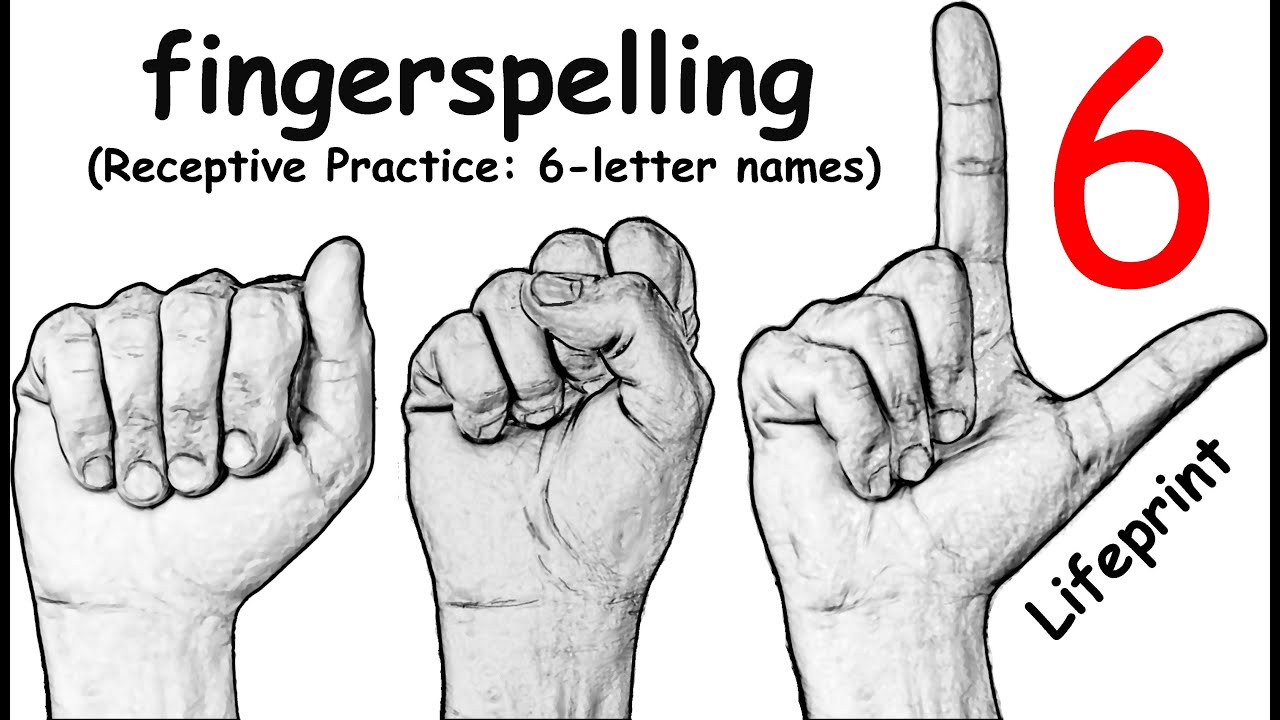
Fingerspelling is a vital component of American Sign Language (ASL), serving as a bridge to communicate words that do not have a specific sign or to clarify names, places, and technical terms. It is a visual alphabet where each letter of the English alphabet is represented by a distinct handshape. Mastering fingerspelling is crucial for fluency and comprehension in ASL, allowing for nuanced and precise communication.The general principles of ASL fingerspelling revolve around consistent handshapes, smooth movements, and clear articulation.
While each letter has a specific handshape, the way these handshapes are moved and positioned is equally important for intelligibility. Understanding these fundamental elements lays the groundwork for accurate and effective communication.
General Principles of Handshapes and Movement
Correct fingerspelling relies on the precise formation of handshapes and their appropriate movement. Each letter is assigned a unique handshape, which must be maintained clearly throughout the spelling of a word. The movement involved in fingerspelling is typically minimal, focusing on the transition between letters rather than large or exaggerated motions. Smooth, deliberate transitions ensure that each letter is distinct and recognizable.It is important to note that fingerspelling is not simply a one-to-one transliteration of English words.
The rhythm and flow of fingerspelling are also influenced by the natural cadence of ASL. While individual letters are important, the overall presentation of a word through fingerspelling contributes significantly to its comprehension.
Importance of Proper Hand Orientation and Location
The orientation of the hand and its location in relation to the signer’s body are critical for clear ASL fingerspelling. Hand orientation refers to the direction the palm faces and the angle of the fingers. For instance, some handshapes might be clearer when the palm faces forward, while others are best articulated with the palm facing sideways or downwards.Location, or placement, refers to where the fingerspelling occurs in the signing space.
This space is generally in front of the signer, between the chest and the forehead. Consistent and appropriate placement ensures that the fingerspelled word is visible and easily interpreted by the recipient. Incorrect orientation or location can lead to ambiguity and misinterpretation of the letters.
Dominant vs. Non-Dominant Hand Usage in ASL Fingerspelling
In ASL, individuals have a dominant hand and a non-dominant hand, similar to handedness in spoken languages. For the vast majority of ASL users, fingerspelling is performed with the dominant hand. This is because the dominant hand is typically more dexterous and controlled, allowing for clearer and more precise formation of handshapes.While the dominant hand is used for the active formation of letters, the non-dominant hand often plays a supportive role.
It may remain relaxed in a neutral position or may be used to help stabilize or frame the fingerspelling action, though it does not actively form letters. This distinction is fundamental to understanding the mechanics of ASL, including fingerspelling.
Developing Fluidity and Speed in Fingerspelling
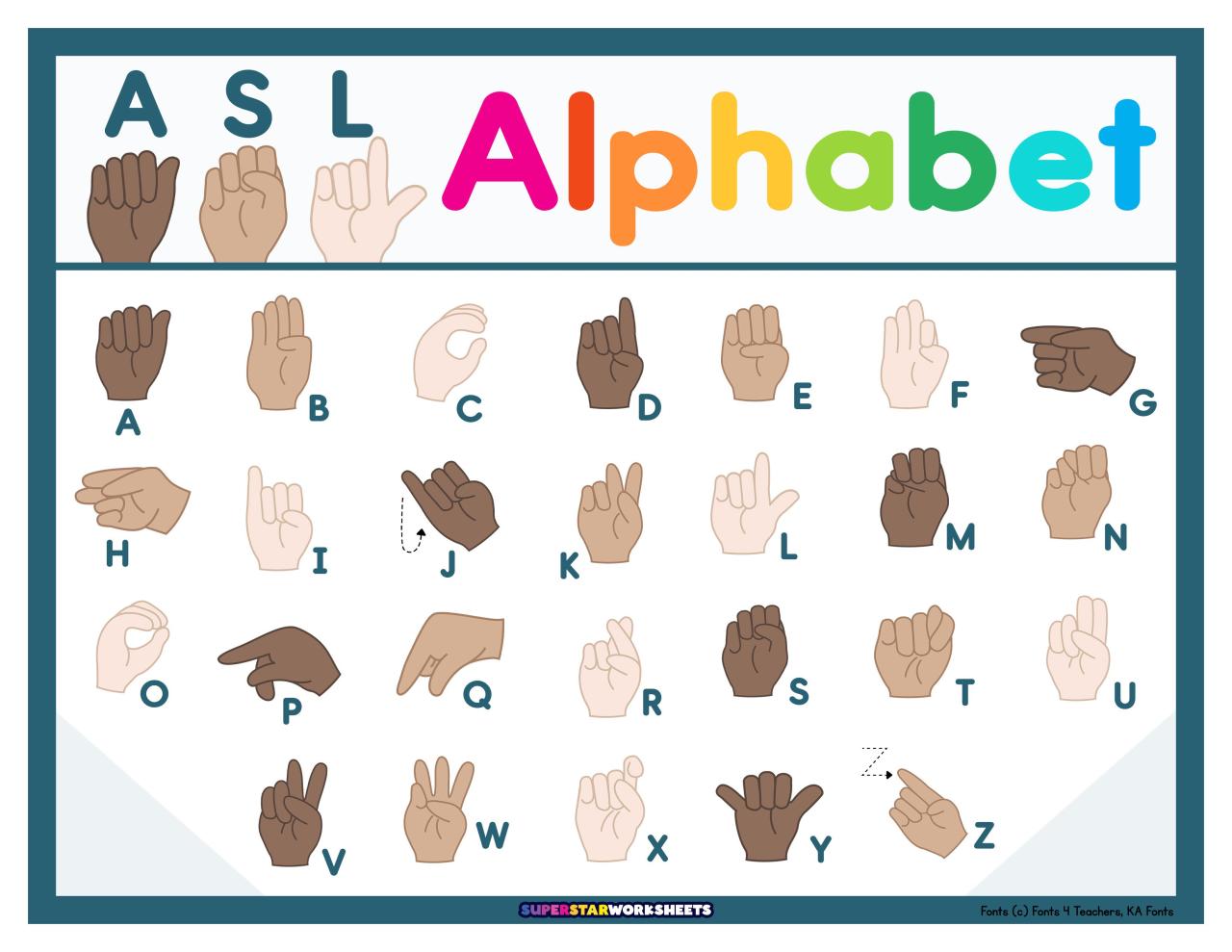
Mastering ASL fingerspelling involves not just knowing the handshapes, but also the ability to transition between them smoothly and at a pace that allows for clear communication. This section will guide you through techniques and exercises designed to enhance your fluency and speed, ensuring your fingerspelling is both rapid and comprehensible.Achieving fluidity in ASL fingerspelling is akin to learning a musical instrument; it requires consistent practice and a focus on the connections between individual notes, or in this case, handshapes.
The goal is to make the movement from one letter to the next as seamless as possible, minimizing pauses and hesitations.
Techniques for Smooth Transitions Between ASL Alphabet Handshapes
Smooth transitions are the cornerstone of fluent fingerspelling. This involves anticipating the next handshape and minimizing unnecessary movement. Instead of fully forming each letter in isolation, skilled fingerspellers often begin the motion for the next letter while completing the current one. This creates a continuous flow, making the fingerspelling appear more connected and easier to follow. Think of it as a dance where each step naturally leads into the next, rather than discrete, separate actions.
- Minimize hand movement: Keep your hand and arm relatively still. The movement should primarily be in your fingers, not your entire arm or wrist. This conserves energy and allows for quicker changes.
- Anticipate the next handshape: As you form one letter, mentally prepare for the next. This might involve subtly shifting your finger position or preparing your hand to move in the direction of the upcoming letter.
- Utilize natural movements: Many letter transitions have natural pathways. For instance, moving from ‘A’ to ‘B’ involves a simple upward motion of the thumb, which can be initiated as the ‘A’ is being completed.
- Practice common letter combinations: Certain letter sequences appear frequently in English and ASL. Practicing these combinations (e.g., “TH,” “ER,” “ING”) will build muscle memory for those specific transitions.
- Focus on a relaxed hand: Tension in the hand and wrist can impede speed and fluidity. Consciously relax your hand and fingers as you practice.
Strategies for Increasing Fingerspelling Speed Without Sacrificing Clarity
Speed in fingerspelling is a desirable outcome, but it should never come at the expense of clarity. The primary objective of fingerspelling is to convey information accurately. Therefore, strategies for increasing speed must be balanced with techniques that maintain legibility. Rushing can lead to distorted handshapes and missed letters, rendering the fingerspelling ineffective.
- Start with accuracy, then add speed: Ensure you can accurately fingerspell each letter and common words at a moderate pace before attempting to speed up.
- Gradual increase in pace: Don’t try to double your speed overnight. Incrementally increase your pace, focusing on maintaining accuracy at each new speed level.
- Observe proficient ASL users: Pay close attention to how fluent ASL communicators fingerspell. Notice their hand movements, the timing of their transitions, and how they maintain clarity.
- Record and review yourself: Video yourself fingerspelling and then watch it back. This allows you to identify areas where your speed might be causing a loss of clarity.
- Focus on the overall shape of words: As you become more proficient, you’ll start to recognize the visual pattern of common words. This can help you “read” fingerspelled words more quickly, even if individual letters are slightly blurred by speed.
Exercises Promoting Muscle Memory and Dexterity for Faster Fingerspelling
Developing muscle memory and dexterity is crucial for achieving both speed and accuracy in fingerspelling. These exercises target the fine motor skills required to form and transition between handshapes efficiently. Consistent practice with these drills will build the physical and cognitive connections necessary for fluid fingerspelling.
- Alphabet Repetition Drills: Simply fingerspell the entire alphabet repeatedly, focusing on smooth transitions. Start slowly and gradually increase your speed.
- Word-Building Drills: Choose common short words (e.g., “CAT,” “DOG,” “BOOK”) and fingerspell them repeatedly. Focus on the specific transitions required for those words.
- Random Letter Sequences: Have a partner or use a random letter generator to call out letters. Fingerspell them as quickly and accurately as possible.
- “Freeze Frame” Practice: Fingerspell a word at a moderate speed. At random points, pause and hold the handshape for a specific letter. This helps reinforce the distinct form of each letter.
- Dexterity Exercises: Beyond fingerspelling, general hand and finger dexterity exercises can be beneficial. This includes simple finger stretches, touching each fingertip to your thumb, and finger tapping.
Practice Routine Incorporating Timed Drills for Improving Fingerspelling Pace
A structured practice routine that includes timed drills is an effective way to systematically improve your fingerspelling pace. Timed drills introduce an element of challenge and allow you to track your progress objectively. By setting specific goals and time limits, you can push yourself to become more efficient.Here is a sample practice routine that incorporates timed drills:
- Warm-up (5 minutes): Begin with relaxed hand and finger stretches. Then, do a slow, relaxed fingerspelling of the entire alphabet to get your fingers moving.
- Timed Alphabet Drill (3 minutes): Set a timer for three minutes. See how many times you can fingerspell the entire alphabet from A to Z. Focus on maintaining accuracy. Record your count.
- Timed Word Drill (5 minutes): Choose a list of 10-15 common words. Set a timer for five minutes and see how many words you can accurately fingerspell from your list. Focus on smooth transitions between letters within each word.
- Speed Transition Practice (5 minutes): Select pairs of letters that often cause difficulty in transition (e.g., ‘S’ to ‘T’, ‘P’ to ‘Q’). Practice transitioning rapidly between these pairs for the duration of the segment.
- Comprehension Practice (10 minutes): Have a friend or use online resources to have someone fingerspell words or short sentences to you. Try to write them down. This tests your ability to understand fingerspelling at speed.
- Cool-down (2 minutes): End with a slow, deliberate fingerspelling of the alphabet, focusing on relaxation and the clarity of each handshape.
Consistent, focused practice is the key to unlocking both speed and fluidity in ASL fingerspelling.
Practicing and Refining ASL Alphabet Accuracy
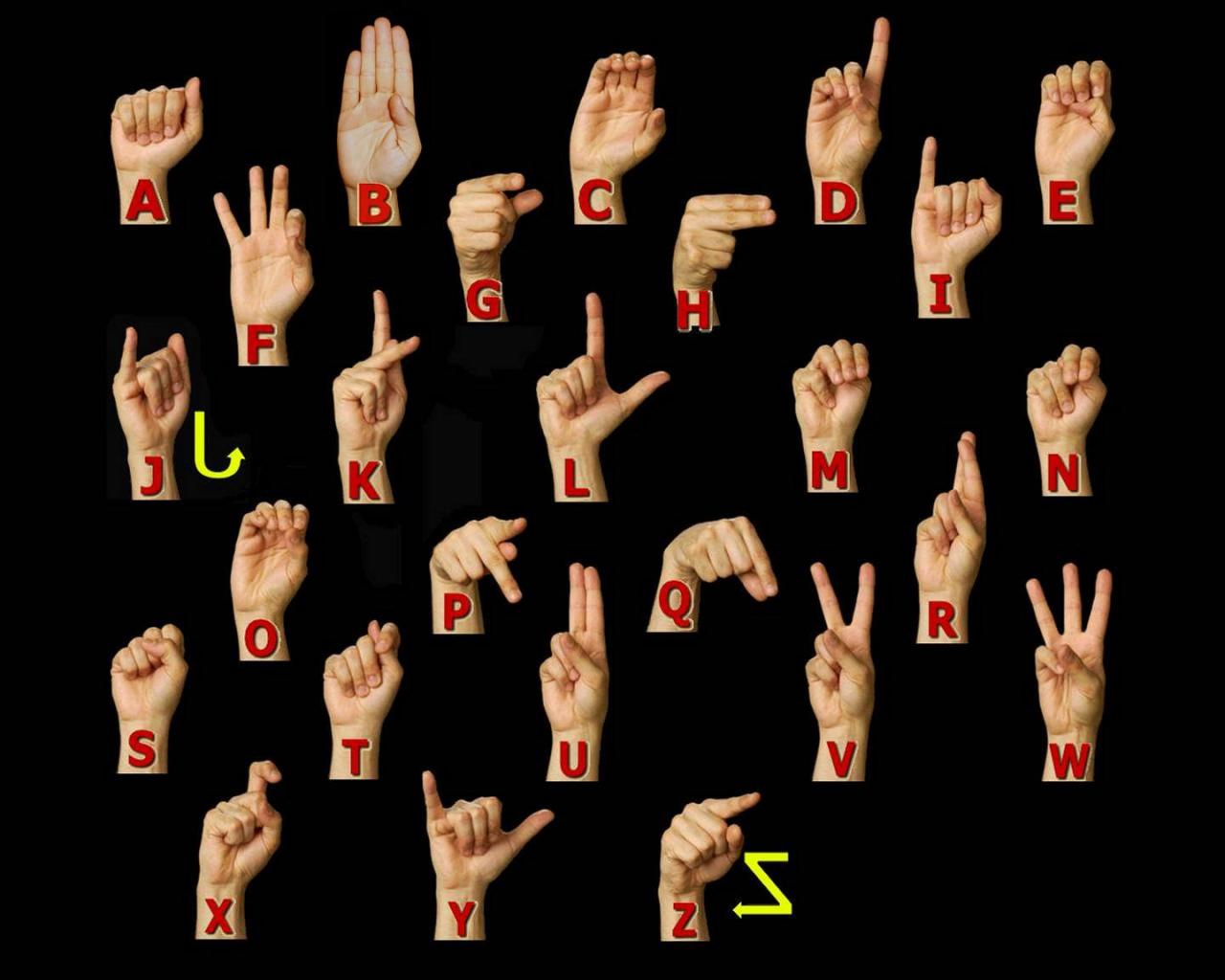
Mastering ASL fingerspelling goes beyond simply knowing the handshapes; it requires dedicated practice to ensure accuracy and clarity. This section focuses on practical methods to assess your fingerspelling, identify areas for improvement, and build confidence in both producing and understanding the ASL alphabet. Consistent and targeted practice is key to developing a strong foundation in ASL.Developing accuracy in fingerspelling involves a multi-faceted approach, combining self-evaluation with external feedback.
It’s about understanding where mistakes commonly occur and implementing strategies to correct them. This continuous refinement process is essential for effective communication in ASL.
Self-Assessment and Feedback Methods
Regularly evaluating your own fingerspelling is crucial for identifying and correcting errors. This can be achieved through various techniques that allow you to observe your hand movements and compare them to established standards. Seeking feedback from others, especially fluent ASL users, provides an invaluable external perspective.Methods for self-assessment include:
- Video Recording: Film yourself fingerspelling the alphabet, common words, and phrases. Review the recordings, paying close attention to the clarity of each handshape, the transitions between letters, and the overall speed and rhythm. Compare your movements to instructional videos or resources to spot discrepancies.
- Mirror Practice: Use a mirror to observe your fingerspelling from the perspective of someone watching you. This helps in identifying handshapes that might be unclear or movements that are not fluid.
- Repetitive Drills: Practice fingerspelling the entire alphabet repeatedly, focusing on precision for each letter. Then, move on to common short words and gradually increase complexity.
- Flashcard Systems: Create or use digital flashcards that display letters or words. Fingerspell the displayed item and then check your accuracy.
Seeking feedback from others is equally important:
- ASL Tutors or Instructors: They can provide expert guidance and point out specific areas needing improvement.
- Deaf Community Members: Interacting with native ASL users offers authentic practice and feedback in real-world scenarios.
- Practice Partners: Find other ASL learners to practice with. You can give each other feedback and work through challenges together.
Common Words and Phrases for Practice
Practicing with frequently used words and phrases helps to build muscle memory and recognize common patterns in fingerspelling. This targeted practice makes your communication more efficient and natural.Here are some categories of words and phrases ideal for practicing:
- Basic Greetings: HELLO, GOODBYE, THANK YOU, PLEASE, YES, NO.
- Common Nouns: HOUSE, CAR, BOOK, TABLE, CHAIR, WATER, FOOD.
- Common Verbs: GO, COME, SEE, HEAR, EAT, DRINK, WANT.
- Pronouns: I, YOU, HE, SHE, IT, WE, THEY.
- Numbers: 1-10, then progress to larger numbers.
- Days of the Week: MONDAY, TUESDAY, etc.
- Months of the Year: JANUARY, FEBRUARY, etc.
- Simple Questions: WHAT, WHERE, WHEN, WHO, WHY, HOW.
It is beneficial to practice these words in context, forming simple sentences. For instance, “I WANT WATER” or “WHERE IS THE BOOK?”
Organizing a Practice Plan
A structured practice plan ensures consistent progress and covers essential aspects of fingerspelling. Incorporating personal information and everyday elements makes the practice more relevant and engaging.A comprehensive practice plan can include:
- Daily Alphabet Review: Start each practice session by fingerspelling the entire ASL alphabet forwards and backward. Focus on the correct handshape and smooth transitions.
- Weekly Word Focus: Dedicate each week to mastering a specific set of words or phrases, such as those listed above, or thematic vocabulary (e.g., family members, colors, animals).
- Name Practice: Fingerspell your own name, the names of family members, friends, and well-known public figures. Practice spelling them repeatedly until they become automatic.
- Address and Contact Information: Practice fingerspelling your street address, city, state, and phone number. This is a practical skill for everyday communication.
- Sentence Construction: Once comfortable with individual words, begin constructing simple sentences using the words you have practiced.
- Regular Self-Assessment: Schedule regular times to record yourself and review your progress, as Artikeld in the self-assessment methods.
- Incorporate into Conversations: Actively try to use fingerspelling in practice conversations with others.
Identifying and Correcting Fingerspelling Errors
Recognizing your own mistakes is the first step toward correcting them. Common errors often stem from incorrect handshapes, poor transitions, or incorrect placement.To identify and correct errors:
- Handshape Misidentification: Compare your handshapes to accurate visual references. Ensure that the palm orientation and finger positions are correct for each letter. For example, mistaking the handshape for ‘B’ for the handshape of ‘P’ is a common error.
- Transition Issues: Pay attention to how smoothly you move from one letter to the next. Jerky or hesitant transitions can make fingerspelling difficult to follow. Practice articulating each letter distinctly while maintaining a fluid flow.
- Speed vs. Clarity: While speed is a goal, it should not come at the expense of clarity. If you find yourself rushing and becoming unclear, slow down and focus on accurate handshapes first. Speed will naturally increase with practice.
- Dominant Hand Dominance: Ensure your non-dominant hand is held steady and in a consistent position relative to your dominant hand.
- Incorrect Letter Omissions or Additions: If you are consistently leaving out or adding letters, it might be helpful to break down longer words into smaller phonetic chunks and practice those.
- Seek Clarification: If you are unsure about a particular letter or word you are fingerspelling, don’t hesitate to repeat it or ask for clarification.
The process of correction involves deliberate repetition of the correct form and conscious effort to avoid the error.
Receiving and Understanding Fingerspelled Words
Just as producing accurate fingerspelling is important, so is the ability to understand words that are fingerspelled to you. This requires attentive observation and familiarity with common fingerspelling patterns.Tips for receiving and understanding fingerspelled words:
- Maintain Eye Contact: Focus on the signer’s hands and face. The movement of the hands is key, but facial expressions can also provide context.
- Look for the Whole Word, Not Just Letters: As you become more proficient, you will start to recognize words by their overall shape and movement, rather than deciphering each letter individually. This is similar to how fluent readers recognize words without sounding out each letter.
- Context is Key: Use the surrounding conversation and the general topic to predict what word might be fingerspelled. This is a crucial skill for comprehension.
- Don’t Be Afraid to Ask for Repetition: If you miss a word, it is perfectly acceptable to ask the signer to repeat it. You can use phrases like “AGAIN?” or “PLEASE REPEAT.”
- Identify Common Fingerspelled Words: Familiarize yourself with how common names, places, and technical terms are typically fingerspelled.
- Watch Fingerspelling Videos: Regularly watch videos of fluent signers fingerspelling. This exposure will help you recognize patterns and speed.
- Practice “Catching” Fingerspelled Words: Ask a practice partner to fingerspell words or sentences at you, and try to write them down.
The goal of ASL fingerspelling is clear and effective communication. Accuracy in production and proficiency in comprehension are two sides of the same coin, both vital for fluent ASL use.
Visualizing Correct ASL Alphabet Formation
To truly master ASL fingerspelling, it’s crucial to move beyond simply memorizing handshapes and delve into the visual essence of each letter. This involves understanding the precise finger positions, the orientation of the palm, and any subtle movements that differentiate one letter from another. By internalizing these visual cues, you’ll develop a stronger foundation for accurate and fluid fingerspelling.This section focuses on building a mental library of each letter’s visual characteristics.
We will explore the nuances of handshape, movement, and location, providing a comprehensive guide to visualizing the entire ASL alphabet correctly.
ASL Alphabet Handshape Characteristics
Each letter in the ASL alphabet is represented by a unique handshape, characterized by specific finger configurations, palm orientation, and sometimes subtle movements. Understanding these visual details is fundamental to accurate fingerspelling.
- Finger Positions: The way fingers are bent, extended, or held together is the primary determinant of a letter’s handshape. For example, ‘A’ is a closed fist with the thumb alongside the index finger, while ‘B’ has all fingers extended and held together.
- Palm Orientation: The direction your palm faces significantly impacts clarity. Most letters have a neutral palm orientation, facing forward or slightly to the side. However, some letters, like ‘D’ or ‘E’, have specific palm orientations that are essential for correct formation. ‘D’ has the index finger pointing up and the palm facing forward, while ‘E’ involves bending the fingers inward towards the palm, with the palm facing forward.
- Subtle Movements: While many letters are static handshapes, a few involve slight, deliberate movements. These movements are often small but critical for distinguishing between similar-looking letters. For instance, the ‘G’ and ‘H’ handshapes are similar, but ‘G’ involves a slight horizontal movement of the index finger, and ‘H’ involves a slight downward movement of the index and middle fingers.
Movement in ASL Alphabet Letters
Certain ASL alphabet letters incorporate specific movements that are integral to their correct formation. These movements are typically small and precise, adding another layer of visual information to the handshape.
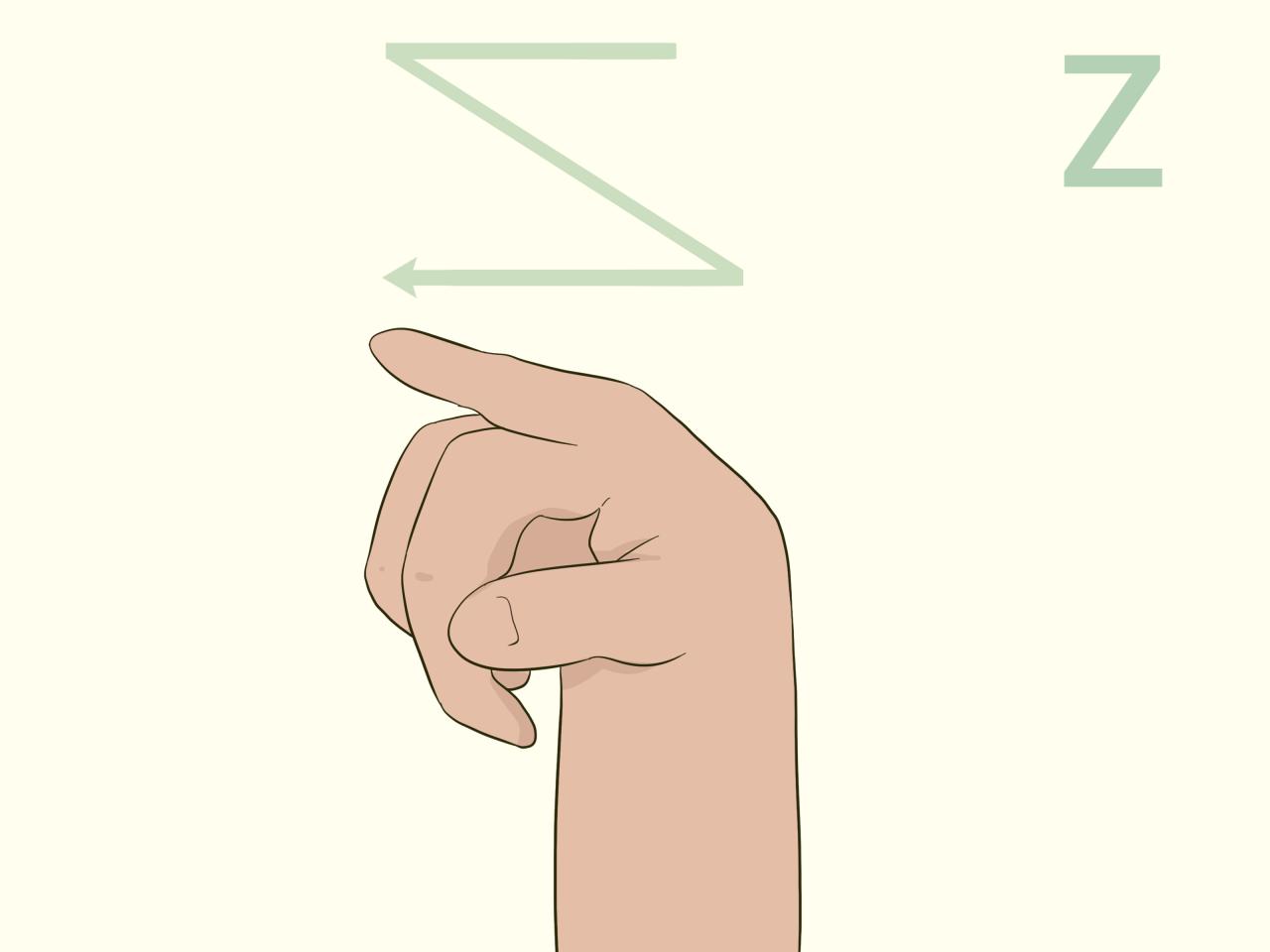
- Direction and Nature of Movement: For letters like ‘J’ and ‘Z’, the movement is a tracing motion. ‘J’ is formed by the index finger pointing up and then drawing a ‘J’ shape in the air, typically from top to bottom. ‘Z’ involves forming a ‘Z’ shape with the index finger, moving horizontally across the space. Other letters, such as ‘K’, involve a slight downward motion of the index and middle fingers after forming the initial handshape.
- Consistency of Movement: It is vital to maintain the correct direction and extent of movement. Over-exaggeration or insufficient movement can lead to misinterpretation. The movement should be smooth and deliberate, complementing the static handshape.
Impact of Hand Location on Formation
The placement of the hand relative to the signer’s body plays a role in the clarity and distinctiveness of certain ASL alphabet letters. While most letters are formed in a neutral space in front of the signer, some benefit from specific locations.
- Neutral Signing Space: The majority of letters are formed within the neutral signing space, which is generally between the shoulders and the waist, and in front of the signer’s body. This consistent placement ensures that the handshapes are easily visible to the person receiving the message.
- Location-Dependent Letters: Some letters are influenced by their location. For example, the distinction between ‘M’ and ‘N’ is sometimes clarified by the location. ‘M’ has three fingers (index, middle, and ring) extended, while ‘N’ has two (index and middle). While the handshapes are distinct, a slightly more forward placement for ‘N’ can sometimes aid in differentiation from ‘M’. However, the primary distinction lies in the finger count.
Visualizing the ASL Alphabet in Sequence
Developing the ability to visualize the entire ASL alphabet in a fluid sequence allows for faster and more natural fingerspelling. This involves understanding the transitions between letters and how the hand naturally flows from one shape to the next.
The flow between letters is as important as the individual handshapes. Smooth transitions prevent jerky movements and enhance readability.
To visualize this, imagine a continuous stream of handshapes, where the end of one letter’s formation naturally leads into the beginning of the next. For instance, the transition from ‘A’ (closed fist) to ‘B’ (all fingers extended and together) is a straightforward opening of the hand. The transition from ‘B’ to ‘C’ involves bending the fingers into a ‘C’ shape.
Practicing this sequential visualization helps to build muscle memory and a more intuitive understanding of the alphabet’s progression.
Distinction Between Uppercase and Lowercase Letters
In ASL fingerspelling, there is no inherent difference between uppercase and lowercase letters. The ASL alphabet represents a set of distinct handshapes that correspond to the English alphabet.
- Contextual Determination: Whether a fingerspelled word is interpreted as uppercase or lowercase is determined entirely by the context of the conversation or the word being spelled. For example, if you are spelling the name of a city, it will be understood as a proper noun and therefore capitalized. If you are spelling a common word, it will be understood as lowercase.
- No Handshape Variation: The handshape for ‘A’ is the same whether you are spelling “Apple” (uppercase ‘A’) or “apple” (lowercase ‘a’). The visual representation of the letter does not change.
Resources and Tools for ASL Fingerspelling Practice
Mastering ASL fingerspelling involves consistent practice and access to effective learning tools. Fortunately, a wealth of resources are available to support learners at all stages, from understanding the basic handshapes to achieving fluent fingerspelling. These resources offer visual aids, opportunities for interaction, and comprehensive reference materials to enhance your learning journey.This section will explore various resources and tools designed to aid in your ASL fingerspelling practice, ensuring you have the support needed to develop accuracy and speed.
Online Resources for Visual Aids and Demonstrations
Visual learning is paramount in acquiring ASL, and numerous online platforms provide high-quality demonstrations of the entire ASL alphabet. These resources offer clear, step-by-step visual guidance, allowing learners to observe and replicate correct handshapes and movements.
- ASL University (Lifeprint.com): This comprehensive website offers detailed explanations and video demonstrations for each letter of the ASL alphabet. It also includes quizzes and practice exercises.
- Handspeak: Handspeak provides a vast library of ASL signs and fingerspelling demonstrations, often presented with clear, high-definition videos and accompanying textual descriptions.
- YouTube Channels: Many ASL instructors and deaf creators maintain YouTube channels that feature dedicated videos on fingerspelling the alphabet, often showing letters from multiple angles and at varying speeds. Look for channels like “Bill Vicars” or “ASL That!” for reliable content.
- National Association of the Deaf (NAD): The NAD website may offer educational resources and links to reliable ASL learning materials, including those focusing on fingerspelling.
Methods for Finding ASL Practice Partners
Collaborative learning significantly boosts retention and fluency in ASL. Finding practice partners, whether hearing learners or Deaf individuals, provides invaluable opportunities for real-time feedback and interactive practice.
- Local Deaf Community Centers: Many communities have centers that host ASL classes, social events, or language exchange programs where you can meet other learners and Deaf individuals.
- University ASL Programs: Colleges and universities with ASL programs often have student clubs or community outreach initiatives that welcome new learners for practice sessions.
- Online ASL Communities and Forums: Websites and social media groups dedicated to ASL learning are excellent places to connect with potential practice partners. Platforms like Reddit (e.g., r/ASL) or dedicated ASL Facebook groups can be very helpful.
- Language Exchange Apps: Apps like Tandem or HelloTalk, while not exclusively for ASL, can connect you with native ASL users who are learning your language, facilitating a mutually beneficial exchange.
- Deaf Organizations and Events: Attending events organized by Deaf organizations, such as Deaf Awareness Week activities or cultural festivals, can provide informal settings to meet and interact with ASL users.
Benefits of Using ASL Dictionaries and Glossaries
ASL dictionaries and glossaries are indispensable tools for understanding the written representation of ASL signs and fingerspelled words. They not only define individual signs but also provide context for how fingerspelling is used within the language.ASL dictionaries and glossaries serve as essential references for learners, offering:
- Visual and Textual Definitions: They provide visual representations (often videos or diagrams) of signs and their corresponding English glosses, helping to connect the visual form with its meaning.
- Fingerspelled Word Identification: Many dictionaries include entries for commonly fingerspelled words, showing the correct sequence of letters and sometimes offering insights into variations or common abbreviations.
- Understanding of Glossing Conventions: Learning to use a glossary helps in understanding ASL glossing, a written notation system used to represent ASL signs and grammatical structures, which is crucial for accurate interpretation and transcription.
- Contextual Usage: Some advanced dictionaries provide examples of how a fingerspelled word or sign is used in different sentence structures, enhancing comprehension and application.
Apps and Software for Learning and Practicing ASL Fingerspelling
Technology offers convenient and engaging ways to learn and practice ASL fingerspelling. A variety of apps and software are available, catering to different learning styles and offering features like interactive lessons, quizzes, and progress tracking.Here is a curated list of applications and software that can significantly assist in your ASL fingerspelling journey:
- ASL Coach: This app provides lessons on the ASL alphabet, numbers, and common signs, often including interactive exercises to test your fingerspelling recognition and production.
- Marlee Signs: Developed by actress Marlee Matlin, this app offers a comprehensive ASL curriculum, including modules specifically focused on fingerspelling with clear video demonstrations and quizzes.
- Lingvano ASL: Lingvano offers a gamified approach to learning ASL, with interactive lessons that cover fingerspelling, vocabulary, and grammar. It often includes features for practicing recognition and production.
- SignSchool: SignSchool provides free ASL lessons and practice tools, including dedicated sections for fingerspelling. It often features quizzes that test your ability to recognize fingerspelled letters and words.
- The ASL App: This app focuses on building ASL vocabulary and comprehension. While it covers many aspects of ASL, it often includes features that reinforce fingerspelling as a foundational skill.
End of Discussion
As we conclude our detailed exploration of how to fingerspell the entire ASL alphabet correctly, we trust you are now equipped with the knowledge and a clear path forward to confidently practice and perfect this fundamental ASL skill. From understanding the core principles to mastering individual handshapes and developing fluidity, this guide has laid the groundwork for your success. Remember that consistent practice and seeking out opportunities to engage with the language are paramount.
We encourage you to embrace the journey of learning, celebrate your progress, and continue to refine your abilities, thereby enriching your communication within the Deaf community.