Embarking on the journey of understanding how to interact with a sign language interpreter is a crucial step towards fostering inclusive and effective communication. This guide is thoughtfully crafted to illuminate the nuances of this vital role, ensuring seamless exchanges and mutual respect.
We will delve into the fundamental purpose of interpreters, their ethical obligations, and how to prepare for successful interactions. By exploring practical strategies and addressing common challenges, this content aims to empower individuals to communicate confidently and effectively in diverse settings.
Understanding the Role of the Interpreter
Sign language interpreters are essential bridges, enabling effective communication between Deaf or Hard of Hearing individuals who use sign language and hearing individuals who do not. Their primary function is to convey messages accurately and impartially, ensuring that both parties have a complete and nuanced understanding of the conversation. This role extends beyond simple word-for-word translation, encompassing the conveyance of tone, intent, and cultural context.The interpreter acts as a conduit for information, facilitating seamless interaction in various settings, from educational institutions and medical appointments to business meetings and community events.
Their presence ensures equal access to information and participation, upholding principles of inclusivity and respect. Without a qualified interpreter, communication barriers can lead to misunderstandings, exclusion, and missed opportunities.
The Interpreter’s Fundamental Purpose
The core purpose of a sign language interpreter is to facilitate communication by accurately and completely rendering a message from one language or mode of communication to another. This involves understanding the source message in its entirety, including its linguistic and cultural nuances, and then expressing it in the target language or mode in a way that is equally comprehensible and meaningful to the recipient.
They are not participants in the conversation but rather facilitators of it.
Ethical Responsibilities and Professional Standards
Sign language interpreters adhere to a strict code of ethics and professional standards to ensure the integrity and effectiveness of their services. These guidelines are crucial for maintaining trust and providing a high-quality communication experience. Key ethical tenets include:
- Confidentiality: Interpreters are bound by strict confidentiality agreements. Information shared during an interpreted session remains private and is not disclosed to any third party without explicit consent, except where legally mandated.
- Impartiality and Neutrality: Interpreters must remain neutral and unbiased, not injecting their own opinions, interpretations, or emotions into the message. Their focus is solely on conveying the message as presented by the speaker.
- Professional Conduct: This includes maintaining appropriate professional boundaries, dressing appropriately for the setting, arriving on time, and demonstrating respect for all parties involved.
- Accuracy and Completeness: Interpreters strive for the highest level of accuracy and completeness in their renditions, ensuring that no information is omitted or added, and that the meaning is preserved.
- Impartiality: Interpreters must not influence the communication or the parties involved. They should not offer advice, engage in personal conversations, or take sides.
Maintaining Interpreter Neutrality
Maintaining neutrality is paramount to the interpreter’s role. This involves several key practices:
- Focus on the Message: The interpreter’s attention should be solely on the speaker and the message being conveyed. They avoid engaging in side conversations or becoming emotionally invested in the topic.
- Verbal and Non-Verbal Cues: While conveying the spoken word, interpreters also aim to replicate the tone, pace, and emotional intent of the speaker through their own vocalizations and facial expressions, without personal embellishment.
- Avoiding Personal Opinions: An interpreter will never offer their own thoughts or opinions on the subject matter being discussed. Their role is to facilitate understanding, not to participate in the discourse.
- Setting Boundaries: If a situation arises where maintaining neutrality is challenged, the interpreter may need to step in to clarify their role or address the issue professionally.
Common Misconceptions About Sign Language Interpreters
Several misconceptions can hinder effective collaboration with sign language interpreters. Understanding these can lead to more productive interactions:
- Misconception: Interpreters are fluent in “Sign Language” as a single entity.
Reality: Sign languages are diverse and vary geographically, much like spoken languages. There isn’t one universal sign language. For example, American Sign Language (ASL) is distinct from British Sign Language (BSL) or French Sign Language (LSF).
- Misconception: Interpreters are responsible for teaching sign language or acting as advocates.
Reality: The interpreter’s sole responsibility is to facilitate communication. They are not educators or advocates. While they possess linguistic expertise, their role is not to teach or to represent either party’s interests.
- Misconception: Interpreters can interpret any signed or spoken language.
Reality: Professional interpreters specialize in specific language pairs and may have further specializations in fields like medical, legal, or technical interpreting. A Deaf individual’s sign language proficiency and the interpreter’s fluency are crucial for accurate interpretation.
- Misconception: Interpreters are merely transcribers of words.
Reality: Interpreting involves more than just word-for-word translation. It requires understanding the cultural context, idiomatic expressions, and the overall intent of the message to convey it accurately and naturally in the target language.
- Misconception: Interpreters can read lips or understand signed communication without formal training.
Reality: While some hearing individuals may develop lip-reading skills, it is an unreliable method of communication. Professional interpreters undergo rigorous training in both sign language and interpreting methodologies.
Preparing for Interaction

Effective preparation is key to ensuring smooth and respectful communication when working with a sign language interpreter. By understanding the nuances of interacting with deaf or hard-of-hearing individuals and their interpreters, you can foster a more inclusive and productive environment. This section Artikels essential etiquette, a step-by-step guide for initiating communication, and advice for creating an optimal communication setting.When engaging with a deaf or hard-of-hearing person and their interpreter, adhering to specific etiquette points demonstrates consideration and professionalism.
These practices help bridge communication gaps and ensure everyone feels valued and understood.
Essential Etiquette Points
Before initiating communication, familiarize yourself with these crucial etiquette guidelines to create a positive and effective interaction:
- Always address the deaf or hard-of-hearing person directly, not the interpreter. Use “you” when speaking to them, even if the interpreter is relaying your message.
- Speak at a normal pace and volume. Avoid shouting or speaking too quickly, as this can distort lip movements and make lip-reading difficult for the deaf individual.
- Maintain natural facial expressions and gestures. These can provide additional context and cues for the deaf or hard-of-hearing person.
- Be patient. Communication may take longer, especially if complex information is being conveyed. Allow sufficient time for the interpreter to relay messages and for the deaf person to respond.
- If you need to repeat yourself, rephrase your message rather than just repeating the same words. This can make it easier for the deaf person to understand.
- Avoid interrupting the interpreter while they are signing or interpreting. Wait for them to finish before speaking.
- If the interpreter is struggling to understand you, do not get frustrated. Politely ask them to let you know if they need clarification.
- If you are unsure about something, it is better to ask for clarification than to make assumptions.
Initiating Communication with an Interpreter Present
Starting a conversation with a deaf or hard-of-hearing individual when an interpreter is present is straightforward when following a structured approach. This process ensures clarity and respect for all parties involved.Follow these steps to effectively initiate communication:
- Acknowledge the Interpreter: Briefly greet the interpreter and confirm they are ready to begin.
- Direct Address: Turn your attention to the deaf or hard-of-hearing person. Make eye contact and begin speaking to them directly.
- Introduce Yourself: State your name and your purpose for the interaction.
- Begin the Conversation: Ask your initial question or present your information clearly and concisely.
- Maintain Engagement: Continue to direct your communication towards the deaf or hard-of-hearing person throughout the interaction, allowing the interpreter to facilitate.
Ensuring a Comfortable and Effective Communication Environment
Creating an environment conducive to effective communication is paramount for successful interactions. This involves considering both the physical setting and the interpersonal dynamics.Consider the following to optimize your communication environment:
- Lighting: Ensure adequate lighting, particularly on your face, so the deaf or hard-of-hearing person can see your lip movements and facial expressions clearly. Avoid standing with a bright light source behind you, which can create a silhouette.
- Seating Arrangement: Position yourself so that you are facing the deaf or hard-of-hearing person and the interpreter. A semi-circular or U-shaped arrangement is often ideal, allowing for clear sightlines for everyone.
- Minimizing Distractions: Reduce background noise and visual distractions as much as possible. Turn off unnecessary equipment or move to a quieter location if feasible.
- Interpreter’s Position: Allow the interpreter to position themselves where they can best see and be seen by the deaf or hard-of-hearing person, and where they can clearly see you.
- Breaks: If the interaction is lengthy, consider scheduling short breaks. Interpreting is mentally demanding, and breaks can help maintain interpreter stamina and focus.
The Importance of Direct Eye Contact
Maintaining direct eye contact with the deaf or hard-of-hearing person is a fundamental aspect of respectful and effective communication. This practice acknowledges their presence, ensures engagement, and facilitates a more personal connection.Direct eye contact serves several critical functions:
- Sign of Respect: It conveys that you are attentive and value their participation in the conversation.
- Engagement Indicator: It signals that you are speaking to them directly and are interested in their response.
- Facilitates Understanding: For individuals who lip-read, direct eye contact allows them to better observe your facial expressions and lip movements, which are integral to understanding spoken language.
- Builds Rapport: Consistent eye contact helps to establish trust and build a stronger rapport between you and the deaf or hard-of-hearing individual.
- Shows You Are Speaking to Them: Even when an interpreter is present, looking at the deaf person reinforces that you are addressing them, not just the interpreter.
“Eye contact is a non-verbal cue that speaks volumes, conveying respect, attentiveness, and genuine engagement.”
Effective Communication Strategies

Successfully interacting with a sign language interpreter hinges on employing effective communication strategies that bridge the gap between spoken and signed languages. This section will explore practical techniques to ensure clarity, enhance understanding, and navigate potential communication challenges.
Speaking Clearly and at a Natural Pace
When an interpreter is present, it is crucial to maintain a natural speaking style. This involves enunciating words clearly without exaggerating mouth movements, which can distort lip-reading cues. Speaking at a moderate pace allows the interpreter sufficient time to process and translate your message accurately into sign language. Avoid rushing your speech or pausing excessively, as both can disrupt the flow of interpretation.
Utilizing Visual Cues and Gestures
Spoken language is not the only channel of communication. Visual cues and natural gestures play a vital role in enhancing comprehension alongside spoken words. Employing gestures that align with your spoken message can provide context and reinforce meaning for the Deaf or hard-of-hearing individual. Pointing to objects, using descriptive hand movements, and maintaining appropriate eye contact can significantly aid the interpreter and the recipient in understanding the intended message.
Clarifying Information During Miscommunication
Miscommunication can occur in any interaction, and when working with an interpreter, specific strategies are needed for clarification. Instead of repeating the exact same sentence, which may lead to the same misunderstanding, rephrasing the information using different words is often more effective. This allows the interpreter to find alternative signs or phrasing that might resonate better. If a significant misunderstanding persists, it may be helpful to ask the interpreter to sign back what they have understood to confirm accuracy.
The following table Artikels common methods for clarifying information and their comparative effectiveness:
| Method | Description | Effectiveness |
|---|---|---|
| Repeating the exact phrase | Saying the same words again. | Low. Often results in the same misunderstanding. |
| Rephrasing with different words | Expressing the same idea using alternative vocabulary and sentence structure. | High. Provides the interpreter with new linguistic options for translation. |
| Using simpler language | Breaking down complex ideas into shorter, more straightforward sentences. | High. Reduces cognitive load for both the interpreter and the recipient. |
| Asking the interpreter to sign back understanding | The interpreter conveys their understanding of the message in sign language. | Very High. Directly confirms comprehension and identifies specific points of confusion. |
Overcoming Common Communication Barriers
Several communication barriers can arise when working with a sign language interpreter. These can include environmental factors, linguistic differences, and assumptions.
Here are common barriers and strategies to overcome them:
- Environmental Noise and Visual Distractions: Loud environments can impede the interpreter’s ability to hear and focus. Ensure the setting is as quiet and free from distractions as possible. Position yourself and the interpreter in a way that allows for clear visual access to each other.
- Unfamiliar Terminology or Jargon: Technical terms or specialized vocabulary can be challenging for interpreters if they are not familiar with them. When using such language, consider providing a brief explanation or a written definition beforehand if possible.
- Cultural Nuances: Communication styles and cultural references can differ. Be mindful of idioms or expressions that may not translate directly and be prepared to explain them if necessary.
- Pace and Flow: Speaking too quickly or in long, uninterrupted monologues can overwhelm the interpreter. Maintain a steady pace and pause occasionally to allow for interpretation.
- Assumptions about Understanding: It is important not to assume that the message has been fully understood. Regularly check for comprehension, especially when discussing complex topics.
Rephrasing Complex Sentences for Better Comprehension
Complex sentences, with multiple clauses and abstract concepts, can be particularly challenging to interpret accurately. Rephrasing these sentences into simpler, more direct statements significantly enhances understanding.
Consider the following scenario:
Original complex sentence: “Given the current economic climate and the projected fluctuations in consumer spending, it is imperative that we reassess our marketing strategies to ensure optimal resource allocation and sustained brand visibility throughout the upcoming fiscal quarter.”
To rephrase this for better comprehension, we can break it down:
- Identify the core message: We need to change our marketing plans.
- Explain the reasons: The economy is uncertain, and people might spend less.
- State the goal: This will help us use our money wisely and stay visible.
- Specify the timeframe: This is for the next three months.
A rephrased version could be:
“Because the economy is uncertain and people might spend less money, we need to update our marketing plans. This will help us use our budget effectively and keep our brand visible for the next three months.”
This simplified version is more accessible and easier for both the interpreter and the recipient to process and understand.
Addressing Specific Scenarios
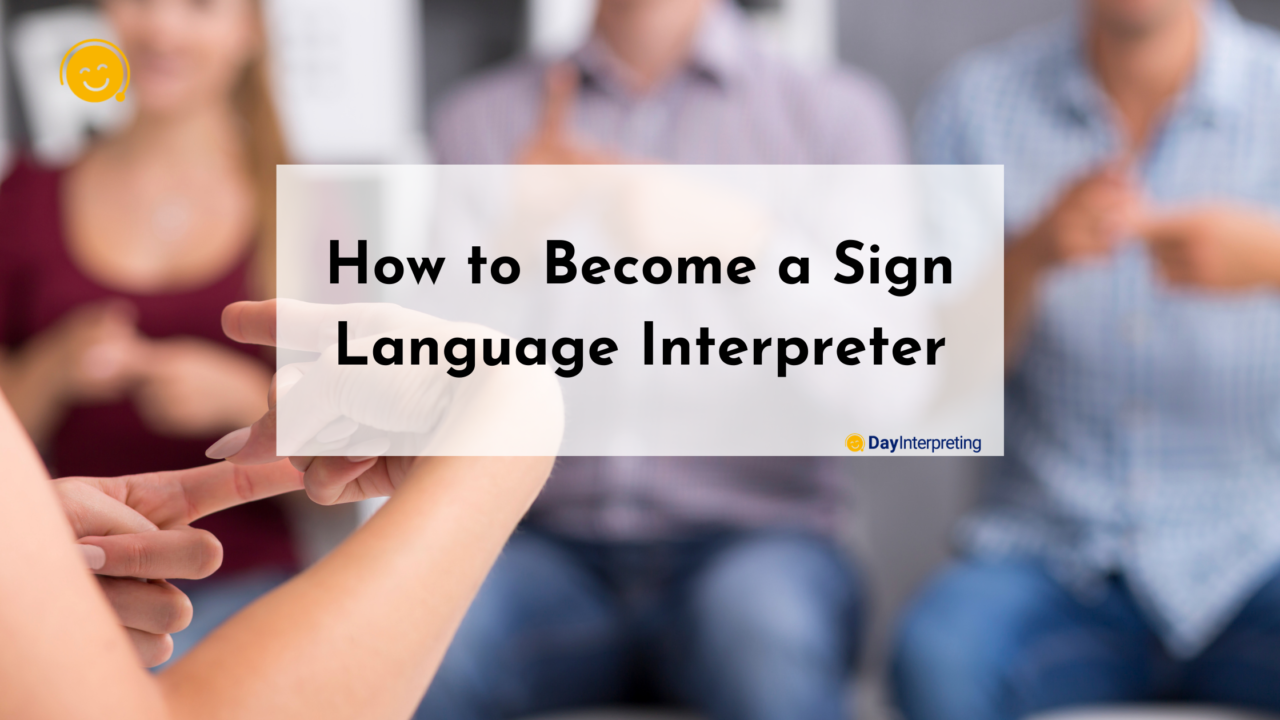
Interacting with a sign language interpreter can vary depending on the context. Understanding how to navigate different settings, from formal group discussions to casual social events, ensures a smooth and effective communication experience for everyone involved. This section provides guidance tailored to various environments.
Group Settings
In group settings such as meetings, conferences, or presentations, the interpreter’s role is to facilitate communication between Deaf or hard-of-hearing individuals and the hearing participants. It is important to ensure the interpreter has a clear line of sight to all speakers and that the environment is conducive to effective interpretation.
- Seating Arrangements: Position the Deaf participant and the interpreter so they can easily see each other and the speakers. Ideally, the interpreter should be seated or standing beside the Deaf participant, facing the speakers.
- Turn-Taking: Allow the interpreter time to process and interpret. Avoid speaking simultaneously or interrupting. Address the Deaf participant directly, even when the interpreter is present.
- Visual Aids: If visual aids like slides or videos are used, ensure they are displayed in a way that both the Deaf participant and the interpreter can see them clearly. The interpreter may need to pause or repeat information presented visually.
- Pacing: Speak at a moderate pace. If a speaker is speaking too quickly, the interpreter may need to ask them to slow down.
- Group Dynamics: In large groups, encourage participants to speak one at a time. If there are multiple Deaf participants, consider if additional interpreters are needed for adequate coverage.
One-on-One Conversations
One-on-one interactions with an interpreter are often more straightforward, allowing for direct and focused communication. The key is to maintain a natural conversational flow while acknowledging the interpreter’s presence.
- Direct Address: Always speak directly to the person you are communicating with, not to the interpreter. For example, say “How are you?” to the Deaf individual, not “Ask them how they are.”
- Eye Contact: Maintain eye contact with the Deaf person you are conversing with. The interpreter will relay your message, but the primary interaction should be between you and the Deaf individual.
- Natural Flow: Engage in a natural conversation. The interpreter is there to bridge the communication gap, not to alter the flow of your discussion.
- Clarification: If you are unsure if your message has been understood, or if the Deaf person needs to clarify something, they will typically signal this to the interpreter. Be patient and allow for these exchanges.
Educational and Medical Environments
Educational and medical settings require a high degree of accuracy and sensitivity. Interpreters in these environments play a crucial role in ensuring access to information and services.
Educational Environments
In schools, colleges, and universities, interpreters facilitate learning for Deaf and hard-of-hearing students.
- Classroom Dynamics: The interpreter should be positioned to see both the instructor and the student. The student should have a clear view of the interpreter.
- Instructional Materials: Ensure that all handouts, presentations, and other learning materials are accessible to the interpreter, either in advance or at the time of the lesson.
- Participation: Encourage the Deaf student to participate fully in class discussions and activities. The interpreter will facilitate their contributions.
- Testing: For exams and assessments, ensure that the interpreter is aware of the format and any specific instructions. Accommodations may be necessary to ensure fair assessment.
Medical Environments
In healthcare settings, interpreters are vital for patients to understand diagnoses, treatment plans, and to communicate their symptoms and concerns.
- Patient Privacy: Medical interpreters adhere to strict confidentiality agreements. They are trained to handle sensitive medical information with discretion.
- Clarity of Information: The interpreter will strive to convey medical information accurately. If a medical professional uses complex jargon, the interpreter may ask for clarification to ensure they can interpret it effectively.
- Patient Comfort: Ensure the patient feels comfortable and empowered to communicate their needs. The interpreter is a facilitator, not a substitute for the patient-doctor relationship.
- Emergency Situations: In emergencies, the interpreter’s ability to quickly and accurately convey information is paramount. Pre-arranged access to interpreters or readily available resources is crucial.
Informal Social Gatherings
Even in casual settings like parties or family events, using an interpreter can greatly enhance inclusivity and enjoyment for Deaf or hard-of-hearing individuals.
- Inclusivity: Make an effort to include the Deaf person in conversations and activities. The interpreter can help bridge gaps when multiple conversations are happening simultaneously.
- Facilitating Interaction: If you are hosting or attending, consider how to best facilitate interaction. This might involve periodically bringing conversations to a common point where the interpreter can assist.
- Breaks: Interpreters may need breaks, especially during long social events. Arrange for relief interpreters if necessary to ensure continuous communication access.
- Patience and Understanding: Social settings can be noisy and dynamic. A little patience and understanding go a long way in ensuring everyone feels included and heard.
Visual Considerations and Environment
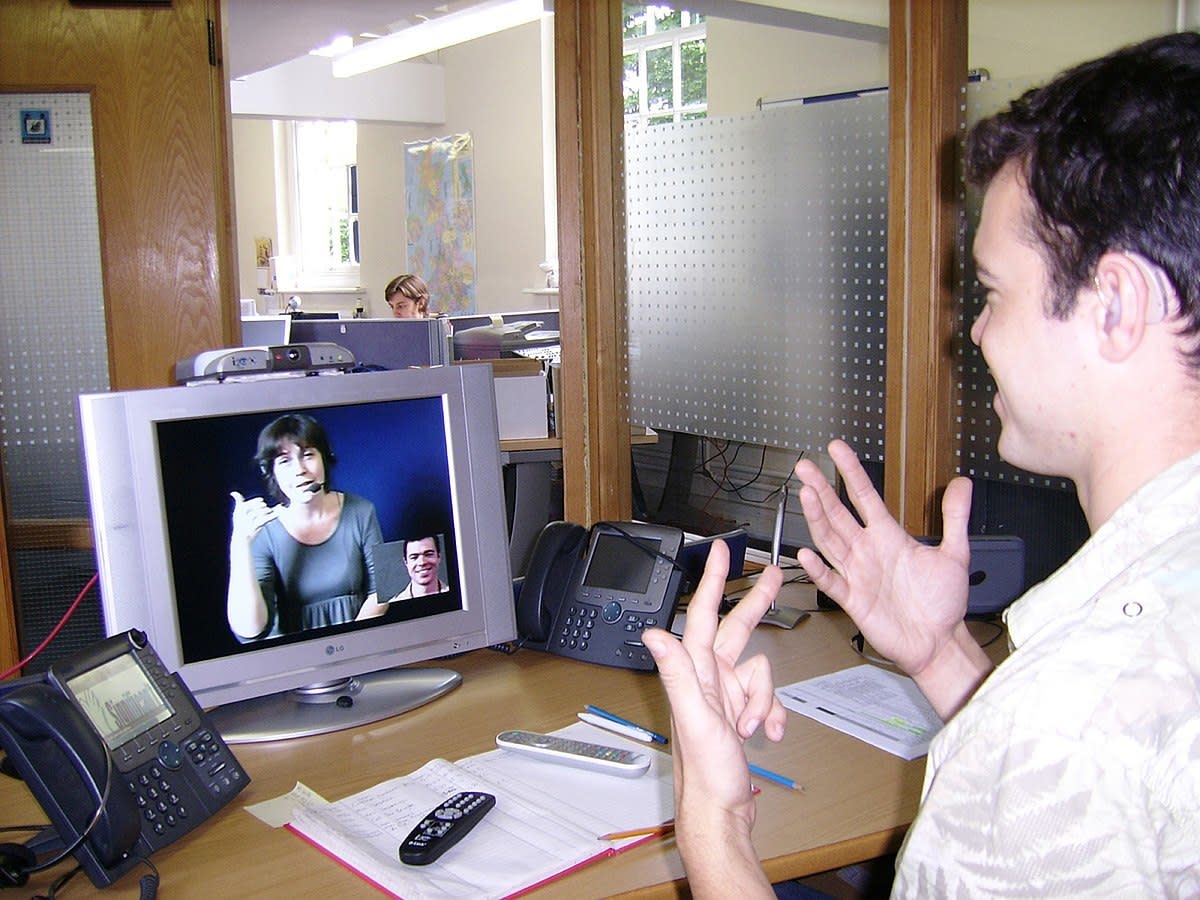
Ensuring clear visual access is paramount for effective sign language interpretation. The environment in which communication takes place plays a significant role in the interpreter’s ability to convey messages and the deaf individual’s ability to receive them accurately. This section focuses on optimizing the visual aspects of the communication setting.The visibility of sign language and the nuances of lip-reading are heavily influenced by environmental factors such as lighting and background.
Inadequate lighting can obscure handshapes, facial expressions, and body language, all of which are critical components of signed communication. Similarly, a cluttered or distracting background can divert attention and make it difficult for the deaf individual and the interpreter to focus on the visual information being exchanged.
Environmental Factors for Optimal Communication
Several environmental elements can either hinder or facilitate successful sign language interpretation. A proactive approach to managing these factors can significantly improve the communication experience for all parties involved.Here is a checklist of environmental factors that contribute to optimal communication:
- Lighting: Sufficient and appropriate lighting is essential. It should illuminate the interpreter and the deaf individual without casting harsh shadows or creating glare. Natural light is often ideal, but artificial lighting should be positioned to provide even illumination on the faces and signing spaces of those involved.
- Background: The background should be neutral and non-distracting. Solid, contrasting colors are generally preferred over busy patterns or bright, attention-grabbing imagery. This helps to keep the focus on the individuals communicating.
- Noise Levels: While this section focuses on visual aspects, it’s worth noting that excessive background noise can also impact lip-reading and the interpreter’s ability to monitor spoken language.
- Space and Arrangement: Adequate space is needed for the interpreter to stand or sit comfortably and for the deaf individual to see the interpreter clearly. The physical arrangement of individuals is crucial.
Ideal Placement for Clear Visual Access
The physical positioning of the speaker, the deaf person, and the interpreter is a critical determinant of clear visual access. Strategic placement ensures that the interpreter has a clear line of sight to the speaker and that the deaf person can see both the interpreter and, when necessary, the speaker.For optimal communication, consider the following placement:
- The interpreter should be positioned between the speaker and the deaf individual, or slightly to the side of the deaf individual, ensuring a direct line of sight to both.
- The deaf individual should be seated or standing in a position where they have a clear, unobstructed view of the interpreter’s signing space, which includes their hands, face, and upper body.
- The speaker should be positioned so that the interpreter can easily see their face and hear their voice, facilitating accurate interpretation of both spoken words and non-manual markers (facial expressions and body language).
- In group settings, it is beneficial to arrange seating in a semi-circle or a U-shape, allowing the interpreter to easily shift their focus between multiple speakers and ensure the deaf individual has visual access to all participants.
Visual Components of an Effective Communication Space
A well-lit and uncluttered space is fundamental to facilitating sign language interpretation. The visual environment should be designed to minimize distractions and maximize the clarity of signed communication.The visual components of a conducive space include:
- Even Illumination: The entire signing space should be evenly lit. Avoid having the interpreter or the deaf individual in shadow or silhouetted against a bright background. If using artificial lights, position them to face the individuals, not behind them.
- Neutral and Uncluttered Background: A plain wall or a neutral-colored screen is ideal. Avoid windows with bright outdoor scenes directly behind the individuals, busy artwork, or areas with a lot of movement that could distract from the communication.
- Clear Sightlines: Ensure there are no physical obstructions between the interpreter and the deaf individual, or between the interpreter and the speaker. This includes furniture, plants, or other people.
- Appropriate Distance: The distance between the deaf individual and the interpreter should be comfortable for both, allowing for clear visual perception of signs and expressions without requiring excessive head movement.
Handling Potential Challenges
Effective communication relies on proactive strategies to navigate unforeseen difficulties. This section provides guidance on managing common challenges that may arise during interactions involving sign language interpreters, ensuring a smoother and more productive experience for all involved.When unexpected disruptions occur or when clarity is needed, a calm and collaborative approach is essential. By understanding how to address these situations, you contribute to a respectful and efficient communication environment.
Managing Interruptions and Distractions
Interruptions and distractions can disrupt the flow of interpreted communication. Having a plan in place helps to minimize their impact and maintain focus.When interruptions or distractions occur, it is important to:
- Gently signal for the interruption to pause, if possible, and acknowledge the distraction without derailing the primary conversation.
- Briefly address the interruption or distraction, then calmly redirect attention back to the interpreted dialogue.
- If the distraction is significant and prolonged, consider pausing the interpretation and reconvening when the environment is more conducive to communication.
Addressing Interpreter Clarification and Repetition Needs
Interpreters may occasionally need to ask for clarification or repetition to ensure accuracy. This is a standard part of the interpreting process and should be accommodated.Situations where an interpreter needs to clarify or ask for repetition indicate a commitment to accurate relay of information. It is important to:
- Respond patiently and clearly when an interpreter requests repetition or clarification.
- Rephrase your statement if necessary, using simpler language or a different approach.
- Understand that the interpreter’s request is for the benefit of all parties, ensuring the message is conveyed precisely.
Ensuring Understanding of the Interpreter’s Role
Questions about the interpreter’s role can arise, especially in unfamiliar settings. Clearly defining and reinforcing their function is crucial for smooth interaction.To ensure all parties understand the interpreter’s role:
- Begin interactions by briefly introducing the interpreter and stating their function, for example, “This is [Interpreter’s Name], our sign language interpreter, who will be facilitating our communication.”
- If questions arise, the interpreter can explain their role in maintaining neutrality, conveying messages accurately, and adhering to ethical guidelines.
- Reinforce that the interpreter is a conduit for communication, not a participant in the discussion.
Identifying and Addressing Interpreter Fatigue
Interpreting is a mentally demanding task, and fatigue can impact performance. Recognizing the signs of fatigue and taking appropriate action is vital for maintaining quality.Potential signs of interpreter fatigue include:
- Decreased accuracy in interpretation.
- Slower response times.
- Increased requests for repetition or clarification from the interpreter’s side.
- Changes in body language, such as appearing less engaged or more withdrawn.
When signs of fatigue are observed, it is appropriate to:
- Suggest a short break for the interpreter.
- If the session is lengthy, consider arranging for a second interpreter to share the workload.
- Check in with the interpreter to see if they need a moment to rest or rehydrate.
Understanding Sign Language Nuances
Effective communication with a sign language interpreter extends beyond basic understanding to appreciating the rich and intricate nature of sign languages themselves. Recognizing these nuances can significantly enhance the clarity and accuracy of the interpreted message, fostering a more inclusive and respectful interaction. This section delves into the subtle yet crucial aspects of sign languages that impact interpretation.Sign languages are not monolithic; they are living languages with their own linguistic structures, variations, and cultural influences.
Just as spoken languages have regional accents and dialects, sign languages exhibit diversity that interpreters must navigate. Understanding these differences is key to accurate and culturally sensitive communication.
Regional and Dialectal Variations
Sign languages, like their spoken counterparts, possess regional and dialectal variations. These differences can manifest in vocabulary, grammar, and even the execution of signs. An interpreter’s proficiency often includes familiarity with the specific sign language variety used by the Deaf community they are serving.For instance, American Sign Language (ASL) has variations across different regions of the United States. A sign for “coffee” might be produced differently in New York than in California.
Similarly, British Sign Language (BSL) has its own set of regional variations distinct from ASL. These variations are not random; they develop organically within communities over time, influenced by geographical separation, migration patterns, and local cultural developments.
Facial Expressions and Body Language in Grammar and Emotion
Facial expressions and body language are not merely decorative elements in sign languages; they are integral grammatical components and convey emotional tone. These non-manual markers (NMMs) provide crucial information that would be conveyed through intonation, word order, or specific grammatical particles in spoken languages.Facial expressions can indicate:
- Question types: Eyebrow raising or furrowing can differentiate between yes/no questions and wh-questions.
- Sentence structure: Specific facial movements can mark the beginning or end of a clause.
- Intensity: The size and speed of facial movements can denote the intensity of an adjective or adverb.
- Emotional state: A wide range of emotions are expressed through facial muscles, adding depth and context to the signed message.
Body language, including head tilts, shoulder movements, and the positioning of the torso, also plays a vital role in conveying grammatical information and emphasis. For example, a slight head tilt might indicate a conditional clause, while a shift in body posture could denote a change in perspective or the introduction of a new topic.
Classifiers and Spatial Grammar
Classifiers and spatial grammar are sophisticated linguistic tools used extensively in sign languages to describe objects, their properties, and their movement or location. These elements allow signers to paint vivid pictures and convey complex spatial relationships efficiently.Classifiers are specific handshapes that represent categories of nouns (e.g., vehicles, people, flat objects). When used with movement and location, they can depict:
- The appearance of an object: A handshape representing a person might be used to show their height or build.
- The movement of an object: A classifier for a car can be used to show it driving down a road.
- The location of an object: A classifier can indicate where an object is placed or how it interacts with its environment.
Spatial grammar refers to the use of the signing space to represent real-world spatial relationships. Locations in the signing space can be assigned to referents (people, places, things), and subsequent signs can refer back to these established locations. This allows for efficient and nuanced descriptions of scenes, events, and interactions. For example, an interpreter might establish two people in the signing space and then use those established locations to describe their conversation or interaction.
Cultural Context Influences Interpretation
The interpretation of sign language is deeply intertwined with cultural context. What is considered polite, direct, or appropriate can vary significantly between cultures, and these norms are reflected in sign language usage. An interpreter must be culturally competent to ensure the message is conveyed accurately and respectfully.For example:
- Directness: In some Deaf cultures, directness in communication is valued, while in others, a more indirect approach might be preferred. This can influence the phrasing and tone of the interpreted message.
- Taboo subjects: The way sensitive or taboo subjects are discussed can differ across cultures, and interpreters must be aware of these cultural sensitivities to avoid causing offense.
- Social etiquette: Greetings, leave-takings, and expressions of gratitude can have specific cultural nuances in sign languages that an interpreter must understand to facilitate smooth social interactions.
- Humor and idioms: Understanding cultural references, humor, and idiomatic expressions is crucial for accurate interpretation, as literal translations often fail to capture the intended meaning.
Final Conclusion
In conclusion, mastering the art of interacting with a sign language interpreter enriches communication for all involved. By embracing the principles of respect, clarity, and environmental awareness, we can build stronger connections and ensure that every voice is heard and understood. This comprehensive approach not only facilitates immediate communication but also cultivates a more accessible and equitable world.