Embarking on the journey to master the nuances of American Sign Language proficiency testing is an exciting endeavor, and with How to Prepare for an ASL Proficiency Test as your guide, you’re set for an insightful exploration. This comprehensive overview will illuminate the path forward, offering clarity and encouragement as you navigate the stages of assessment and skill enhancement.
Understanding the structure of ASL proficiency tests, evaluating your current abilities, and systematically developing your signing fluency and comprehension are paramount to achieving your goals. This guide delves into practical strategies for expanding your vocabulary, mastering idioms, and simulating test conditions to build confidence and ensure you are well-equipped for success.
Understanding the ASL Proficiency Test Structure
Navigating an ASL proficiency test requires a clear understanding of its architecture. These assessments are designed to evaluate a learner’s ability to comprehend and produce American Sign Language across various contexts and skill levels. Familiarity with the typical components and scoring mechanisms will significantly demystify the process and allow for targeted preparation.ASL proficiency tests are generally structured to assess a range of linguistic abilities, mirroring the complexities of spoken language acquisition.
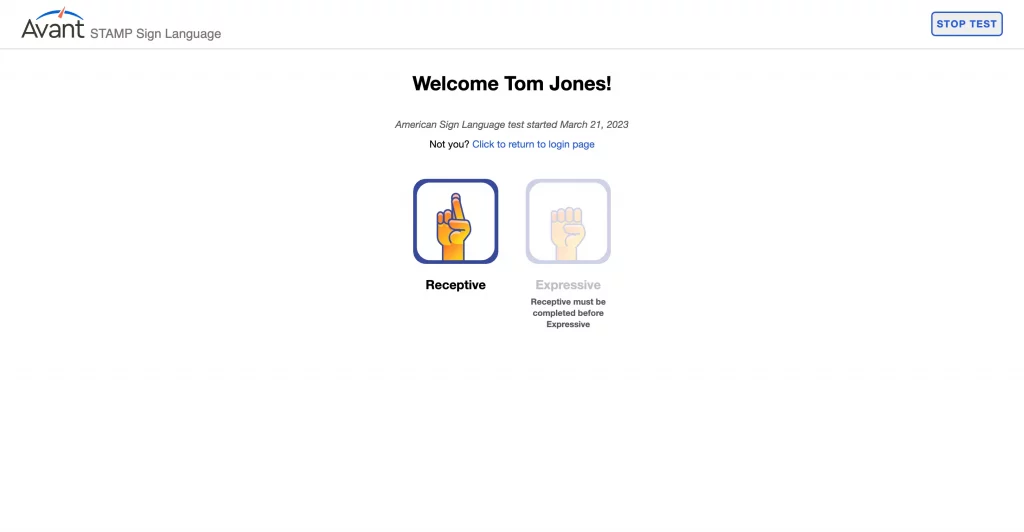
They often include sections that evaluate receptive skills (understanding ASL) and expressive skills (producing ASL). The specific format and content can vary depending on the certifying body and the intended proficiency level, but a consistent framework underpins most evaluations.
Typical Sections and Formats
Proficiency tests in ASL commonly comprise several distinct sections, each designed to assess different aspects of language competence. These sections may include receptive skills, such as understanding signed narratives or conversations, and expressive skills, like producing signed responses or descriptions.
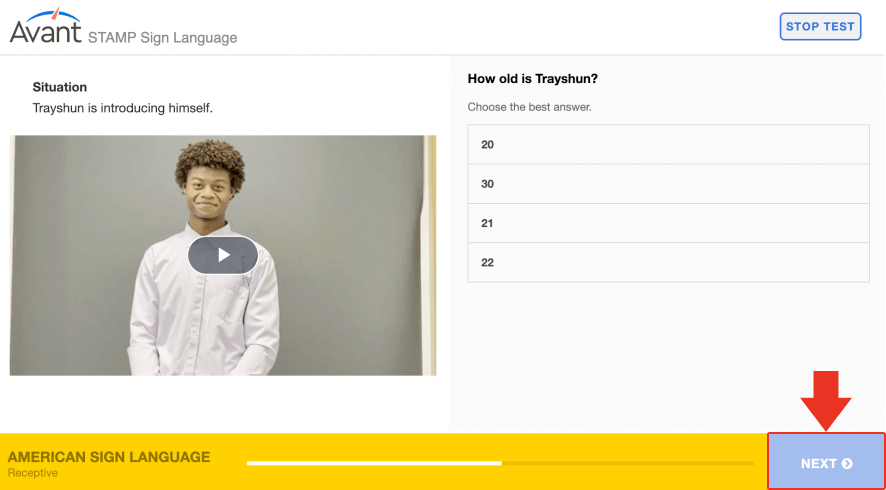
- Receptive Skills Assessment: This section typically involves watching video segments of ASL and then demonstrating comprehension. This can take the form of answering multiple-choice questions, providing written or signed answers to specific questions about the video, or summarizing the content.
- Expressive Skills Assessment: Here, the test-taker is required to produce ASL. This might involve describing a picture or a scenario, retelling a story, engaging in a simulated conversation, or answering questions posed by an examiner in ASL.
- Grammar and Vocabulary Knowledge: Some tests may include components that directly assess knowledge of ASL grammar rules, sign variations, and vocabulary through written exercises or signed responses.
- Cultural Competence: Depending on the test’s scope, elements assessing understanding of Deaf culture and its nuances may also be incorporated.
Common Scoring Criteria
The evaluation of ASL proficiency relies on a set of standardized criteria that focus on various linguistic and performance aspects. These criteria ensure a consistent and objective assessment of a test-taker’s abilities, regardless of the examiner.
- Fluency: This refers to the smoothness and naturalness of the signing, including pace, rhythm, and the absence of excessive hesitation or pauses.
- Accuracy: This encompasses the correct formation of signs (handshape, location, movement, orientation), appropriate use of non-manual markers (facial expressions, body posture), and grammatical correctness.
- Comprehensibility: The extent to which the signed communication is understood by the evaluator. This is influenced by clarity of signs, appropriate use of space, and effective communication strategies.
- Vocabulary Range: The diversity and appropriateness of the signs used to convey meaning, reflecting a rich lexicon.
- Grammatical Structure: The correct application of ASL’s unique grammatical features, such as spatial referencing, verb modulation, and the use of classifiers.
- Use of Non-Manual Markers: The accurate and integrated use of facial expressions, head tilts, shoulder shifts, and other non-manual signals to convey grammatical information and emotional tone.
Examples of Question Types by Proficiency Level
The complexity and nature of questions in an ASL proficiency test evolve significantly with the target proficiency level, from beginner to advanced. This progression allows for a nuanced evaluation of a learner’s developing skills.
- Beginner (e.g., Novice-Low to Novice-High):
- Receptive: Identifying individual signs from a short list, understanding simple directional questions, recognizing basic greetings and common phrases.
- Expressive: Producing individual signs for common objects or actions, signing basic personal information (name, origin), responding to simple yes/no questions with signs.
- Intermediate (e.g., Intermediate-Low to Intermediate-High):
- Receptive: Understanding short narratives or descriptions, following simple instructions, comprehending basic conversations on familiar topics.
- Expressive: Describing a familiar person, place, or object, narrating a simple event, engaging in short, predictable conversations, asking and answering questions about daily routines.
- Advanced (e.g., Advanced-Low to Superior):
- Receptive: Comprehending complex narratives, abstract discussions, and specialized vocabulary; understanding nuanced humor and cultural references.
- Expressive: Discussing abstract topics, presenting information on unfamiliar subjects, engaging in spontaneous, extended conversations, summarizing complex texts or discussions.
Sample Test Structure for a Beginner to Intermediate ASL User
A well-structured ASL proficiency test for users progressing from beginner to intermediate levels would typically incorporate a balanced assessment of both receptive and expressive skills, gradually increasing in complexity.
| Section | Description | Example Task |
|---|---|---|
| Receptive Skills: Basic Comprehension | Understanding individual signs and short, common phrases. | Watch a video of five common signs (e.g., “hello,” “thank you,” “yes,” “no,” “name”). Identify each sign. |
| Following simple, direct commands or questions. | Watch a video of someone signing “Give me the book.” Respond by pointing to a book. | |
| Expressive Skills: Basic Production | Producing common signs accurately. | Sign the ASL word for “apple” and “water.” |
| Introducing oneself and providing basic personal information. | Sign your name and where you are from. | |
| Receptive Skills: Narrative Comprehension (Short) | Understanding a short, simple signed story or description. | Watch a 30-second video of someone describing their pet. Answer 2-3 multiple-choice questions about the pet’s characteristics. |
| Comprehending simple Q&A exchanges. | Watch a video of two people asking and answering basic questions about their hobbies. Summarize one person’s hobby in writing. | |
| Expressive Skills: Description and Simple Narration | Describing a familiar object or person. | Describe a common household object (e.g., a chair) using its visual characteristics. |
| Retelling a very short, familiar event. | Briefly describe what you did this morning (e.g., “I ate breakfast”). | |
| Integrated Skills: Simple Conversation Simulation | Engaging in a brief, predictable dialogue. | Respond to examiner’s simple questions like “What is your favorite color?” and “Do you have siblings?” |
Assessing Your Current ASL Skills
Before embarking on the journey of preparing for an ASL Proficiency Test, a thorough and honest evaluation of your current signing abilities is paramount. This self-assessment will pinpoint your strengths, allowing you to leverage them during the test, and identify areas needing focused improvement, ensuring you allocate your study time effectively. Understanding where you stand is the crucial first step towards achieving your desired proficiency level.This section will guide you through a comprehensive process of evaluating your ASL skills, covering both your expressive signing and receptive comprehension.
By employing the methods described, you will gain a clear picture of your current ASL proficiency and develop a targeted plan for improvement.
Signing Fluency Identification
Identifying areas of strength and weakness in your signing fluency is fundamental to targeted preparation. This involves a critical look at your speed, clarity, use of space, and non-manual markers. A systematic approach can help you objectively measure these aspects.To assist in this process, a self-assessment checklist can be an invaluable tool. This checklist breaks down signing fluency into key components, allowing you to rate your performance in each area.
It encourages self-reflection and provides a structured way to document your observations.
Consider the following checklist to evaluate your signing fluency:
- Clarity of Handshapes: Are your handshapes distinct and accurately formed for each sign?
- Movement Accuracy: Is the movement of your signs precise and consistent with standard ASL?
- Palm Orientation: Is your palm orientation correct for each sign, and does it change appropriately when needed?
- Location: Are signs produced in the correct location in relation to your body and neutral space?
- Non-Manual Markers (NMMs): Are you effectively using facial expressions, head tilts, and body shifts to convey grammatical information and emotion?
- Signing Space: Are you utilizing your signing space efficiently and appropriately for different signs and referents?
- Rhythm and Pace: Is your signing pace natural and consistent, neither too fast nor too slow?
- Flow and Cohesion: Do your signs connect smoothly, creating a natural flow of communication?
- Use of the Dominant Hand: Is your dominant hand used consistently for signs that require it?
- Production of Specific Sign Types: How comfortable and accurate are you with producing directional signs, classifiers, and initialized signs?
Recording and Reviewing Signing for Improvement
The act of recording yourself signing is one of the most effective methods for identifying subtle errors and areas for improvement that might otherwise go unnoticed. Reviewing these recordings allows for an objective analysis of your signing, much like an instructor would provide. This practice is crucial for bridging the gap between your perceived signing ability and your actual performance.The process of recording and reviewing should be a regular part of your preparation.
It provides tangible evidence of your progress and highlights specific signs or grammatical structures that require more attention. By consistently engaging in this feedback loop, you accelerate your learning curve and build confidence in your signing.
Here are methods for recording and reviewing your signing:
- Video Recording: Use a smartphone, webcam, or digital camera to record yourself signing. Ensure good lighting and a clear view of your signing space.
- Mirror Practice: While not a recording method, practicing in front of a mirror can offer immediate visual feedback on handshapes, movements, and facial expressions.
- Self-Analysis Checklist: After recording, review the footage with a specific checklist in mind, focusing on the elements mentioned in the “Signing Fluency Identification” section.
- Compare to Native Signers: Watch videos of native ASL signers and compare their signing to yours. Pay attention to nuances in their signing that you may be missing.
- Focus on Specific Skills: Dedicate recording sessions to practicing specific grammatical structures, types of signs (e.g., classifiers), or narrative storytelling.
- Seek Feedback: If possible, share your recordings with ASL tutors, fluent signers, or study partners for their objective feedback.
- Document Progress: Keep a log of your recordings and notes on areas for improvement. This documentation helps track your progress over time.
Evaluating Receptive ASL Skills
Assessing your receptive ASL skills, or your ability to understand signed ASL, is just as critical as evaluating your expressive abilities. A strong understanding of signed communication is essential for effective interaction and for accurately interpreting the prompts or questions during a proficiency test. This evaluation requires engaging with authentic ASL content and analyzing your comprehension.Developing robust receptive skills involves consistent exposure to a variety of ASL users and signing styles.
The ability to process information quickly and accurately, while also understanding nuances in meaning, is a hallmark of strong ASL comprehension.
Techniques for evaluating your receptive ASL skills include:
- Watching ASL Videos: Regularly watch ASL videos, including lectures, vlogs, storytelling, and interviews from reputable ASL content creators.
- Comprehension Checks: After watching a video, try to summarize the main points in writing or by signing them yourself.
- ASL Storytelling Analysis: Listen to ASL stories and identify the plot, characters, and key events. Note any signs or grammatical features you did not understand and look them up.
- ASL Conversations: Engage in conversations with fluent ASL signers and pay close attention to your understanding. Note any recurring comprehension difficulties.
- ASL Dictionaries and Resources: Use ASL dictionaries and online resources to look up signs you don’t recognize or understand in context.
- Practice with Different Signers: Expose yourself to various signing speeds, regional dialects, and signing styles to improve your adaptability.
- Focus on NMMs: Pay particular attention to how non-manual markers contribute to the meaning of signed sentences.
- Transcribing ASL (Advanced): For a rigorous evaluation, try to transcribe short ASL segments, focusing on accurately representing the signs and grammatical structures.
Developing Signing Fluency and Accuracy
Achieving fluency and accuracy in American Sign Language (ASL) is paramount for a successful proficiency test. This involves not only knowing the signs but also executing them smoothly, clearly, and with correct grammatical structure. This section focuses on practical methods to enhance both the speed and precision of your signing, ensuring you can communicate effectively and confidently.
Developing strong signing fluency and accuracy requires dedicated practice and a systematic approach. It’s about internalizing the language so that your signing becomes natural and effortless, reflecting a deep understanding of ASL’s nuances. The following strategies and exercises are designed to help you refine your signing skills to meet the demands of a proficiency assessment.
Establishing a Practice Routine for Speed and Clarity
A consistent and structured practice routine is essential for improving the speed and clarity of your ASL signs. Regular engagement with the language helps to build muscle memory, enhance visual perception, and refine the articulatory precision of your signs. Consider incorporating the following elements into your daily or weekly practice schedule:
- Timed Signing Drills: Set a timer and practice signing a list of vocabulary words or short phrases. Aim to increase the number of signs you can accurately produce within a given time frame. Start with easier vocabulary and gradually move to more complex signs.
- Mirror Practice: Stand in front of a mirror and sign. Observe your handshapes, movements, and facial expressions. This allows you to identify and correct any deviations from the standard or clear production of signs. Pay close attention to the orientation of your palms and the path of your movements.
- Video Recording and Review: Record yourself signing narratives, dialogues, or specific vocabulary sets. Watching these recordings back allows for objective self-assessment. You can compare your signing to native signers or instructional videos to identify areas for improvement in speed, clarity, and naturalness.
- Paired Practice with Feedback: If possible, practice with a partner who is also preparing for the test or is a fluent signer. Take turns signing and providing constructive feedback on each other’s clarity, speed, and accuracy. This reciprocal learning process is highly effective.
Exercises for Correct Handshapes and Movements
The foundation of clear ASL signing lies in the precise formation of handshapes and the execution of accurate movements. Even minor inaccuracies can alter the meaning of a sign or make it difficult to understand. The following exercises are designed to build the dexterity and precision needed for correct sign production:
- Handshape Isolation Drills: Focus on mastering individual handshapes. Practice forming each ASL handshape repeatedly without movement. Ensure your fingers are positioned correctly, your thumb is in the right place, and there is no unnecessary tension.
- Movement Path Tracing: For signs involving specific movements (e.g., circular, linear, repeated), practice tracing the path of the movement in the air without forming the full sign. This helps to internalize the correct trajectory and fluidity of the movement.
- Minimal Pair Practice: Work with “minimal pairs” – signs that differ by only one feature, such as handshape, location, or movement. For example, practice distinguishing between signs like “mother” and “father,” or “see” and “look.” This exercise sharpens your ability to produce and perceive subtle differences.
- Facial Expression and Non-Manual Markers Integration: Signs are not just about hand movements. Practice incorporating appropriate facial expressions and non-manual markers (like head tilts, body shifts, and eyebrow movements) that are integral to the grammar and meaning of ASL. For instance, practicing questions often requires raised eyebrows.
Strategies for Incorporating Proper ASL Grammar and Syntax
ASL possesses its own unique grammatical structure and syntax, distinct from English. Effective signing requires adhering to these ASL-specific rules to convey meaning accurately and naturally. Integrating proper grammar and syntax into your signing is crucial for proficiency.
- Topic-Comment Structure: Practice constructing sentences using the topic-comment structure, which is common in ASL. This involves establishing the topic first, often with a slight pause and specific facial expression, followed by the comment or information about the topic. For example, instead of “I am going to the store,” you might sign STORE (topic), I GO (comment).
- Use of Space and Referencing: Learn to effectively use the signing space to establish referents (people, places, things) and track them throughout a discourse. Assign a specific location in your signing space to each entity and refer back to it consistently.
- Non-Manual Markers for Grammatical Functions: Understand and practice using non-manual markers to convey grammatical information. This includes using facial expressions for questions (yes/no, wh-questions), negations (shaking head), conditional clauses (raised eyebrows, slight head tilt), and verb agreement (moving the verb to indicate the subject and object).
- Classifiers: Study and practice using different types of classifiers (e.g., descriptive, locative, action). Classifiers are a powerful tool in ASL for describing objects, their movement, and their spatial relationships, contributing significantly to grammatical accuracy and visual storytelling.
- Role Shifting: Practice role-shifting, especially when recounting events or dialogues. This involves changing your body posture, facial expression, and perspective to embody different characters, which is a fundamental aspect of ASL narrative grammar.
Planning for Practice of Different Signing Registers
Just as spoken languages have different registers (formal, informal, casual), ASL also varies depending on the context and audience. Practicing these different registers will prepare you for a wider range of communicative situations and demonstrate your linguistic versatility.
- Formal Register Practice: Engage with materials that are typically presented in a formal setting, such as ASL lectures, formal presentations, or news broadcasts. Practice signing these materials with clear articulation, precise grammar, and a neutral or respectful facial expression. Focus on signs that are more fully formed and less contracted.
- Informal/Casual Register Practice: Watch and interact with ASL content that reflects everyday conversations among friends and family. This includes signing idioms, slang (where appropriate and understood within the Deaf community), and more relaxed grammatical structures. Practice signing at a natural pace with appropriate emotional expressions.
- Contextual Adaptation Exercises: Simulate different scenarios. For example, practice explaining a complex topic to a group of peers versus explaining it to a child. This exercise helps you learn to adjust your vocabulary, sign clarity, and pace based on the listener’s presumed understanding and the formality of the situation.
- Exposure to Diverse Signers: Seek out opportunities to watch and interact with a wide variety of ASL users, including those who sign in different styles and registers. This exposure will broaden your understanding of the spectrum of ASL usage and help you adapt your own signing accordingly.
Enhancing ASL Comprehension Skills
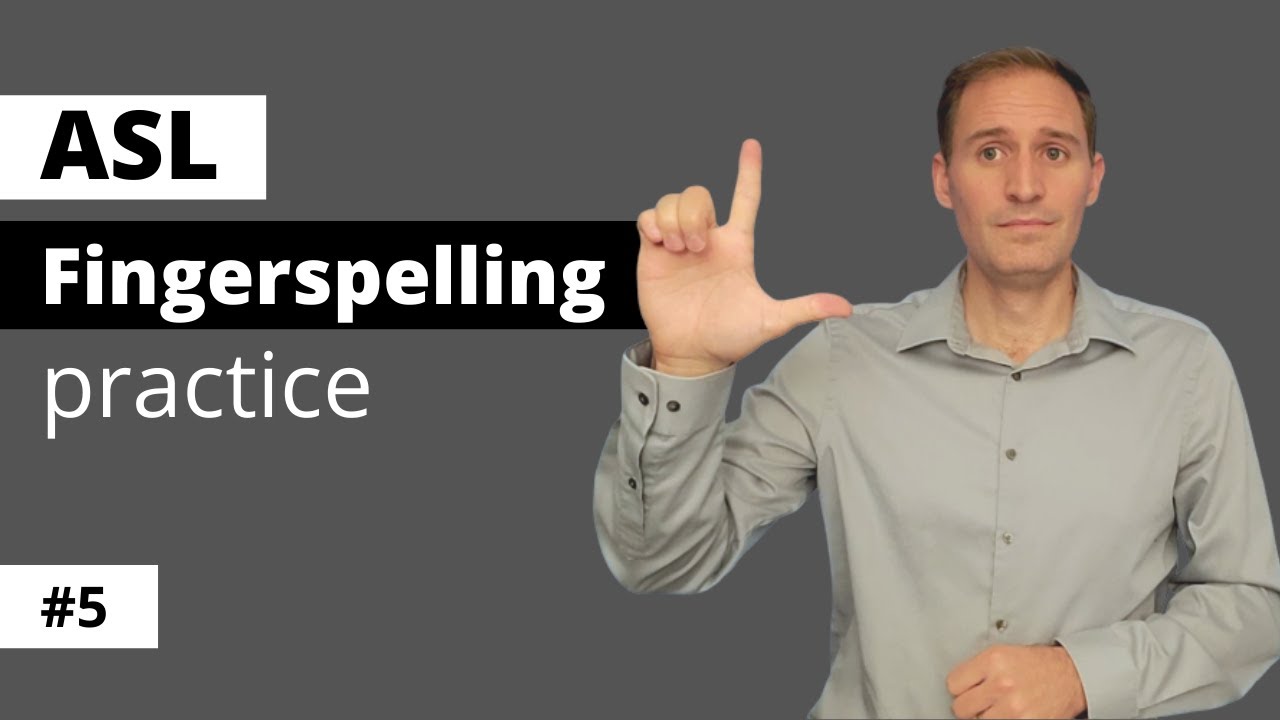
Developing strong ASL comprehension is as crucial as producing fluent signing. This section focuses on practical strategies to improve your ability to understand native ASL users, navigate diverse signing styles, and build a consistent practice routine. Effective comprehension allows for more meaningful interactions and a deeper understanding of the language.
Understanding native ASL users requires consistent exposure and active engagement with authentic signed conversations. It’s about tuning your ear and eyes to the nuances of the language as it’s naturally used, which often differs from structured learning environments.
Understanding Native ASL Users
Native ASL users employ a rich tapestry of linguistic features, including specific regional variations, idiomatic expressions, and a natural pace that can be challenging for learners. To effectively comprehend them, focus on observing not just the signs themselves, but also the facial expressions, body language, and the overall flow of communication.
- Active Listening and Observation: Pay close attention to the context of the conversation. Observe the signer’s facial grammar, which conveys crucial grammatical information and emotional tone. Notice the use of space for referencing people and objects, and how the signer’s body shifts to represent different participants in a dialogue.
- Contextual Clues: Don’t get discouraged if you miss a sign. Utilize the surrounding signs and the overall topic to infer the meaning of an unknown sign. This is a fundamental skill for fluent communication in any language.
- Familiarity with Common Phrases and Idioms: Many languages, including ASL, have common idiomatic expressions that don’t translate literally. Learning these can significantly boost your comprehension. For example, the ASL idiom for “it’s raining cats and dogs” is visually distinct and conveys the same meaning as its English counterpart.
Resources and Techniques for Practicing Comprehension
A variety of resources and techniques can be employed to consistently practice and improve your ASL comprehension. The key is to engage with authentic ASL content regularly and actively.
Here are some effective methods and resources:
- ASL Videos and Media:
- Deaf Vlogs and YouTube Channels: Many Deaf creators share their daily lives, opinions, and stories in ASL. This provides exposure to natural, unscripted signing. Examples include channels that focus on Deaf culture, ASL storytelling, or everyday conversations.
- ASL Storytelling: Watching ASL stories, particularly those from organizations like The ASL Story Project or individual Deaf storytellers, offers rich narratives and diverse signing styles.
- Deaf News and Documentaries: Resources like “Deaf Mosaic” (archived) or contemporary ASL news segments provide exposure to formal ASL and discussions on relevant topics.
- ASL Films and TV Shows: While sometimes stylized, films and shows with Deaf actors or characters signing can be valuable, especially when watched with ASL captions or alongside Deaf reviewers.
- Interactive Practice:
- ASL Conversation Partners: Find Deaf individuals or advanced ASL learners to practice with. Engage in regular conversations, focusing on understanding their signing and responding.
- ASL Classes with Native Speakers: If available, enrolling in classes taught by Deaf instructors provides direct exposure to native signing and opportunities for comprehension practice.
- ASL Comprehension Drills: Some ASL learning platforms offer comprehension exercises where you watch a signed segment and answer questions or summarize the content.
- Tools for Learning:
- ASL Dictionaries with Video: While primarily for production, reviewing signs in context within a dictionary can reinforce understanding.
- ASL Glossing Resources: Understanding ASL glossing can help you break down complex sentences and analyze their structure, aiding comprehension.
Deciphering Different Signing Styles and Accents
Just as spoken languages have regional accents and variations in speaking styles, ASL exhibits similar diversity. Learning to decipher these differences is a sign of advanced comprehension skills.
- Regional Variations: Be aware that signs can vary significantly from one region to another. For example, the sign for “coffee” can differ between the East Coast and West Coast of the United States. Exposure to ASL from various regions will help you recognize these variations.
- Signing Speed and Clarity: Some signers are naturally faster or slower than others. Some may have clearer articulation of handshapes and movements. Practice with a variety of speeds and clarity levels to adapt your comprehension.
- Use of Non-Manual Markers (NMMs): NMMs, such as facial expressions and head tilts, are integral to ASL grammar and meaning. Different signers may use NMMs with varying degrees of emphasis or subtlety. Learning to interpret these nuances is vital.
- Fingerspelling Variations: Some signers may have a distinct style of fingerspelling, including faster movements or slight variations in handshape formation. Observing these over time will improve your ability to keep up.
- Informal vs. Formal Signing: Understand that signing in casual conversation will differ from signing in a formal presentation or lecture. Formal ASL tends to be more deliberate and grammatically structured, while informal ASL can be more fluid and abbreviated.
Scheduling Consistent Exposure to Authentic ASL
Consistent exposure is the cornerstone of improving ASL comprehension. Creating a structured schedule ensures regular engagement with the language, mimicking the immersion that fosters fluency.
Consider the following scheduling strategies:
- Daily Short Sessions: Aim for at least 15-30 minutes of ASL comprehension practice every day. This could involve watching a short ASL video, practicing with a conversation partner, or reviewing ASL stories.
- Weekly Immersion Blocks: Dedicate longer blocks of time, perhaps 1-2 hours per week, for more intensive practice. This might include watching a full ASL movie, attending a Deaf event (if accessible), or participating in a longer online ASL discussion group.
- Themed Practice: Rotate the type of content you consume weekly or monthly. For example, one week focus on ASL news, the next on ASL storytelling, and the following on Deaf culture vlogs. This broadens your exposure to different vocabulary and signing styles.
- Active Participation: Schedule time not just for passive viewing, but for active engagement. This means taking notes on new signs, summarizing videos, or preparing questions for your ASL conversation partners.
- Integrating ASL into Daily Life: Look for opportunities to integrate ASL comprehension into your existing routine. For instance, listen to ASL podcasts while commuting, or watch ASL-interpreted news during your lunch break.
Mastering ASL Vocabulary and Idioms
To excel in an ASL proficiency test, a robust vocabulary and a nuanced understanding of ASL idioms are crucial. This section focuses on strategic approaches to building your lexical repertoire and internalizing the figurative language of ASL, which is essential for demonstrating fluency and cultural competence.A comprehensive vocabulary allows you to express a wide range of concepts clearly and accurately, while understanding idioms enables you to interpret and use ASL in a more natural and sophisticated manner.
This mastery goes beyond simple sign-for-word translation and delves into the heart of effective ASL communication.
Expanding ASL Vocabulary for Common Test Topics
Proficiency tests often assess your ability to discuss a variety of subjects. Therefore, targeted vocabulary expansion is key. This involves identifying recurring themes in ASL tests and systematically learning the relevant signs.To effectively expand your ASL vocabulary, consider the following methods:
- Identify High-Frequency Topics: Research common ASL test themes, which often include personal information, daily routines, hobbies, education, work, family, travel, and current events.
- Utilize Thematic Dictionaries and Resources: Explore ASL dictionaries that are organized by topic or theme. Many online ASL dictionaries and learning platforms offer curated vocabulary lists for specific subjects.
- Engage with Native Signers and Content: Watch ASL videos, movies, and vlogs. Pay attention to the vocabulary used in discussions about familiar topics. Actively seek out conversations with native ASL users and note down new signs.
- Learn Related Signs: When you learn a new sign, explore its synonyms, antonyms, and related concepts. This creates a web of interconnected vocabulary that enhances recall and understanding. For example, if you learn the sign for “happy,” also learn signs for “joyful,” “excited,” “pleased,” and “sad” to build a richer emotional vocabulary.
- Practice in Context: Do not just memorize signs in isolation. Practice using new vocabulary in sentences and short narratives related to the identified test topics. This helps solidify the meaning and appropriate usage of the signs.
Learning and Remembering ASL Idioms and Classifiers
ASL idioms are non-literal expressions that carry specific meanings within the Deaf community. Classifiers are a vital grammatical tool in ASL that represent objects, people, or abstract concepts through handshapes and movement. Mastering both is essential for advanced proficiency.Techniques for learning and remembering ASL idioms and classifiers include:
- Idiom Focus: Dedicate specific study sessions to ASL idioms. Look for resources that explain the literal translation, the idiomatic meaning, and provide example sentences. Understanding the cultural context behind an idiom is often key to its meaning. For instance, the sign combination often used to mean “it’s raining cats and dogs” is not a literal translation but a visual representation of heavy rain, showing the hands moving downwards rapidly with a wiggling motion.
- Classifier Practice: Understand the different types of classifiers (e.g., descriptive, locative, movement, instrumental) and practice using them with various handshapes. Visualizing the object or person being represented by the classifier is crucial. For example, to represent a car moving, you might use a ‘vehicle’ classifier (often a flat handshape) and show its movement forward, turning, or stopping.
- Visual Memory Techniques: For both idioms and classifiers, leverage visual memory. Try to create a mental image of the sign and its meaning. Draw the handshapes and movements if it helps.
- Contextual Learning: Learn idioms and classifiers within the context of conversations or narratives. This helps you understand how they are naturally used and their pragmatic function.
- Repetition and Application: Regularly review learned idioms and classifiers. Actively try to incorporate them into your signing practice.
System for Tracking New Vocabulary and Practicing Usage
A structured approach to tracking and practicing new ASL vocabulary and idioms will significantly boost your retention and fluency. This system should be personalized to your learning style.Create a personal ASL learning journal or digital system to track your progress:
| New Sign/Idiom | English Meaning | ASL Gloss | Contextual Example (Sentence/Scenario) | Notes (e.g., Handshape, Movement, Facial Expression, Cultural Nuance) | Practice Date(s) |
|---|---|---|---|---|---|
| (Visual description of sign or name of idiom) | (Clear English definition) | (Written representation of the sign) | (A sentence or short scenario demonstrating its use) | (Specific details to aid memory and understanding) | (Dates you reviewed or practiced it) |
Regularly revisit this tracker. Schedule dedicated practice sessions where you focus on incorporating the newly learned items into your signing. This could involve recording yourself, practicing with a study partner, or creating short stories using the new vocabulary.
Importance of Understanding Culturally Specific Signs and Expressions
ASL is a living language deeply intertwined with Deaf culture. Understanding culturally specific signs and expressions is not merely about expanding vocabulary; it’s about demonstrating a genuine appreciation and understanding of the Deaf community and its values.The importance of this cultural understanding is multifaceted:
- Authenticity: Using culturally appropriate signs and expressions makes your signing more authentic and natural. It shows you are not just translating English but communicating in ASL as a distinct language with its own cultural underpinnings.
- Nuance and Depth: Many ASL expressions have roots in Deaf experiences and perspectives. Understanding these origins adds depth and nuance to your communication, allowing for more precise and impactful expression. For example, signs related to community, shared experiences, or overcoming challenges often carry significant cultural weight.
- Respect and Inclusivity: Demonstrating awareness of cultural nuances shows respect for the Deaf community. It fosters better communication and builds stronger relationships. Certain signs or expressions might be preferred within the Deaf community over their English equivalents, reflecting cultural values of directness or shared history.
- Avoiding Misinterpretation: Some signs might have different meanings or connotations depending on the cultural context. A lack of cultural awareness can lead to misunderstandings or even unintentional offense. For instance, a sign that is neutral in one context might be considered informal or inappropriate in another.
To cultivate this understanding, immerse yourself in Deaf culture through events, literature, and interactions. Pay attention to how signs are used in different social settings and by various individuals within the community.
Practicing Under Test Conditions
Preparing for an ASL Proficiency Test involves more than just acquiring knowledge; it requires simulating the actual testing environment to build confidence and refine performance. This section focuses on creating realistic practice scenarios that mirror the test’s format and demands, enabling you to identify areas for improvement and develop effective coping mechanisms for test-day pressures.To truly gauge your readiness, it is crucial to replicate the test conditions as closely as possible.
This practice helps in acclimatizing yourself to the format, timing, and the pressure of being evaluated. By engaging in simulated tests, you can transform your knowledge into tangible skills that will be assessed on the official examination.
Designing Simulated Test Scenarios
Creating effective practice scenarios involves replicating the structure and types of tasks encountered in the actual ASL Proficiency Test. This includes designing sections for both expressive signing and receptive comprehension, mirroring the evaluation components. For expressive components, prepare prompts that require spontaneous signing on various topics, similar to interview or presentation segments. For comprehension, select ASL videos that vary in speed, complexity, and the signing styles of different individuals, reflecting the diverse nature of real-world ASL.A structured approach to simulation can involve the following:
- Expressive Signing Practice: Develop a list of diverse topics ranging from personal experiences and opinions to abstract concepts and descriptions. For each topic, set a time limit for signing, similar to what might be expected in the test. This encourages concise and clear communication.
- Receptive Comprehension Exercises: Curate a collection of ASL video clips. These clips should include different signers, varying conversational speeds, and diverse grammatical structures. Practice watching these clips and then summarizing the content, answering comprehension questions, or identifying specific signs and their meanings.
- Integrated Skills Practice: Design scenarios that combine signing and comprehension. For instance, watch an ASL video and then be prepared to discuss it or answer questions about it in ASL. Conversely, practice explaining a concept in ASL and then having a partner describe or summarize your explanation.
Managing Time Effectively During the Test
Time management is a critical skill for success on any standardized test, and the ASL Proficiency Test is no exception. Efficiently allocating your time during the assessment ensures that you can complete all sections to the best of your ability without feeling rushed. Developing a strategy for pacing yourself is therefore an essential part of your preparation.Effective time management strategies include:
- Familiarize Yourself with Test Structure and Time Limits: Understand the allocated time for each section of the test. Knowing these limits beforehand allows you to plan your approach.
- Practice with Timers: During your simulated test sessions, consistently use a timer. This helps you develop an internal sense of pacing and identify where you might be spending too much or too little time.
- Prioritize Tasks: If certain sections are weighted more heavily or are known to be more challenging, allocate your time accordingly. Learn to quickly assess a task and determine the optimal amount of time to dedicate to it.
- Avoid Getting Stuck: If you encounter a particularly difficult question or signing prompt, do not spend an excessive amount of time on it. Make your best attempt and move on. You can always return to it if time permits.
- Develop a Signing Pace: For expressive components, practice signing at a clear and deliberate pace that allows for accurate articulation of signs without rushing. For comprehension, practice actively listening and processing information efficiently.
Strategies for Reducing Test Anxiety and Maintaining Focus
Test anxiety is a common challenge that can significantly impact performance. Learning to manage these feelings and maintain focus is vital for demonstrating your true ASL proficiency. Implementing specific strategies before and during the test can help alleviate anxiety and promote a clear, focused mindset.To combat test anxiety and enhance focus, consider the following approaches:
- Preparation is Key: The more prepared you are, the more confident you will feel. Thoroughly practicing the material and simulating test conditions can significantly reduce anxiety.
- Mindfulness and Deep Breathing: Practice mindfulness techniques and deep breathing exercises. Before the test, take a few minutes to focus on your breath, inhaling slowly and exhaling completely. This can calm your nervous system.
- Positive Self-Talk: Replace negative thoughts with positive affirmations. Remind yourself of your preparation and your ability to succeed. For example, tell yourself, “I am prepared,” or “I can do this.”
- Visualization: Visualize yourself successfully completing the test, signing clearly, and comprehending all the material. This mental rehearsal can build confidence and reduce apprehension.
- Breaks and Movement: If permitted, take short breaks during the test to stretch or briefly step away from the testing area. Physical movement can help release tension and refresh your focus.
- Familiarize Yourself with the Environment: If possible, visit the testing location beforehand to reduce the unfamiliarity of the environment.
Organizing a Mock Test Session
A mock test session is an invaluable tool for simulating the actual ASL Proficiency Test experience and receiving constructive feedback. By engaging a partner or mentor, you can create a realistic testing environment and gain insights into your strengths and weaknesses from an objective perspective. This collaborative practice is essential for refining your skills and building confidence before the official assessment.To organize an effective mock test session:
- Recruit a Partner or Mentor: Find a fellow ASL learner, a tutor, or an ASL instructor who can act as an evaluator. Ideally, this person should have some understanding of ASL proficiency standards.
- Prepare Test Materials: Gather or create materials that simulate the test. This includes prompts for signing, ASL videos for comprehension, and any specific question formats the test might use. Ensure these materials are similar in difficulty and scope to what you expect on the actual test.
- Establish Test Conditions: Set a strict time limit for the entire session and for individual segments. Ensure a quiet environment with minimal distractions, mirroring the actual testing conditions.
- Conduct the Mock Test: Have the evaluator administer the test as if it were the real examination. You should sign and respond to comprehension tasks as you would during the official test.
- Receive and Provide Feedback: After the mock test, engage in a detailed feedback session. The evaluator should provide specific observations on your signing fluency, accuracy, clarity, comprehension, and time management. Be open to constructive criticism and ask clarifying questions. Equally important, offer feedback on the mock test process itself to help your partner refine future sessions.
- Analyze and Adjust: Based on the feedback received, identify areas that require further practice. Use this information to tailor your study plan and focus on improving specific skills before the actual test.
Utilizing Practice Resources and Materials
To effectively prepare for your ASL Proficiency Test, leveraging a variety of practice resources and materials is crucial. These tools offer diverse ways to engage with the language, reinforce learning, and simulate real-world ASL use. This section will guide you through selecting and utilizing these valuable aids.
Recommended Online Resources for ASL Practice
A wealth of online platforms can significantly enhance your ASL preparation. These resources provide access to instructional content, practice exercises, and community interaction, all vital for skill development.
- ASL University (lifeprint.com): Offers extensive video lessons, a comprehensive dictionary with sign animations, and grammar explanations.
- Hands On ASL: Provides a vast library of ASL videos, including stories, dialogues, and lessons, often with clear explanations and opportunities for practice.
- Bill Vicars’ ASL Lessons (YouTube Channel): Features a wide array of video content covering vocabulary, grammar, and cultural aspects of ASL.
- SignSchool: A platform designed for learning and practicing ASL through interactive lessons, quizzes, and vocabulary building.
- Gallaudet University’s ASL Connect: Offers online courses and resources, including opportunities to connect with ASL instructors and learners.
Types of Practice Materials for ASL Preparation
The variety of practice materials available caters to different learning styles and proficiency levels. Engaging with a range of these materials ensures a well-rounded preparation strategy.
- Video Resources: This includes recorded ASL lectures, ASL storytelling, ASL news broadcasts, and ASL films. Watching native signers and advanced learners helps in understanding natural signing pace, facial expressions, and grammatical structures.
- ASL Dialogues and Conversations: Practicing by watching and then attempting to replicate or respond to ASL dialogues is highly beneficial. These materials often showcase turn-taking, conversational flow, and common interaction patterns.
- ASL Dictionaries and Glossaries: While not solely for practice, these are essential tools for looking up signs and understanding their usage in context. Many online dictionaries offer video demonstrations.
- Interactive ASL Learning Apps: Mobile applications often provide gamified learning experiences, flashcards, and quizzes to reinforce vocabulary and grammar.
- Written ASL Materials: Books and articles on ASL grammar, culture, and history can provide a deeper understanding of the language’s structure and context.
Benefits of Working with an ASL Tutor or Mentor
The guidance of an experienced ASL tutor or mentor can be invaluable in your preparation journey. They offer personalized feedback and support that self-study may not fully provide.
Working with a qualified ASL tutor or mentor provides personalized feedback on your signing accuracy, fluency, and comprehension. They can identify specific areas for improvement, offer targeted practice exercises, and provide insights into the nuances of ASL that are often missed by beginners.
Guide to Selecting Appropriate Practice Materials for Different Proficiency Levels
Choosing the right practice materials is essential for efficient learning. Materials should align with your current ASL skills to challenge you appropriately without overwhelming you.
Beginner Level
For those new to ASL, the focus should be on foundational vocabulary, basic grammar, and clear, slow signing.
- Materials: ASL alphabet and number videos, introductory ASL vocabulary lists with clear sign demonstrations, simple ASL grammar explanations, beginner-level ASL dialogues with slower signing and clear visual cues.
- Focus: Accurate formation of signs, understanding basic sentence structures, and recognizing common signs.
Intermediate Level
At this stage, learners are ready to expand their vocabulary, work on fluency, and understand more complex grammatical structures.
- Materials: ASL storytelling videos, ASL dialogues with more natural pacing, ASL grammar lessons on specific structures (e.g., classifiers, topicalization), ASL cultural videos, practice with ASL riddles and jokes.
- Focus: Improving signing speed and smoothness, understanding nuances in sign variations, and comprehending more complex sentence structures and discourse.
Advanced Level
Advanced learners aim for near-native fluency, sophisticated vocabulary, and a deep understanding of ASL pragmatics and cultural context.
- Materials: ASL news broadcasts, ASL documentaries, ASL literature (signed poetry, prose), advanced ASL grammar discussions, ASL discourse analysis, engaging in spontaneous conversations with native signers.
- Focus: Refining subtle aspects of signing, mastering idiomatic expressions, understanding humor and cultural references, and demonstrating high-level comprehension and production skills.
Concluding Remarks
In conclusion, successfully preparing for an ASL Proficiency Test is a multifaceted process that requires dedicated effort across several key areas. By diligently understanding the test’s framework, honestly assessing your strengths and weaknesses, and actively practicing signing accuracy, comprehension, vocabulary, and test-taking strategies, you can significantly enhance your performance and achieve your desired proficiency level. Remember that consistent practice and utilizing available resources are your greatest allies on this rewarding path to ASL mastery.