Kicking off with How to Understand the Basics of Black American Sign Language (BASL), this opening paragraph is designed to captivate and engage the readers, setting the tone for a journey into a rich and vital linguistic landscape. We will delve into the unique history, cultural significance, and distinctive features that make BASL a fascinating area of study.
This exploration will illuminate the origins of BASL as a distinct linguistic variety within the Black Deaf community, highlighting the key factors that fostered its development and its profound cultural importance. By understanding its emergence and evolution, we can begin to appreciate the nuances that set it apart.
Introduction to Black American Sign Language (BASL)
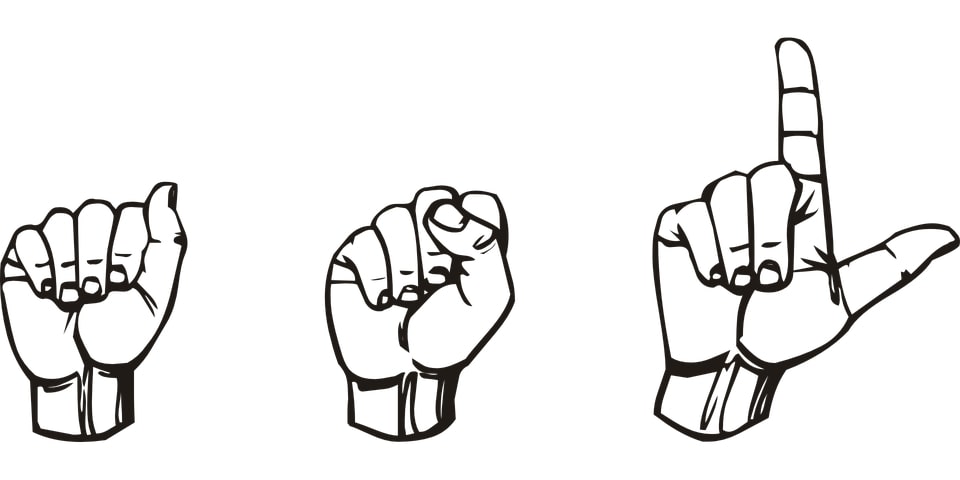
Black American Sign Language, or BASL, is a distinct linguistic variety that has emerged and evolved within the Black Deaf community in the United States. It is not merely a dialect but a fully developed language with its own unique grammatical structures, vocabulary, and phonological features, shaped by the rich cultural tapestry of African Americans. Understanding BASL is crucial for appreciating the diversity within the Deaf community and recognizing the linguistic innovations that arise from specific cultural contexts.The development of BASL is deeply intertwined with the history of racial segregation in the United States, particularly within educational institutions for Deaf individuals.
Before the Civil Rights Movement, many schools for the Deaf were segregated, leading to the formation of distinct linguistic communities. Black Deaf students, educated in separate schools, developed and maintained their own sign language, which incorporated elements from American Sign Language (ASL) but also integrated influences from their cultural experiences and linguistic innovations.
Historical Emergence of BASL
BASL’s emergence as a distinct linguistic variety is a direct consequence of racial segregation in the United States. Prior to the mid-20th century, many schools and institutions serving Deaf individuals were segregated by race. Black Deaf children and adults were often educated in separate schools, such as the Florida School for the Deaf and the Blind (which had separate departments for Black students) or the Alabama School for the Deaf.
These segregated environments fostered the development of unique linguistic practices and a shared cultural identity among Black Deaf individuals. Within these spaces, Black Deaf students and teachers interacted, creating and solidifying a sign language that reflected their experiences, linguistic creativity, and cultural heritage. This separation, though born of discrimination, inadvertently provided the fertile ground for BASL to flourish as a distinct linguistic system.
Cultural Significance of BASL
The cultural significance of BASL within the Black Deaf community cannot be overstated. It serves as a powerful marker of identity, a vehicle for cultural transmission, and a source of pride and belonging. BASL is more than just a means of communication; it is a repository of shared history, values, and artistic expression. Many members of the Black Deaf community view BASL as an integral part of their heritage, reflecting their unique experiences and contributions to the broader Deaf culture.
The language often incorporates stylistic elements and communicative nuances that are deeply rooted in African American culture, such as rhythmic patterns, expressive body language, and unique storytelling techniques. This cultural embedding makes BASL a vital tool for maintaining community cohesion and celebrating the richness of Black Deaf identity.
Key Factors in BASL Development
Several key factors contributed to the development and distinctiveness of BASL. These factors highlight the dynamic interplay between linguistic innovation, social context, and cultural influence.
- Segregation in Education: As previously mentioned, the historical segregation of schools for the Deaf played a pivotal role. Separate educational environments for Black Deaf students led to the formation of unique signing communities where linguistic norms and innovations could develop independently from those in predominantly white schools.
- African American Vernacular English (AAVE) Influence: There is evidence to suggest that linguistic features of African American Vernacular English (AAVE), a distinct dialect of English spoken by many African Americans, have influenced the structure and lexicon of BASL. This can manifest in grammatical patterns, the use of certain signs, or even the rhythm and flow of signing.
- Cultural Expressiveness: The inherent cultural expressiveness of African American communities, characterized by vibrant storytelling, musicality, and dynamic communication styles, has likely shaped the performative aspects of BASL. This can include a greater emphasis on facial expressions, body language, and the use of space in signing.
- Community Formation and Identity: The shared experiences of Black Deaf individuals, including navigating racial discrimination and building strong community bonds, have fostered a sense of collective identity. BASL serves as a unifying force, reinforcing this identity and providing a unique linguistic space for self-expression and cultural affirmation.
- Linguistic Creativity and Innovation: Like all living languages, BASL has evolved through the ongoing creativity and innovation of its users. New signs are created, existing signs are modified, and grammatical structures are adapted to meet the communicative needs of the community. This continuous evolution is a testament to the vitality of BASL as a dynamic language.
Distinguishing BASL from American Sign Language (ASL)
While both Black American Sign Language (BASL) and American Sign Language (ASL) are distinct signed languages used within the United States, they possess unique characteristics that set them apart. Understanding these differences is crucial for appreciating the rich linguistic diversity within the Deaf community. BASL emerged and developed within African American Deaf communities, reflecting their cultural heritage and experiences, leading to specific linguistic features.The relationship between BASL and ASL is often described as one of variation rather than complete separation.
BASL can be viewed as a dialect or a sociolect of ASL, influenced by the linguistic patterns and cultural norms of its users. This means that while many signs and grammatical structures are shared, there are also noticeable divergences in vocabulary, grammar, and even the expressive use of the language. These distinctions are not a reflection of correctness but rather a testament to the dynamic and evolving nature of language within specific communities.
Lexical Differences Between BASL and ASL
A primary area where BASL and ASL diverge is in their lexicon, or vocabulary. Certain signs that are common in one may be less prevalent or entirely different in the other. These lexical variations often stem from cultural influences, historical developments within specific communities, and the natural evolution of language. Examining these differences provides a tangible insight into the distinct identities and communication practices of BASL users.Below are examples of common lexical differences.
It’s important to note that this is not an exhaustive list, and regional variations can also exist within both BASL and ASL.
- HOME: In ASL, the sign for HOME typically involves tapping the cheek with the fingertips of a flat hand. In BASL, a common variation uses the dominant hand in a closed fist, tapping the chest twice.
- BLACK: While ASL often uses a sign that involves brushing the back of the dominant hand with the fingertips of the other hand, BASL may utilize a sign that involves tracing a circular motion on the chest with the fingertips of the dominant hand.
- FRIEND: The ASL sign for FRIEND commonly involves interlocking index fingers. A BASL variation can involve touching the index fingers together twice.
- SCHOOL: ASL often uses a sign involving two open hands meeting at the fingertips, then separating and coming back together. A BASL variant might involve tapping the forehead twice with the fingertips of the dominant hand.
- GOOD: While ASL typically uses a sign with the dominant hand moving from the chin to the palm of the non-dominant hand, BASL might use a sign where the dominant hand, in a fist, moves downwards in front of the chest.
Grammatical and Syntactic Variations in BASL
Beyond individual signs, BASL also exhibits variations in its grammatical structures and syntactic patterns when compared to ASL. These differences can influence sentence construction, the use of space, and the overall flow of communication. Understanding these variations helps in recognizing the unique linguistic competence of BASL users.Some notable grammatical and syntactic patterns found in BASL include:
- Use of Verb Agreement: While both languages use verb agreement, BASL may show subtle differences in how verbs are directed towards specific referents, sometimes with more emphatic or distinct movements.
- Placement of Adverbs and Adjectives: The positioning of adverbs and adjectives in relation to the verb or noun they modify can differ. BASL might place these modifiers in slightly different positions within a sentence structure to convey specific nuances.
- Topic-Comment Structure: Like ASL, BASL frequently employs a topic-comment structure. However, the emphasis or the way the topic is established and the comment is delivered can vary, sometimes with a more pronounced separation between the two.
- Use of Space: The conceptual mapping of space for referents and actions can have subtle distinctions. BASL users might utilize signing space in ways that reflect specific cultural understandings or spatial organization preferences.
Prosody and Facial Expression Differences
Prosody, which refers to the rhythm, stress, and intonation of spoken language, has a visual equivalent in sign languages through the use of facial expressions, body posture, and the speed and intensity of signs. BASL and ASL can differ in their use of these non-manual markers, contributing to distinct communicative styles. These differences are integral to conveying emotion, grammatical information, and the overall tone of a signed utterance.Consider the following ways prosody and facial expressions might differ:
- Intensity of Emotion: In BASL, there can be a tendency towards more pronounced or exaggerated facial expressions to convey emotion. This might include wider eye movements, more dynamic eyebrow raises, or more vigorous head nods.
- Rhythm and Pace: The rhythm and pace of signing in BASL might sometimes be perceived as faster or more fluid, with a different cadence compared to ASL. This can be influenced by the underlying cultural rhythm of the community.
- Emphasis: The way emphasis is placed on certain signs or parts of a sentence can be visually distinct. BASL might use a sharper, more abrupt movement of a sign, combined with a specific facial expression, to highlight a particular word or idea.
- Humor and Playfulness: The expression of humor and playfulness in BASL can be conveyed through unique combinations of facial expressions, body language, and sign modifications that might differ from typical ASL expressions.
“Language is a living entity, constantly shaped by the communities that use it.”
This principle is clearly demonstrated in the linguistic variations between BASL and ASL, highlighting the cultural richness and adaptability of signed languages.
Core Components and Features of BASL
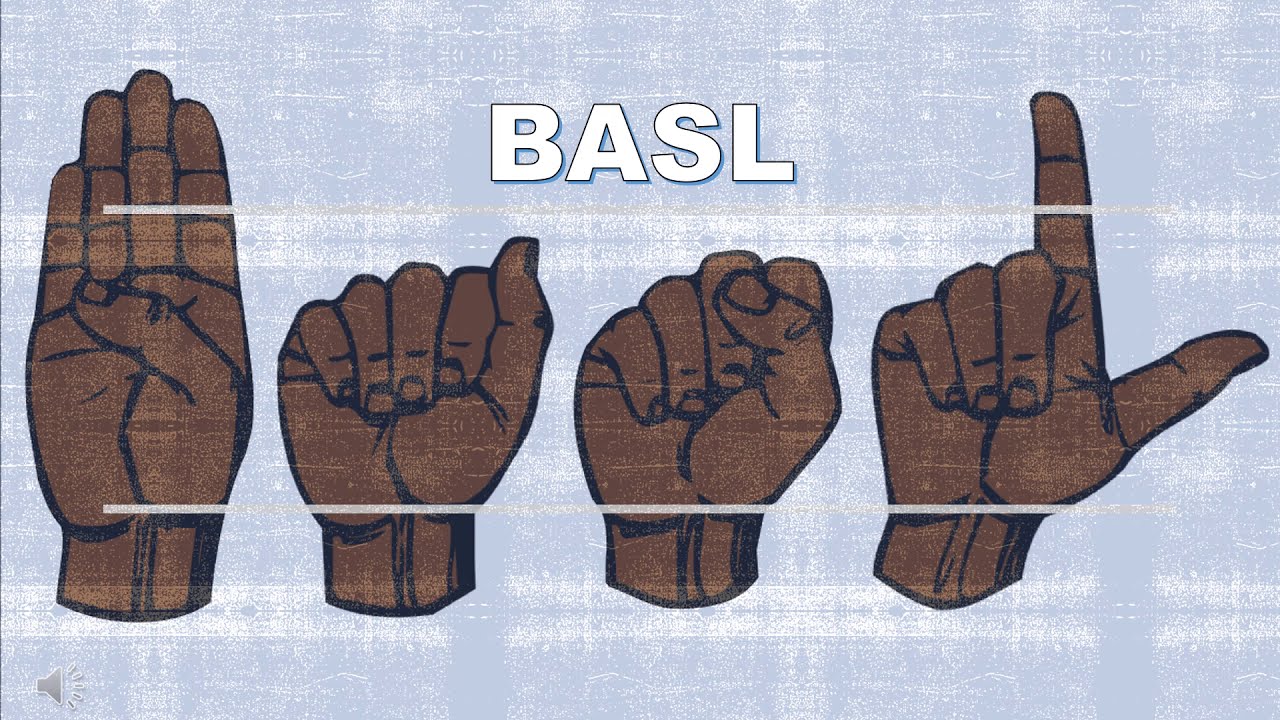
Black American Sign Language (BASL) is a distinct linguistic variety within the deaf community, possessing its own unique characteristics that set it apart from Standard American Sign Language (ASL). Understanding these core components is crucial for appreciating the richness and expressiveness of BASL. This section delves into the common signs, rhythmic qualities, visual nuances, and a sample vocabulary that define BASL.BASL, like any living language, is dynamic and evolves with its users.
Its distinctiveness stems from a combination of historical influences, cultural practices, and the creative adaptations of its signers. Recognizing these elements allows for a deeper comprehension of the communication practices within the Black deaf community.
Common Signs and Their Origins in BASL
Many signs in BASL have origins that reflect the cultural experiences and historical context of the Black community. These signs often draw from everyday life, religious practices, music, and colloquialisms that are unique to this cultural group. While some signs might share a similar meaning with ASL signs, their execution, origin, or grammatical structure can differ significantly.For instance, certain signs related to family gatherings, food, or social events may have roots in specific cultural traditions.
The evolution of these signs is often organic, emerging from shared experiences and passed down through generations within the community. The use of these culturally specific signs reinforces identity and belonging.
The Role of Rhythm and Flow in BASL Communication
Rhythm and flow are integral to the visual cadence and expressiveness of BASL. The speed, duration, and sequencing of movements contribute to the overall meaning and emotional tone of a signed utterance. A signer’s rhythm can convey emphasis, urgency, or a more relaxed conversational style.The interplay between hand movements, facial expressions, and body language creates a fluid and dynamic communication experience.
This rhythmic quality is not merely about speed but about the intentional pacing and natural transitions between signs, much like the rhythm in spoken language. The flow ensures that the message is not only understood but also felt by the recipient.
Visual Aspects of BASL: Handshape Modifications and Movement Patterns
The visual grammar of BASL is rich with nuanced handshape modifications and distinct movement patterns that contribute to its unique identity. These visual elements are not arbitrary but are systematic and carry specific linguistic functions. Understanding these aspects is key to interpreting the subtle differences between BASL and ASL.
Visual aspects include:
- Handshape Variations: BASL may utilize specific handshapes that differ from their ASL counterparts, or employ variations in the orientation and tension of a handshape to convey different meanings or grammatical functions. For example, a commonly used handshape in BASL might be a slightly more relaxed or curved version of an ASL handshape.
- Movement Qualifiers: The way a sign is moved can significantly alter its meaning. BASL employs variations in the speed, direction, and arc of movement. A quick, sharp movement might indicate emphasis or urgency, while a slower, broader movement could suggest a more descriptive or relaxed tone. Repetitive movements can also indicate plurality or continuous action.
- Facial Expressions and Non-Manual Markers (NMMs): While NMMs are crucial in all sign languages, BASL may integrate them in ways that are culturally specific, adding layers of meaning, emotion, and grammatical information. Raised eyebrows, specific mouth movements, and head tilts are all vital components of BASL communication.
Hypothetical Vocabulary List of Frequently Used BASL Signs
To illustrate the distinctiveness of BASL, here is a hypothetical vocabulary list of frequently used signs, presented with descriptive explanations. This list is intended to showcase common signs and their potential BASL characteristics.
Consider the following commonly used BASL signs:
| English Meaning | Hypothetical BASL Sign Description | Potential BASL Feature |
|---|---|---|
| Hello | A wave with an open palm, moving outwards from the chest, often with a slight head nod. | Emphasis on a welcoming and inclusive gesture. |
| Friend | Two index fingers hooking together, then separating and coming back to hook again, with a slightly faster and more playful rhythm than standard ASL. | Rhythm and repetition indicating a strong bond. |
| Go | Index fingers pointing forward, moving from the signer’s body outwards, with a slightly more energetic flick at the end of the movement. | Dynamic movement suggesting forward momentum. |
| Eat | A cupped hand moving towards the mouth, similar to ASL, but with a slightly more pronounced scooping motion and a subtle widening of the eyes. | Exaggerated facial expression to convey enjoyment or emphasis on the act of eating. |
| Yes | A nodding of the head accompanied by a closed fist moving up and down, with a firmer, more decisive motion than in some ASL variations. | Firmness and directness in affirmation. |
| No | A side-to-side shaking of the head, often accompanied by a flat hand moving from side to side in front of the body, with a sharper, more definitive movement. | Sharp, decisive negation. |
| Church | Hands brought together in a prayer-like position, then separated and moved upwards, with a more pronounced upward sweep and often accompanied by a slight tilt of the head. | Emphasis on the upward movement and spiritual elevation. |
| Family | Fingers of both hands interlocked, then spread apart, with a circular motion that is slightly more expansive than in standard ASL. | Expansive movement signifying a broad and interconnected unit. |
Learning and Engaging with BASL
Embarking on the journey to understand Black American Sign Language (BASL) is a rewarding experience that opens doors to a rich linguistic and cultural heritage. This section is designed to guide you through the initial steps of learning BASL, providing practical exercises and essential resources to foster your comprehension and engagement. We will also explore the crucial aspect of respectful interaction with BASL users, ensuring your learning journey is both effective and considerate.Learning a new language, especially one as nuanced as BASL, is best approached with a structured plan.
This beginner’s path is designed to build a solid foundation, starting with fundamental elements and gradually progressing to more complex aspects of the language. The focus is on building recognition, understanding, and confidence in your ability to engage with BASL.
Beginner’s Learning Path for Understanding BASL
A systematic approach is key to successfully acquiring BASL. This path prioritizes foundational vocabulary and grammatical structures, allowing for steady progress and comprehension.
- Familiarize Yourself with the Alphabet and Numbers: Mastering the manual alphabet and numerical signs is the first crucial step in BASL, just as in ASL. These form the building blocks for spelling out words and expressing quantities.
- Learn Core Vocabulary: Begin with common greetings, everyday objects, basic verbs, and essential pronouns. Focus on signs that are frequently used in daily conversations.
- Understand Basic Sentence Structure: BASL, like ASL, often follows a Topic-Comment or Subject-Object-Verb (SOV) structure. Understanding these fundamental sentence patterns will help you interpret and construct simple phrases.
- Explore Common BASL Variations: As you progress, start to notice and learn some of the distinct signs and stylistic features that characterize BASL. This might include variations in handshape, movement, or facial expression.
- Engage with Visual Resources: Utilize videos and visual dictionaries to see signs in action. Observing native signers is invaluable for understanding the fluidity and nuances of BASL.
- Practice Consistently: Regular practice is paramount. Dedicate time each day to reviewing signs, practicing them, and attempting to understand short signed conversations.
Practice Exercises for Recognizing BASL Signs
Developing the ability to recognize BASL signs requires active engagement and repeated exposure. These exercises are designed to enhance your visual perception and memory for BASL vocabulary and structures.To effectively practice sign recognition, it is beneficial to work with visual aids and gradually increase the complexity of the signs presented. The following exercises provide a structured way to build this skill.
- Sign Identification from Videos: Watch short videos of individuals signing BASL. Pause the video at different points and try to identify the signs being used. You can start with videos focusing on specific vocabulary sets, such as food or family.
- Matching Signs to Definitions: Create flashcards or use online tools that present a BASL sign and ask you to select the correct English word or definition. Conversely, you can be given a word and asked to identify the corresponding sign.
- Spotting BASL-Specific Signs: As you learn about the unique aspects of BASL, focus on identifying these specific signs in videos or demonstrations. This could involve noticing differences in handshapes, locations, or movements compared to more generalized ASL. For example, a sign for “friend” might have a distinct movement or handshape in BASL compared to a common ASL variation.
- Sentence Comprehension Drills: Watch short, simple sentences signed in BASL and try to understand the overall meaning. Begin with sentences that use the core vocabulary you have learned. This exercise helps in understanding how signs are combined to form meaningful phrases.
- Describing Visual Scenes: Look at a picture or a short video clip without sound. Try to sign a description of what you see using the BASL signs you know. This tests your ability to recall and apply vocabulary.
Resources for Further Study and Immersion in BASL
To deepen your understanding and fluency in BASL, engaging with a variety of resources is essential. These resources offer opportunities for structured learning, authentic exposure, and community connection.Accessing diverse and reliable resources is crucial for a comprehensive learning experience. The following are recommended avenues for continued study and immersion in BASL.
- Online Dictionaries and Video Archives: Websites and platforms dedicated to ASL often include sections or specific collections featuring BASL. Look for resources that provide video demonstrations of signs by native BASL users. These archives are invaluable for observing the natural flow and variations of the language.
- Academic Research and Publications: Scholarly articles and books that focus on sociolinguistics, African American culture, and sign language linguistics often contain detailed analyses of BASL. These can provide deeper insights into its historical development, grammatical features, and cultural significance.
- Community Workshops and Events: Seek out local Deaf community events, workshops, or classes that specifically highlight or incorporate BASL. Participating in these events offers direct interaction with BASL users and provides an immersive learning environment.
- Documentaries and Media: Explore documentaries, films, and other media that feature the Black Deaf community and their language. These can offer rich contextual understanding and exposure to BASL in use.
- Mentorship and Language Exchange: If possible, connect with fluent BASL users who are willing to share their knowledge. A mentor or language exchange partner can provide personalized feedback and accelerate your learning.
Methods for Respectfully Interacting with BASL Users
Engaging with the BASL community requires sensitivity, respect, and a genuine desire to understand. Approaching interactions with cultural awareness and a willingness to learn will foster positive relationships and ensure effective communication.Respectful interaction is built on a foundation of understanding and empathy. The following methods will guide you in communicating effectively and courteously with BASL users.
- Prioritize Visual Communication: Always try to establish eye contact and ensure you have the user’s attention before signing. Make sure you are in a well-lit area so your signs are clearly visible.
- Be Patient and Open to Correction: Learning a new language takes time. If you make mistakes, be open to gentle correction from BASL users. View feedback as an opportunity for growth.
- Ask Permission Before Recording: If you wish to record someone signing, always ask for their explicit permission first. Respect their privacy and autonomy.
- Use Clear and Concise Signing: When you are signing, aim for clarity. Articulate your signs deliberately, and use appropriate facial expressions and body language to convey meaning.
- Show Genuine Interest in the Culture: Beyond just learning the language, show an interest in the culture and experiences of the Black Deaf community. This demonstrates a deeper level of respect and understanding.
- Avoid Making Assumptions: Do not assume that all Black Deaf individuals use BASL, or that all ASL users are familiar with BASL. Recognize that individuals have diverse linguistic backgrounds and preferences.
- Learn About Deaf Etiquette: Familiarize yourself with general Deaf etiquette, such as how to get someone’s attention (e.g., a gentle tap on the shoulder) and how to navigate conversations in group settings.
Cultural Context and Community of BASL

Black American Sign Language (BASL) is far more than just a linguistic variation; it is a vibrant thread woven into the rich tapestry of Black Deaf culture. Understanding BASL requires an appreciation for its deep historical roots and the unique social fabric of the communities that have nurtured and preserved it. It serves as a powerful tool for identity, connection, and the transmission of heritage across generations.The preservation of Black Deaf heritage is intrinsically linked to the existence and use of BASL.
For many years, Black Deaf individuals faced segregation within schools and social spaces, leading to the development of distinct signing styles and cultural practices. BASL emerged and thrived within these spaces, providing a sense of belonging and a unique means of cultural expression. It is a living testament to the resilience and creativity of the Black Deaf community.
Influential Figures and Communities in BASL Development
The evolution of BASL has been shaped by numerous individuals and communities who actively fostered its growth and transmission. These influential figures and groups, often working within segregated environments, played a crucial role in establishing and perpetuating the unique linguistic and cultural norms of BASL.Key communities that significantly influenced BASL include historically Black colleges and universities (HBCUs) with programs for Deaf students, as well as Black Deaf churches and social organizations.
These spaces provided fertile ground for the development and dissemination of BASL, allowing for the natural evolution of language and cultural practices among Black Deaf individuals.
BASL in Social Gatherings and Cultural Events
Within the Black Deaf community, BASL plays a central and indispensable role in social gatherings and cultural events. It is the primary language of communication, fostering immediate connection, understanding, and a shared sense of identity among participants. From informal get-togethers to formal celebrations, BASL ensures that all members can fully engage and participate.The use of BASL in these settings reinforces cultural traditions and values.
Storytelling, humor, music, and religious practices are often expressed and shared through BASL, preserving and transmitting them to younger generations. These events serve as vital spaces for cultural continuity and the celebration of Black Deaf identity.
Examples of BASL in Community Life
- Family Reunions: BASL is the default language, allowing elders to share stories and traditions with younger family members, ensuring cultural continuity.
- Church Services: Many Black Deaf churches conduct services entirely in BASL, with sermons, hymns, and prayers all conveyed through this unique sign language, creating a deeply spiritual and inclusive experience.
- Community Picnics and Festivals: These events are filled with signing, laughter, and shared experiences, where BASL facilitates lively conversations, games, and performances, strengthening community bonds.
- Educational Workshops and Conferences: When organized by and for the Black Deaf community, these events often prioritize BASL, ensuring accessibility and fostering a sense of shared ownership and pride in their linguistic heritage.
Outcome Summary
In conclusion, grasping the fundamentals of Black American Sign Language (BASL) offers a profound insight into the vibrant culture and heritage of the Black Deaf community. This journey has illuminated the historical roots, unique linguistic features, and the integral role BASL plays in preserving identity and fostering connection. We encourage continued learning and respectful engagement with this important aspect of linguistic diversity.