As How to Use Body Language Effectively in Sign takes center stage, this opening passage beckons readers into a world where communication transcends spoken words. We will explore the foundational principles that govern this visual language, from the subtle nuances of facial expressions to the impactful movements of the entire body. Understanding these elements is key to unlocking a richer, more profound form of expression.
This guide delves into the intricate ways in which non-manual markers, such as facial expressions, head movements, eye gaze, and torso shifts, contribute to the grammatical structure and emotional depth of sign language. We will examine how these physical cues are not merely supplementary but integral to conveying meaning, emotion, and clarity, transforming simple signs into compelling narratives.
Understanding the Fundamentals of Body Language in Sign
Body language is an indispensable component of sign language, often referred to as non-manual markers (NMMs). These non-manual signals are not merely decorative; they are integral to the grammatical structure, emotional nuance, and overall clarity of signed communication. Mastering these elements is crucial for both effective signing and accurate comprehension.The foundation of body language in sign language lies in the sophisticated use of facial expressions, head movements, eye gaze, and torso shifts.
These elements work in concert with manual signs to create a rich and dynamic linguistic system. Ignoring or misunderstanding these non-manual markers can lead to misinterpretations or a complete loss of meaning in signed conversations.
Non-Manual Markers in Sign Language
Non-manual markers (NMMs) are the essential, non-hand components of sign language that convey grammatical information, modify the meaning of signs, and express emotion. They are as vital as the handshapes, movements, and locations of manual signs themselves. NMMs can indicate questions, negations, adverbs, intensity, and the emotional state of the signer.
Facial Expressions in Conveying Grammatical Information and Emotion
Facial expressions are arguably the most dynamic and informative NMMs in sign language. They serve dual purposes: conveying grammatical functions and expressing a wide spectrum of emotions. Specific facial configurations are associated with different grammatical structures, such as raised eyebrows for yes/no questions or a furrowed brow for wh-questions. Beyond grammar, the eyes, mouth, and brows work together to communicate happiness, sadness, anger, surprise, and countless other emotions, adding depth and authenticity to the signed message.For instance, a signer might use a slightly pursed mouth and squinted eyes to indicate “small” or “difficult,” while a wide-eyed, open-mouthed expression could signify “astonished” or “huge.” The intensity of the emotion or the degree of the grammatical marker is often reflected in the exaggerated or subtle nature of the facial expression.
Head Movements and Tilts in Sign Language Structure
Head movements and tilts play a significant role in the grammatical structure and flow of sign language. A slight head nod can affirm a statement, while a shake of the head typically signifies negation. Tilting the head can indicate a conditional clause or a shift in perspective. For example, tilting the head to the side while signing a statement might imply a contrast or a concession.Consider the following:
- A forward head tilt can sometimes indicate emphasis or a request for confirmation.
- A backward head tilt might be used to express disagreement or doubt.
- Alternating head nods can signal a sequence of actions or events.
Eye Gaze and Direction in Establishing Reference and Clarity
Eye gaze and direction are critical for establishing reference, indicating who is speaking or being referred to, and maintaining clarity in a signed conversation. Signers use their eyes to point to specific locations in their signing space, which then serve as referential points for people, objects, or concepts. Shifting eye gaze can indicate a change of subject or direct attention to a particular element within the discourse.For example, when introducing multiple people, a signer might establish a specific point in space for each person and then direct their eye gaze to that point when referring to them.
This visual indexing ensures that the audience can follow the narrative and understand who or what is being discussed. A sustained, direct gaze can also convey assertiveness or intensity.
Shoulder and Torso Movements on the Flow and Meaning of Signs
Shoulder and torso movements contribute significantly to the fluidity and meaning of signs, often acting as modifiers or indicators of the overall tone. A slight hunching of the shoulders can convey reluctance or burden, while an open chest and relaxed shoulders might indicate confidence or ease. The torso can also be used to embody different characters or perspectives in storytelling, a technique known as role-shifting.When describing an action performed by a character, a signer might lean their torso forward or to the side to visually represent the character’s movement or posture.
These movements help to create a more immersive and comprehensible signed narrative, adding a physical dimension to the communication that enhances understanding and engagement.
Expressing Emotions and Nuances Through Physical Cues

Beyond the fundamental signs themselves, the richness of signed communication lies in the nuanced ways we convey emotions and subtle meanings through our bodies. This layer of expression transforms a simple message into a vibrant, relatable experience for the recipient. Mastering these non-manual markers is crucial for authentic and impactful signing.The face is a powerful canvas for emotion, and in sign language, it works in tandem with hand movements to convey a vast spectrum of feelings.
A sign that might otherwise be neutral can be imbued with joy, sadness, anger, or surprise simply by altering the facial expression. For instance, the sign for “happy” can be made more enthusiastic with a wide smile and bright eyes, or it can be tinged with relief if accompanied by a slight sigh and a relaxed jaw. Conversely, the sign for “understand” can shift from a simple affirmation to a hesitant agreement if a furrowed brow and a slight head tilt are added.Eyebrow movements are particularly significant in shaping the grammatical and emotional tone of a signed utterance.
They serve as vital indicators for distinguishing between questions, statements, and exclamations. Raised eyebrows, often accompanied by a slight forward lean, are a universal cue for a yes/no question. For wh-questions (who, what, where, when, why, how), eyebrows are typically held in a lowered and furrowed position. Statements are usually signed with neutral or slightly lowered eyebrows, depending on the emphasis.
Exclamatory statements can feature raised eyebrows and a more animated facial expression to convey strong emotion.Body posture plays a critical role in reflecting our internal emotional states and can significantly influence how our signed message is perceived. A slumped posture, with shoulders rounded and head down, can communicate feelings of sadness, defeat, or exhaustion, even if the signs themselves are neutral.
Conversely, an upright and open posture, with chest out and shoulders back, conveys confidence, assertiveness, or excitement. A tense and rigid posture might indicate anxiety or anger, while a relaxed and fluid posture suggests ease and comfort. These postural cues provide an immediate emotional context for the signed message.Understanding the direct correlation between common emotional expressions and their physical manifestations is key to effective communication.
This allows signers to authentically convey their feelings and for receivers to accurately interpret them.
Common Emotional Expressions and Their Corresponding Physical Manifestations
The following list Artikels common emotional expressions and their typical physical indicators in sign language. These are general guidelines, and individual variations may occur.
- Joy/Happiness: Wide smile, crinkled eyes, possibly a slight head bob or bounce.
- Sadness: Downcast eyes, downturned mouth, slumped shoulders, slow movements.
- Anger: Furrowed brow, narrowed eyes, tight lips, clenched jaw, tense posture, sharp movements.
- Surprise: Raised eyebrows, wide eyes, open mouth, possibly a gasp or sharp intake of breath.
- Fear: Wide eyes, raised eyebrows, tense muscles, shallow breathing, trembling.
- Confusion: Furrowed brow, tilted head, pursed lips, uncertain gaze.
- Frustration: Tight jaw, narrowed eyes, sighing, possibly a sharp head shake or hand gesture.
- Excitement: Bright eyes, energetic movements, quick smiles, possibly a slight bounce or sway.
- Boredom: Yawning, drooping eyelids, staring into the distance, slumped posture.
Techniques for using subtle body shifts can add layers of emphasis or irony to a signed message, elevating the communication beyond the literal meaning of the signs. These subtle adjustments can significantly alter the impact and interpretation of what is being conveyed.
Techniques for Adding Emphasis or Irony Through Subtle Body Shifts
Incorporating subtle body shifts requires careful observation and practice. These techniques, when used judiciously, can greatly enhance the expressiveness of signed communication.
- Slight Head Nods/Shakes: A subtle nod can reinforce agreement or affirmation, while a slight, almost imperceptible shake can introduce doubt or gentle disagreement.
- Tilting the Head: A slight tilt to one side can indicate curiosity, thoughtful consideration, or a gentle questioning of what has been said.
- Shifting Weight: A subtle shift of weight from one foot to the other can convey impatience, anticipation, or a desire to move on from a topic.
- Subtle Shoulder Movements: A slight shrug can express indifference or a lack of knowledge, while a subtle upward lift of one shoulder can add a touch of skepticism or playful sarcasm.
- Changes in Eye Gaze: A brief, direct gaze can emphasize a point, while a fleeting glance away can introduce a sense of irony or a hint of unspoken thought. A lingering, soft gaze can convey empathy or affection.
- Micro-expressions: Very brief, almost instantaneous facial expressions that flash across the face can betray a true emotion, even when other expressions are being consciously controlled. For example, a fleeting look of annoyance might accompany a seemingly neutral statement.
- Breathing Patterns: A slight, audible sigh can convey weariness or disappointment, while a quick, sharp inhale can signal surprise or apprehension.
- Hand and Finger Wiggles: Small, almost imperceptible wiggles of the fingers or a slight tremor in the hand can add a sense of nervousness, excitement, or even a hint of mischief.
Structuring Signed Communication with Physicality

Effective signed communication relies heavily on the strategic use of physical cues to convey meaning, structure discourse, and engage the audience. Beyond individual signs, the way we move our bodies, orient ourselves, and manage our presence significantly contributes to clarity and impact. This section delves into how to harness these physical elements to build a coherent and dynamic signed narrative.Mastering the architecture of signed discourse involves integrating non-manual markers and body movements to delineate ideas, manage conversational turns, and establish relationships between concepts and participants.
By consciously employing these tools, signers can transform a series of signs into a rich, multi-layered communication experience.
Head Nods and Shakes for Affirmation and Negation
Head movements are fundamental in conveying agreement and disagreement within signed conversations. These non-manual markers provide a clear and immediate confirmation or denial, complementing the manual signs and adding a layer of emphatic clarity.A head nod, typically a forward and backward movement of the head, serves as a direct signal of affirmation. This can range from a subtle dip to a more pronounced nod, depending on the degree of certainty or enthusiasm.
For instance, when agreeing with a statement, a signer might nod their head in conjunction with the sign for “YES” or “AGREE.” Conversely, a head shake, usually a side-to-side motion, signifies negation. Similar to nodding, the intensity of the shake can convey varying degrees of disagreement, from mild reservation to strong opposition. This is often paired with signs like “NO” or “DISAGREE.”
Body Shifting for Participant Representation
Body shifting is a powerful technique used to embody different characters or perspectives within a signed narrative, particularly in storytelling or role-playing scenarios. By subtly or dramatically shifting the weight and orientation of the torso, a signer can seamlessly transition between viewpoints, making the narrative more engaging and easier to follow.When a signer is recounting a dialogue between two or more individuals, they will often establish a distinct physical space or orientation for each participant.
For example, a signer might turn their body slightly to the left to represent Person A, and then shift to the right to represent Person B. This spatial mapping allows the audience to clearly distinguish who is speaking or acting, preventing confusion. The degree of shift can also indicate the emotional state or prominence of the character being represented. A more pronounced shift might signify a stronger emotional reaction or a shift in focus.
Eye Contact for Listener Engagement and Flow
Eye contact is a critical component of effective communication, whether signed or spoken. In signed language, maintaining appropriate eye contact with the listener(s) is crucial for establishing rapport, ensuring comprehension, and managing the flow of conversation.Direct eye contact signals attentiveness and respect, indicating that the signer is actively engaged with their audience. It allows the signer to gauge the listener’s understanding and reaction, enabling them to adjust their signing pace or clarity as needed.
During a signed discourse, eye contact should be consistent but not unwavering; brief glances away are natural and can even help in retrieving signs or formulating the next part of the message. Breaking eye contact for extended periods can be interpreted as disinterest or uncertainty. Conversely, maintaining a steady gaze, interspersed with natural micro-blinks and slight shifts in focus, creates a strong connection and fosters a more dynamic conversational exchange.
Pauses and Breath for Rhythmic Discourse
The strategic incorporation of pauses and breath is essential for creating a natural rhythm and enhancing the clarity of signed communication. These elements act as punctuation, allowing for comprehension, emphasis, and the natural pacing of information.Pauses in signed language serve multiple purposes. They can separate distinct ideas or clauses, much like commas or periods in written language. They also provide the signer with a moment to breathe and mentally prepare for the next phrase or sign, preventing the discourse from becoming rushed or jumbled.
A well-timed pause can also be used for dramatic effect, drawing attention to a significant point or allowing the audience time to process complex information. The natural rhythm of breathing is intrinsically linked to the flow of signing. Conscious breathing before or after a key phrase can add emphasis or signal the completion of a thought. For instance, a deep breath before delivering an important piece of information can heighten its impact, while a sigh after a statement might convey weariness or relief.
Torso Orientations for Spatial Relationship Clarity
The orientation of the torso plays a vital role in clarifying spatial relationships and establishing the context of signed communication. By subtly adjusting the direction the torso faces, signers can indicate the location of objects, people, or events relative to themselves or to each other.Consider a signer describing a scene with two objects placed at a distance. If the signer faces directly forward to describe the first object, and then turns their torso slightly to the right to describe the second object, they are using their body to visually map the spatial arrangement.
This creates a mental map for the listener, making it easier to visualize the scene. Similarly, when discussing movement between locations, the torso’s orientation can indicate the direction of travel. Facing one direction to represent the starting point and then turning to face another direction to represent the destination provides a clear visual cue of the path taken. This technique is particularly effective when describing complex spatial layouts or sequences of actions occurring in different areas.
Enhancing Clarity and Comprehension in Sign
Effective communication in any language hinges on clarity and comprehension. In the realm of sign language, body language plays a pivotal role in ensuring that messages are not only understood but also conveyed with precision and nuance. This section will delve into the best practices and techniques for maximizing the clarity of your signed communication.Achieving unambiguous signing involves a conscious and deliberate use of your entire physical presence.
It’s about more than just handshapes and movements; it’s about how you inhabit the space, express emotion, and structure your narrative. By mastering these elements, you can significantly improve how effectively your message is received.
Best Practices for Clear and Unambiguous Signing
Ensuring your signed messages are crystal clear requires attention to detail in several key areas. These practices act as a foundation for robust and easily understood communication, minimizing the potential for misinterpretation.
- Maintain Eye Contact: Direct eye contact with your interlocutor establishes a connection and signals that you are actively engaged in the conversation. It also allows the recipient to better read your facial expressions, which are integral to conveying meaning.
- Consistent Signing Space: Establish and maintain a consistent signing space in front of your body. This area is where most signs are performed. Deviating from this space can make signs appear distorted or difficult to recognize.
- Clear and Deliberate Movements: Execute signs with clear, distinct, and deliberate movements. Avoid rushing or making signs blurry. Each movement should be purposeful and easily traceable.
- Facial Expressions as Grammatical Markers: Utilize facial expressions not just for emotional context but also as grammatical markers. For instance, raised eyebrows can indicate a question, while a furrowed brow can signify a command or a negative statement.
- Proper Orientation: Ensure the orientation of your hands and palms is correct for each sign. Incorrect orientation is a common cause of sign confusion.
- Use of Non-Manual Markers (NMMs): NMMs, including head tilts, shoulder shifts, and body leans, are crucial for conveying grammatical information, emphasis, and emotional tone. Their consistent and appropriate use is vital.
Using Physical Space to Differentiate Similar Signs
Many signs share similar handshapes and movements, making their differentiation challenging. Strategic use of physical space can effectively distinguish between these signs, enhancing clarity and preventing confusion.The signing space is not merely a backdrop; it is an active component of sign language grammar and meaning. By varying the location, direction, and size of signs within this space, you can convey critical distinctions.
- Location: Some signs are differentiated by their placement in the signing space. For example, signs related to “here” or “there” utilize specific locations. Similarly, signs that refer to different people or objects can be assigned distinct locations and then referred back to those locations.
- Directionality: The direction of movement in a sign can change its meaning, especially when referring to the subject and object of a sentence. For instance, a sign directed from the signer to the recipient might mean “I give you,” while the reverse direction means “You give me.”
- Size and Intensity: The size of the movement can indicate intensity or quantity. A larger, more emphatic movement might signify “very,” “much,” or “big,” while a smaller, more subtle movement indicates “little” or “less.”
- Repetition: Repeating a sign can indicate plurality or continuous action. For example, signing “walk” once might mean “walk,” but signing it multiple times can indicate “walking” or “going.”
Common Errors in Body Language Use and Corrections
Misapplication of body language can lead to misunderstandings, unintended meanings, or a general lack of fluency. Recognizing these common errors and implementing corrections is key to improving your signing.Many learners unconsciously adopt certain physical habits that hinder clear communication. Awareness and practice are essential for overcoming these pitfalls.
- Inconsistent Facial Expressions: A common error is using facial expressions that do not match the intended emotion or grammatical function of the sign. For example, smiling while signing a negative statement. Correction: Consciously align your facial expressions with the semantic and grammatical meaning of your signs. Practice in front of a mirror to observe and adjust.
- Rushed or Sloppy Movements: Performing signs too quickly or without clear articulation makes them difficult to decipher. Correction: Slow down your signing speed and focus on the precision of each movement. Ensure handshapes are formed correctly and movements are complete.
- Lack of Non-Manual Markers (NMMs): Omitting NMMs like head tilts or eyebrow movements, which are crucial for grammar and meaning, results in a flat and potentially ambiguous message. Correction: Integrate NMMs systematically into your signing. Learn the specific NMMs associated with different grammatical structures and emotional states.
- Overuse of Gestures: Relying too heavily on general gestures instead of specific signs can dilute the message or lead to misinterpretation. Correction: Prioritize using the correct signs. Reserve gestures for emphasis or when a specific sign might not be readily available, but do so judiciously.
- Incorrect Signing Space Usage: Performing signs too high, too low, too far to the side, or inconsistently within the signing space. Correction: Establish a comfortable and consistent signing space. Practice signing within this defined area, ensuring all signs are performed within its boundaries.
Adjusting Physical Cues for Different Communication Contexts
The way you use body language should adapt to the situation. Formal settings often require more precise and restrained physical cues, while informal settings allow for greater expressiveness and fluidity.Understanding the social context of your communication is paramount. What is appropriate and effective in a casual conversation might be perceived as unprofessional or overly casual in a formal presentation.
- Formal Contexts (e.g., presentations, interviews, official meetings):
- Emphasis on Precision: Signs should be executed with utmost clarity and precision.
- Controlled Facial Expressions: While emotions should be conveyed appropriately, facial expressions should be controlled and not overly exaggerated.
- Limited Use of Large Body Movements: Extensive body shifts or large gestures might be perceived as distracting. Focus on facial expressions and hand movements within the primary signing space.
- Clear Use of NMMs for Grammar: NMMs are essential for grammatical correctness and should be distinct and clear.
- Informal Contexts (e.g., casual conversations with friends, family gatherings):
- Greater Expressiveness: More freedom to use a wider range of facial expressions and emotional intensity.
- Broader Signing Space: The signing space might naturally expand, and larger, more dynamic movements can be employed.
- Incorporation of Natural Gestures: More natural and spontaneous gestures can be integrated to enhance storytelling and engagement.
- Fluidity and Speed: Signing might be faster and more fluid, with less emphasis on perfect articulation for every single sign, as context often aids comprehension.
Depicting Size, Shape, and Movement Using the Entire Body
The ability to vividly describe objects, people, and actions through body language is a hallmark of skilled signing. This involves utilizing not just hands and face, but the entire physical form to create a compelling visual narrative.Engaging your whole body allows for richer, more detailed, and more easily comprehensible descriptions. It transforms abstract signs into tangible representations.
- Depicting Size:
- Height: Use your vertical space. Signing “tall” can involve raising your hand or arm high, or even standing on your tiptoes if appropriate for emphasis. Signing “short” involves bringing your hand or arm lower, or crouching slightly.
- Width: Utilize your arm span. Signing “wide” can involve extending your arms outward. Signing “narrow” can involve bringing your arms closer to your body.
- Proportion: Use your hands to frame the object’s dimensions. For example, to describe a large book, you might use wide hand movements to indicate its length and width, and then a flatter hand to show its thickness.
- Depicting Shape:
- Outlining: Trace the Artikel of the object with your hands. For a round object like a ball, you might use a circular motion with your hands. For a square, you would trace the four sides.
- Texture: Use finger movements to convey texture. Rubbing your fingertips together can indicate smoothness, while a more textured movement can show roughness.
- Surface: The orientation of your palm can indicate the surface. A flat palm facing upwards can represent a table, while a palm facing downwards can represent the ground.
- Depicting Movement:
- Direction and Path: Your entire body can shift to indicate the direction of movement. For example, to show a car driving forward, you might lean forward and gesture with your hands as if steering. To show something falling, you would lower your body and hands.
- Speed and Force: The speed and intensity of your movements convey speed and force. A fast, sharp movement indicates quickness or impact, while a slow, flowing movement suggests grace or gentleness.
- Manner of Movement: Use your body to mimic the way something moves. For example, to depict a snake slithering, you would use undulating movements of your torso and arms. To show a bird flying, you might flap your arms and shift your body.
“The body is the instrument of the soul, and in sign language, it becomes the canvas for communication.”
Integrating Body Language for Impactful Storytelling in Sign
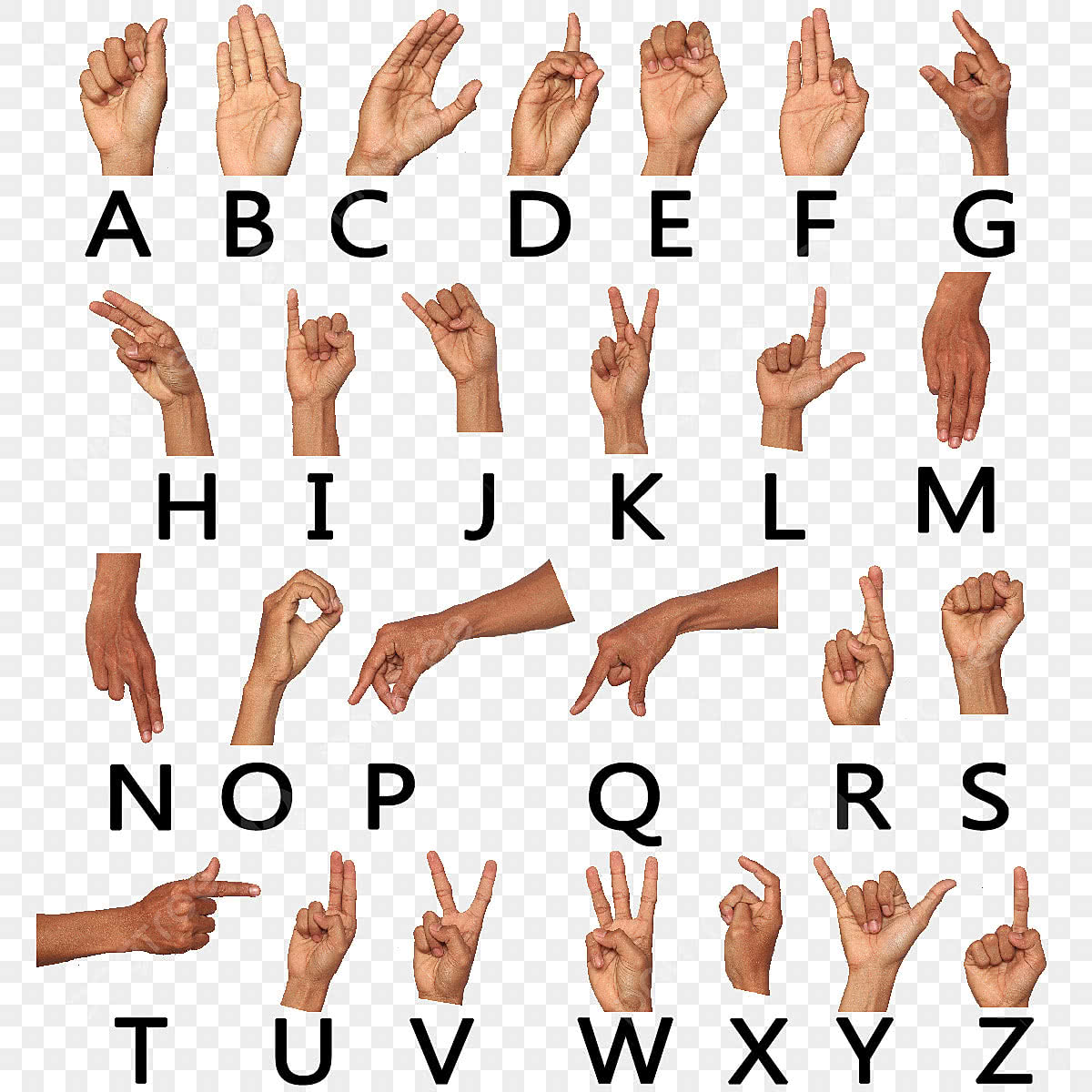
Storytelling is an art form that thrives on engagement and emotional resonance. In sign language, body language is not merely a supplementary tool but a foundational element that breathes life into narratives. By skillfully employing a range of physical cues, storytellers can transport their audience, evoke powerful emotions, and create unforgettable experiences. This section explores how to harness the full potential of body language to craft compelling signed stories.Mastering the art of storytelling in sign language involves a conscious and deliberate use of physicality to enhance the narrative.
It’s about transforming abstract concepts and events into tangible, visible experiences for the audience. This requires a deep understanding of how movements, expressions, and spatial awareness can collectively build a world, define characters, and drive the plot forward.
Exaggerated Facial Expressions and Body Movements for Dramatic Effect
To amplify the emotional impact and dramatic tension within a signed story, storytellers can employ exaggeration in their facial expressions and body movements. This heightened physicality makes emotions more palpable and actions more vivid, ensuring that the audience not only understands but also
feels* the story.
- Facial Expressions: Beyond conveying basic emotions like happiness or sadness, exaggerated expressions can depict extreme joy, profound despair, shock, or intense anger. For instance, widening eyes to their fullest extent and slightly parting the mouth can signify astonishment, while a furrowed brow, clenched jaw, and narrowed eyes can powerfully convey rage. The speed and intensity of these expressions can also signal the nuance of an emotion; a quick flash of a smile might indicate fleeting amusement, while a slow, deliberate widening of the eyes suggests dawning realization.
- Body Movements: Exaggerated body movements can illustrate the magnitude of an event or the intensity of a character’s state. A character might stomp their feet with great force to show anger, or leap and spin with unrestrained glee to express elation. For dramatic effect, a slow, deliberate rise from a seated position can signify a momentous decision, while a sudden, sharp recoil can illustrate fear or surprise.
The use of space is also crucial; a character taking large, expansive steps might represent a journey or a grand undertaking, whereas small, constricted movements could depict confinement or hesitation.
Role-Shifting to Embody Different Characters
A captivating signed story often features multiple characters, and the ability to seamlessly transition between them, or “role-shift,” is essential for clarity and engagement. Role-shifting allows the storyteller to embody each character, giving them distinct physical identities and making the narrative easy to follow.Role-shifting is achieved through a combination of subtle and pronounced physical cues. The storyteller essentially becomes a chameleon, adapting their posture, facial expressions, and even the speed and quality of their signing to reflect the personality and demeanor of each character.
This might involve:
- Postural Changes: A gruff, imposing character might adopt a wide, grounded stance with shoulders back, while a timid character might hunch their shoulders and draw inward. A regal character might hold their head high with a straight spine, whereas a weary character might slump.
- Facial Nuances: Each character can have a signature facial expression or tendency. One might habitually raise an eyebrow, another might have a perpetual slight frown, and a third might frequently smile with their eyes.
- Signing Style Variations: The speed, size, and flow of the signs can also differentiate characters. A quick-tempered character might sign rapidly and with sharp movements, while a thoughtful character might sign more slowly and deliberately, pausing to emphasize points.
- Movement Patterns: The way a character moves through space can also be distinct. One might stride confidently, another might shuffle hesitantly, and a third might dart around with nervous energy.
The transition between roles should be clear and often signaled by a slight pause or a specific preparatory movement, ensuring the audience understands who is speaking or acting.
Organizing a Sequence of Physical Actions to Visually Represent a Plot Progression
The plot of a story is essentially a sequence of events, and in sign language, these events can be visually mapped out through a carefully choreographed series of physical actions. This creates a dynamic and engaging representation of the narrative’s journey.
To effectively organize physical actions for plot progression, storytellers can consider the following:
- Establishing the Setting: The initial actions might involve creating a sense of place. This could be done through sweeping gestures that Artikel a landscape, or specific movements that depict buildings, furniture, or natural elements. For example, a circular motion with the hands can represent the sun, while a downward motion with flat hands can depict rain.
- Introducing Characters and Conflicts: Once the setting is established, characters can be introduced with their unique role-shifting. Conflicts can then be visually represented through interactions. Two characters facing each other with tense postures and sharp gestures can depict an argument. A character being pushed or cornered can visually represent oppression or danger.
- Developing the Narrative Arc: As the story progresses, the physical actions should reflect the rising action, climax, and falling action. A series of escalating movements, perhaps involving more vigorous gestures and faster pacing, can build suspense. The climax might be represented by a powerful, concentrated burst of action or a significant shift in the storyteller’s physical presence. The falling action can be shown through a gradual calming of movements and a return to more stable postures.
- Resolving the Plot: The conclusion of the story can be signaled by a return to a state of equilibrium or a final, summarizing gesture. This might involve a peaceful, settling movement or a final, definitive pose that encapsulates the story’s outcome.
The spatial relationship between the storyteller and their signing space is also critical. Actions occurring to the left might represent the past, while actions to the right could signify the future, or vice versa, depending on the established convention for the narrative.
Strategies for Using Eye Gaze to Guide Audience Attention
Eye gaze is an incredibly powerful, yet often subtle, tool in a storyteller’s arsenal. It directs the audience’s focus, highlights important details, and even conveys unspoken emotions or intentions. Effective use of eye gaze can transform a static narrative into a dynamic visual experience.
Here are key strategies for leveraging eye gaze in signed storytelling:
- Directing Focus to Specific Elements: When a particular object, character, or detail is introduced or becomes significant, the storyteller’s eye gaze should lock onto that element for a moment. This signals to the audience, “Pay attention to this.” For instance, if a character discovers a hidden treasure, the storyteller’s eyes would intensely focus on the imaginary treasure’s location before looking back at the audience or the character’s reaction.
- Indicating Dialogue Partners: In role-shifting, eye gaze is crucial for indicating who is speaking to whom. The storyteller’s eyes will shift to a specific point in space to represent the person they are addressing, even if that character is not physically present or is being “signed” by the same storyteller.
- Conveying Internal Thoughts and Emotions: A character’s internal monologue or unspoken feelings can be communicated through their eye gaze. A character looking upwards with a wistful expression might be reminiscing, while eyes darting nervously to the side can indicate fear or deception. A sudden widening of the eyes while looking directly ahead can convey realization or a sudden understanding.
- Establishing Spatial Relationships: Eye gaze can help define the spatial arrangement of characters and objects within the narrative space. Looking from one point to another can establish the distance and direction between them.
- Creating Connection with the Audience: Periodically making direct eye contact with the audience, even within the context of the story, can create a powerful sense of connection and draw them deeper into the narrative. This can be used to share a secret, solicit a reaction, or simply to reinforce the storyteller’s presence.
Using the Pace and Intensity of Body Movements to Build Suspense or Excitement
The rhythm and force of physical actions are fundamental to manipulating the audience’s emotional state, particularly in building suspense and excitement. By consciously controlling the pace and intensity of movements, storytellers can create palpable tension and exhilarating moments.
The strategic application of pace and intensity involves:
- Building Suspense: Suspense is often cultivated through a gradual increase in tension, achieved by slowing down the pace of movements and increasing their intensity. For example, a character creeping towards a dangerous situation might move with slow, deliberate, and tense steps, with muscles visibly taut. The storyteller might hold a pose for a prolonged period, with subtle, sharp glances, creating an atmosphere of anticipation and unease.
The intensity can be in the stillness – a held breath, a clenched fist that is not yet released.
- Creating Excitement: Excitement, on the other hand, is typically generated by a rapid pace and high intensity of movement. This can involve quick, energetic gestures, expansive and dynamic body movements, and a generally heightened physical presence. For instance, during a chase scene, the storyteller’s movements would be fast, fluid, and powerful, mirroring the characters’ urgency and adrenaline. Jumps, spins, and rapid hand movements can convey exhilaration and high stakes.
- Varying Pace for Dramatic Effect: The interplay between slow and fast pacing is also crucial. A sudden shift from slow, deliberate movements to rapid, frantic ones can be incredibly impactful, signaling a dramatic turn of events or a sudden surge of emotion. Conversely, a moment of high-energy excitement might be followed by a sudden, abrupt halt, creating a striking contrast and emphasizing the immediate aftermath of an event.
- Intensity of Effort: The perceived effort behind movements contributes significantly to intensity. Movements that appear to require great physical exertion, such as struggling against an unseen force or lifting a heavy object, naturally increase the drama. This can be conveyed through facial contortions, strained vocalizations (if applicable to the signing style), and visible muscle tension.
The effective manipulation of pace and intensity requires a keen awareness of the narrative’s emotional arc and the desired impact on the audience. It’s about orchestrating the body’s performance to mirror and amplify the story’s unfolding drama.
Conclusive Thoughts

In conclusion, mastering the art of using body language effectively in sign is a journey of continuous refinement. By integrating the principles of non-manual markers, emotional expression, structural organization, and clarity enhancement, signers can elevate their communication from functional to profoundly impactful. Whether for storytelling, conveying complex emotions, or simply ensuring clear understanding, the strategic application of physical cues is paramount to creating a truly engaging and resonant signed discourse.